
Mental healthcare is undergoing one of the biggest transformations in modern wellness.
For decades, receiving mental health support usually meant finding a local therapist, calling an office, waiting for an available appointment, and attending sessions in person. That traditional model remains essential, but it is no longer the only way people can access care.
Today, mental healthcare platforms are bringing therapy, psychiatric services, meditation, coaching, sleep support, and stress management directly to smartphones and computers. Companies such as Headspace, Calm, BetterHelp, Talkspace, and Spring Health have helped make digital mental health one of the fastest-growing areas of health technology.
These platforms are popular for a simple reason: they attempt to make support easier to find, more convenient to use, and less intimidating to begin.
Some focus on meditation and everyday emotional wellness. Others connect users with licensed therapists or psychiatric providers. A growing number work directly with employers, health plans, and universities to provide mental healthcare as a benefit.
The result is a rapidly expanding ecosystem built around the idea that mental health support should not begin only after someone reaches a crisis.
For readers interested in how technology is changing other parts of personal wellness, Vital Report’s article on the best smart rings of 2026 explores how wearables are increasingly tracking stress, sleep, recovery, and other signals connected to overall well-being.

Why Mental Healthcare Platforms Are Growing So Quickly
Demand for accessible mental healthcare has increased alongside greater public awareness of anxiety, depression, burnout, loneliness, sleep problems, and workplace stress.
At the same time, traditional care can be difficult to access.
Patients may encounter limited local provider availability, long waitlists, insurance complications, high out-of-pocket costs, transportation barriers, or schedules that make regular office visits difficult. Some people may also feel uncomfortable walking into a therapist’s office for the first time.
Digital platforms attempt to reduce some of that friction.
A user may be able to complete an assessment, review available services, get matched with a provider, and attend a session without leaving home. Depending on the company and the user’s location, support may be offered through video appointments, phone calls, live messaging, self-guided exercises, meditation programs, or psychiatric consultations.
Technology does not eliminate every barrier to care, but it can make the first step feel significantly more manageable.
Mental Healthcare Is Becoming a Daily Wellness Category
One reason these platforms have become so popular is that they are changing how consumers think about mental health.
In the past, therapy was often viewed primarily as something people pursued after experiencing a major problem. Digital wellness companies have helped introduce a more preventive approach.
Consumers now use mental health apps to:
- Complete short guided meditations
- Manage stress during the workday
- Practice breathing exercises
- Improve sleep routines
- Learn coping techniques
- Track their moods
- Attend virtual therapy
- Communicate with a mental health professional
- Receive coaching between difficult periods
- Develop more consistent emotional wellness habits
This shift closely mirrors what has happened throughout preventive health.
People no longer wait for a major athletic injury before thinking about recovery. They track sleep before exhaustion becomes overwhelming. They monitor fitness, nutrition, blood sugar, and cardiovascular health before receiving a diagnosis.
Mental healthcare is increasingly becoming part of that same proactive wellness mindset.
Headspace Is Expanding Beyond Meditation
Headspace became widely known for guided meditation, mindfulness programs, breathing exercises, and sleep content.
Its approachable design helped introduce meditation to people who may never have attended a traditional mindfulness class. Users could open an app, select a short session, and begin practicing within minutes.
However, Headspace has evolved beyond a meditation library.
The company now presents itself as a broader mental health platform offering a combination of mindfulness, mental health coaching, therapy, psychiatry, workplace resources, and employee assistance services through different plans and organizational partnerships.
That expansion reflects one of the largest trends in digital healthcare: platforms no longer want to address only one part of mental wellness.
Instead, they are attempting to guide people across multiple levels of support. Someone might begin with meditation, later use coaching, and eventually connect with a therapist or psychiatric provider if more structured care is appropriate.
Calm Made Relaxation and Sleep Mainstream
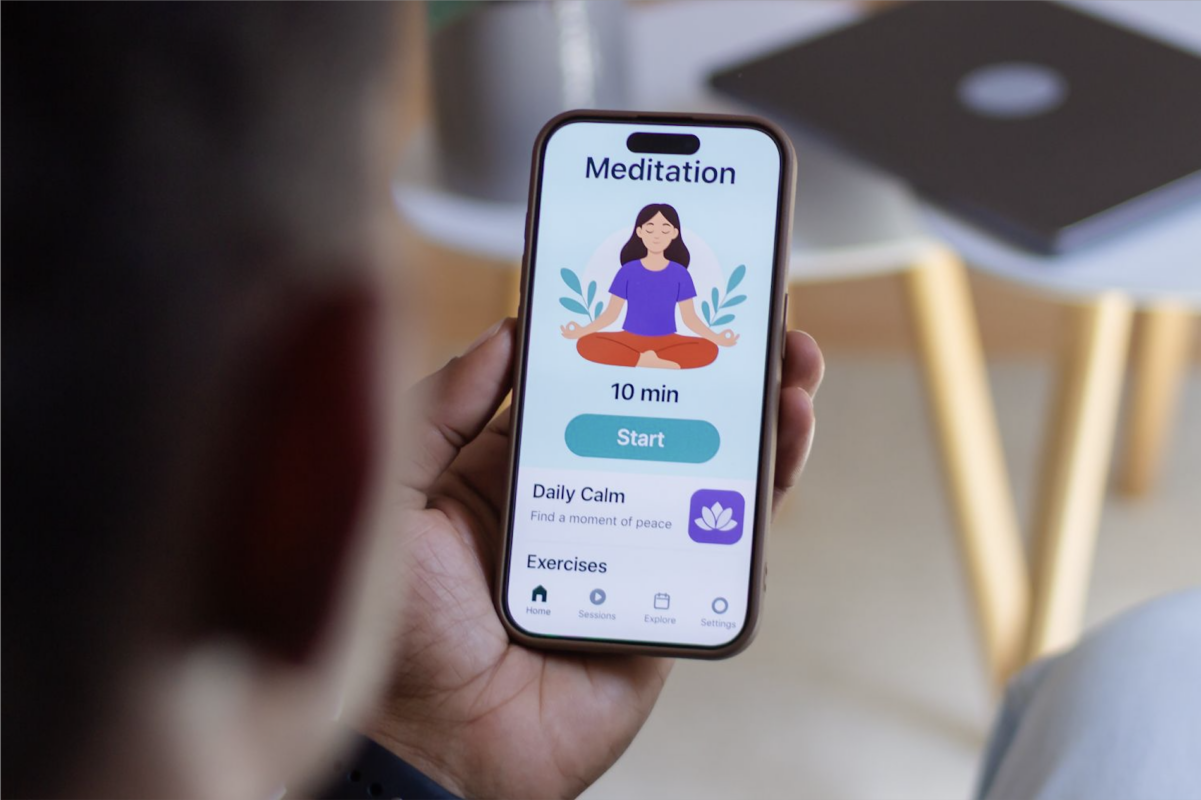
Calm has built its brand around meditation, relaxation, stress management, and sleep.
Its content includes guided meditations, soundscapes, breathing programs, music, and Sleep Stories designed to help users wind down at night. Calm says its app has reached more than 180 million downloads, illustrating the scale of consumer interest in accessible mental wellness tools.
Calm’s popularity also demonstrates how closely sleep and mental health are connected.
Stress can make it difficult to fall asleep, while poor sleep can make emotions harder to regulate the following day. By packaging meditation and sleep content together, Calm has positioned itself at the intersection of two of the largest wellness categories.
The platform may appeal to people who are not necessarily seeking formal therapy but want structured tools to help them relax, improve their nighttime routines, or create moments of calm throughout the day.
BetterHelp Helped Bring Online Therapy Into the Mainstream
While Headspace and Calm initially became known for self-guided content, BetterHelp built its name around online access to licensed therapists.
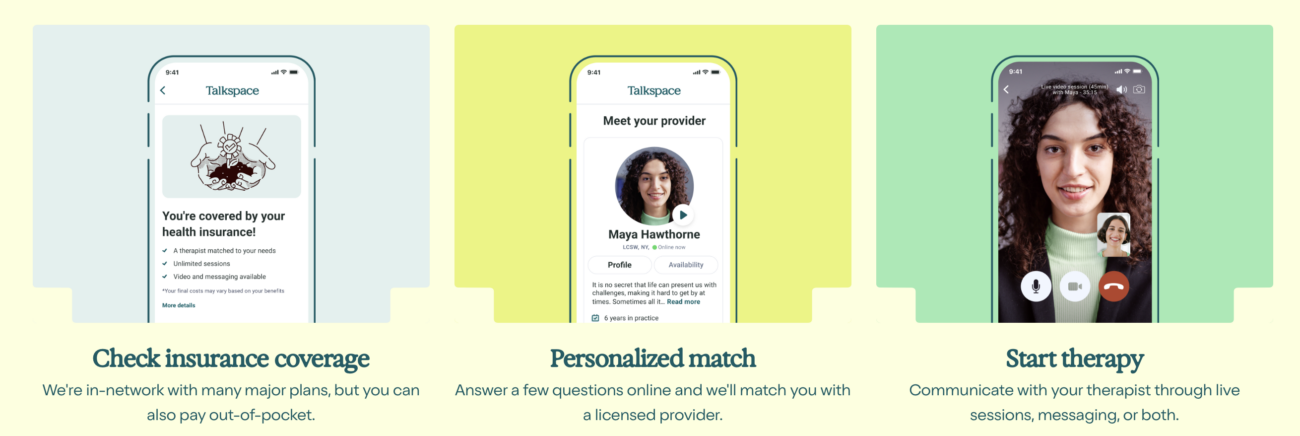
Users generally complete an intake questionnaire and are matched with a therapist based on their needs, preferences, and availability. Communication options may include video sessions, phone calls, live chat, and messaging, depending on the plan and provider.
BetterHelp says its network includes more than 30,000 therapists, making it one of the most recognizable names in online counseling.
The platform’s growth shows why convenience has become such an important part of mental healthcare.
A parent may find it easier to schedule a virtual session after their children go to sleep. A student may feel more comfortable speaking from their room. Someone living in an area with limited local options may gain access to a much broader provider network.
However, consumers should still review pricing, therapist qualifications, privacy policies, cancellation rules, communication expectations, and whether a platform accepts their insurance before signing up.
BetterHelp has also faced regulatory scrutiny related to historical handling of sensitive user data. That history is an important reminder that privacy deserves particular attention when using any digital mental health platform.
Talkspace Combines Therapy and Psychiatry
Talkspace is another major virtual mental healthcare company.
The platform offers online therapy and psychiatric care, including medication evaluation and management where legally and clinically appropriate. It also works with employers and insurance plans, helping some users access care through existing benefits rather than paying entirely out of pocket.
Talkspace helped popularize the idea that therapy does not always need to occur exclusively during a single scheduled office appointment.
Some plans allow users to communicate through messaging in addition to live sessions. That may help people write down thoughts as they arise or maintain a greater sense of continuity between appointments.
Virtual psychiatry is also becoming increasingly important.
In many parts of the country, finding an available psychiatric provider can be even more difficult than finding a therapist. Platforms that combine therapy with psychiatric services are attempting to create a more connected experience for individuals who may need both counseling and medication management.
Spring Health Is Transforming Workplace Mental Health Benefits
Spring Health represents another major part of the mental health technology industry: employer-sponsored care.
Rather than focusing primarily on individual consumer subscriptions, Spring Health works with organizations to provide employees with access to services such as self-guided tools, coaching, therapy, medication management, and specialty care.
This model has become popular as companies recognize that mental health can influence absenteeism, productivity, retention, job satisfaction, and overall workplace culture.
Traditional employee assistance programs have sometimes suffered from low awareness or confusing access. Newer mental health platforms are attempting to make benefits more visible, personalized, and easier to navigate.
An employee may begin with a digital assessment, receive recommendations based on their needs, and then schedule the appropriate level of support.
The workplace mental health market is also becoming more competitive and consolidated as platforms expand their provider networks, artificial intelligence capabilities, and range of services.
Artificial Intelligence Is Entering Mental Healthcare
Artificial intelligence is becoming one of the most closely watched developments in mental health technology.
Platforms are beginning to use AI for care navigation, appointment matching, administrative support, progress tracking, personalized exercises, symptom check-ins, and conversational tools.
The potential advantage is greater personalization at scale.
Instead of presenting every user with the same meditation library or general wellness plan, technology may help recommend resources based on sleep patterns, reported symptoms, personal goals, previous engagement, and changes over time.
However, AI also creates serious questions.
Mental health information is deeply sensitive. Platforms must consider how data is collected, stored, analyzed, and shared. AI-generated guidance can also be inaccurate, overly confident, or inappropriate for someone with a serious condition.
For those reasons, artificial intelligence should not be treated as a universal replacement for licensed mental health professionals.
Its most responsible role may be supporting clinicians and helping users navigate care rather than independently diagnosing conditions or managing emergencies.
Are Mental Health Apps Effective?
The answer depends heavily on the platform, the condition being addressed, the quality of the program, and the individual using it.
A guided meditation app is not the same as psychotherapy. A self-directed breathing exercise is not the same as psychiatric treatment. Messaging with a licensed therapist is different from speaking with an automated chatbot.
Some users may benefit from digital tools for stress reduction, mindfulness, sleep support, habit building, or mild symptoms. Others may need structured therapy, medication, in-person care, or a higher level of clinical support.
Online therapy can be a meaningful option for many people, particularly when it expands access to qualified professionals. Research and clinical experience increasingly suggest that virtual therapy can be effective for certain conditions and populations, although it is not the right format for every person or situation.
The most important question is not whether all mental health technology works.
It is whether a specific service is appropriate, evidence-based, secure, and matched to the user’s needs.
The Benefits of Digital Mental Healthcare
Mental healthcare platforms can provide several meaningful advantages.
Greater Convenience
Users can often attend sessions or access exercises from home, work, or another private location.
Faster Access
Some services may offer appointments more quickly than traditional local provider searches, although wait times still vary.
More Provider Options
Virtual platforms can help users connect with professionals outside their immediate geographic area, subject to licensing rules.
Flexible Formats
Video, phone, messaging, meditation, coaching, and self-guided programs allow people to engage in different ways.
Reduced Stigma
Beginning with an app may feel less intimidating for someone who is nervous about seeking help.
Employer and Insurance Integration
Some platforms work directly with employers and health plans, potentially reducing costs for eligible users.
The Risks and Limitations
The growth of mental health technology does not mean every platform is equally effective or appropriate.
Consumers should consider several important limitations.
Privacy and Data Security
Mental health platforms may collect highly personal information, including symptoms, therapy topics, medications, questionnaires, and communication records.
Users should review privacy policies and understand whether their data may be used for analytics, advertising, product development, or other purposes.
Quality Can Vary
Provider experience, communication style, availability, and platform design can differ substantially.
A poor match with one therapist does not necessarily mean therapy itself will not help, but switching providers may require additional time and effort.
Subscription Costs Can Add Up
Some mental wellness apps and therapy platforms use recurring subscription models. A service that initially appears inexpensive may become costly over months of continued use.
Not Appropriate for Every Situation
Apps and routine virtual appointments may not be sufficient for severe symptoms, medical emergencies, active suicidal thoughts, psychosis, or situations requiring immediate intervention.
Technology Can Feel Impersonal
Some people prefer the connection, structure, and privacy of meeting a clinician face to face.
How to Choose a Mental Healthcare Platform
Before signing up, users should ask several questions:
- Does the service offer therapy, coaching, meditation, psychiatry, or a combination?
- Are providers licensed in the user’s state?
- Does the platform accept insurance?
- What is included in the subscription?
- How frequently can the user communicate with a provider?
- Can the user change therapists?
- How is personal data stored and protected?
- Is the platform appropriate for the user’s symptoms?
- What happens during a mental health emergency?
- Can subscriptions be canceled easily?
The best platform is not necessarily the one with the most features.
It is the one that provides the right type of support, from qualified professionals, in a format the individual can realistically continue using.
The Future of Mental Health Technology
The future of mental healthcare will likely combine digital convenience with human expertise.
Consumers may increasingly use one platform for meditation, coaching, therapy, medication management, and progress tracking. Employers and insurers may continue expanding digital benefits, while healthcare systems integrate virtual mental health more directly into primary care.
Wearable data may also play a larger role.
Sleep changes, resting heart rate, activity patterns, and stress measurements cannot diagnose mental illness on their own, but they may help individuals recognize changes in their routines and begin conversations with healthcare professionals earlier.
The industry’s greatest opportunity is not simply putting traditional therapy on a screen.
It is building a more connected system where people can access the appropriate level of support before their mental health reaches a crisis point.
Frequently Asked Questions
What are mental healthcare platforms?
Mental healthcare platforms are digital services that may provide therapy, psychiatric care, coaching, meditation, stress management tools, sleep content, or employee mental health benefits through websites and mobile apps.
Are online therapists licensed?
Reputable online therapy platforms generally work with licensed professionals, but users should verify a provider’s credentials, licensing location, and areas of expertise before beginning treatment.
What is the difference between a mental health app and online therapy?
Mental health apps may offer self-guided meditation, breathing, journaling, or educational content. Online therapy involves working directly with a licensed mental health professional.
Does insurance cover virtual therapy?
Some platforms accept insurance or are available through employer benefits, while others operate through private subscriptions. Coverage depends on the company, provider, location, and individual health plan.
Are meditation apps a replacement for therapy?
No. Meditation apps may help with relaxation, sleep, mindfulness, or everyday stress, but they are not substitutes for professional assessment and treatment when clinical care is needed.
Are mental health platforms private?
Privacy practices vary. Users should carefully review how a platform collects, protects, and shares health information before creating an account.
Which mental healthcare platform is best?
The right choice depends on whether someone needs meditation, therapy, psychiatry, coaching, insurance coverage, workplace benefits, or a combination of services.
Final Thoughts
The rise of mental healthcare platforms reflects a major change in how people approach emotional wellness.
Companies like Headspace and Calm have made mindfulness, meditation, and sleep support part of everyday routines. BetterHelp and Talkspace have helped normalize virtual therapy. Spring Health and similar platforms are turning mental healthcare into a more visible workplace benefit.
These companies cannot solve every challenge facing the mental healthcare system. Questions around privacy, affordability, provider quality, artificial intelligence, and appropriate clinical oversight remain critical.
However, their popularity demonstrates that consumers want mental healthcare that is easier to access, more flexible, and better integrated into daily life.
The next phase of the industry will be defined not simply by how many people download an app, but by whether platforms can deliver trustworthy, secure, evidence-based support that leads to meaningful improvements in people’s lives.