

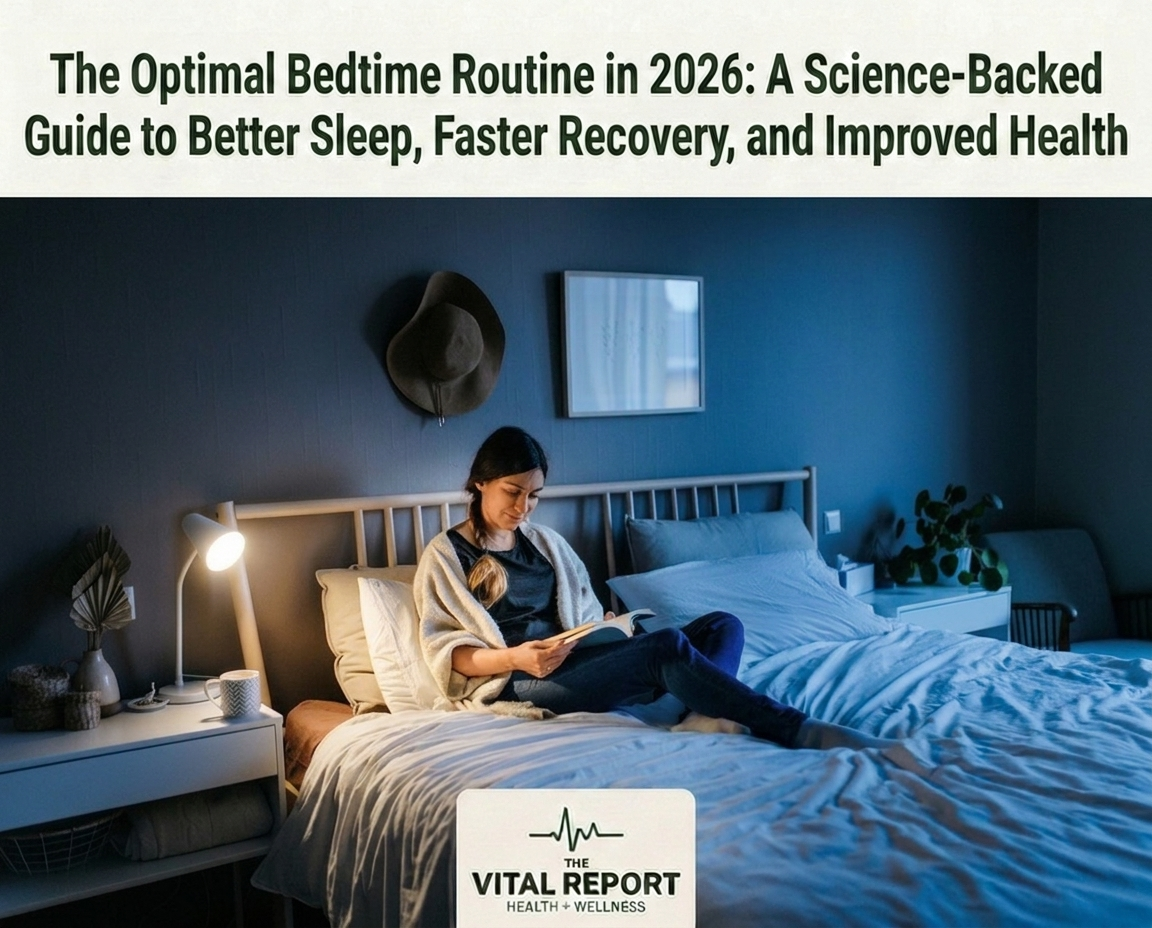
Sleep has become one of the biggest pillars of modern wellness. While nutrition and exercise continue to dominate health conversations, experts increasingly agree that neither can reach its full potential without quality sleep. Whether your goal is improving athletic performance, boosting productivity, supporting mental health, or simply feeling more energized each morning, your bedtime routine may be one of the most important habits you can optimize.
The good news is that better sleep isn’t just about spending eight hours in bed. The 60 to 90 minutes before you fall asleep have an enormous impact on how quickly you drift off, how much deep sleep and REM sleep you get, and how recovered you feel the next day.
Professional athletes, longevity researchers, physicians, and sleep scientists are increasingly treating sleep like a performance tool rather than simply a necessity. Here’s how to build a bedtime routine that helps your body do what it was designed to do.
Why Your Bedtime Routine Matters
Your body operates on an internal clock known as the circadian rhythm. This system helps regulate hormone production, body temperature, alertness, and sleep.
As evening approaches, melatonin levels naturally rise while your core body temperature gradually falls. These changes signal that it’s time to sleep.
Unfortunately, many modern habits work against this natural process. Bright lights, late-night scrolling, stressful work, alcohol, and inconsistent bedtimes all confuse your body’s internal clock and make quality sleep harder to achieve.
Instead of focusing only on how many hours you sleep, it’s worth paying equal attention to how you prepare your body for sleep.
Step 1: Dim the Lights an Hour Before Bed
One of the easiest ways to improve sleep is by reducing light exposure before bedtime.
Bright overhead lighting and prolonged screen use can delay melatonin production, making it harder to fall asleep naturally.
Rather than keeping every light in the house on until bedtime, begin dimming lights 60 to 90 minutes beforehand. Warm lighting creates a stronger signal that nighttime has arrived.
Many people automate this process using smart lighting systems like Philips Hue, which can gradually dim and shift to warmer colors throughout the evening. Others use blue-light filtering glasses from companies like Bon Charge if screen time is unavoidable.
While features like Night Shift on smartphones can help, lowering the overall brightness of your environment often has an even greater impact.
Step 2: Keep Your Bedroom Cool
Temperature plays a surprisingly important role in sleep quality.
Your body naturally cools as you prepare for sleep, and keeping your bedroom between approximately 60–67°F (15–19°C) helps support that process.
Some people achieve this by lowering the thermostat, using breathable bedding, or taking a warm shower before bed, which can actually encourage the body’s core temperature to drop afterward.
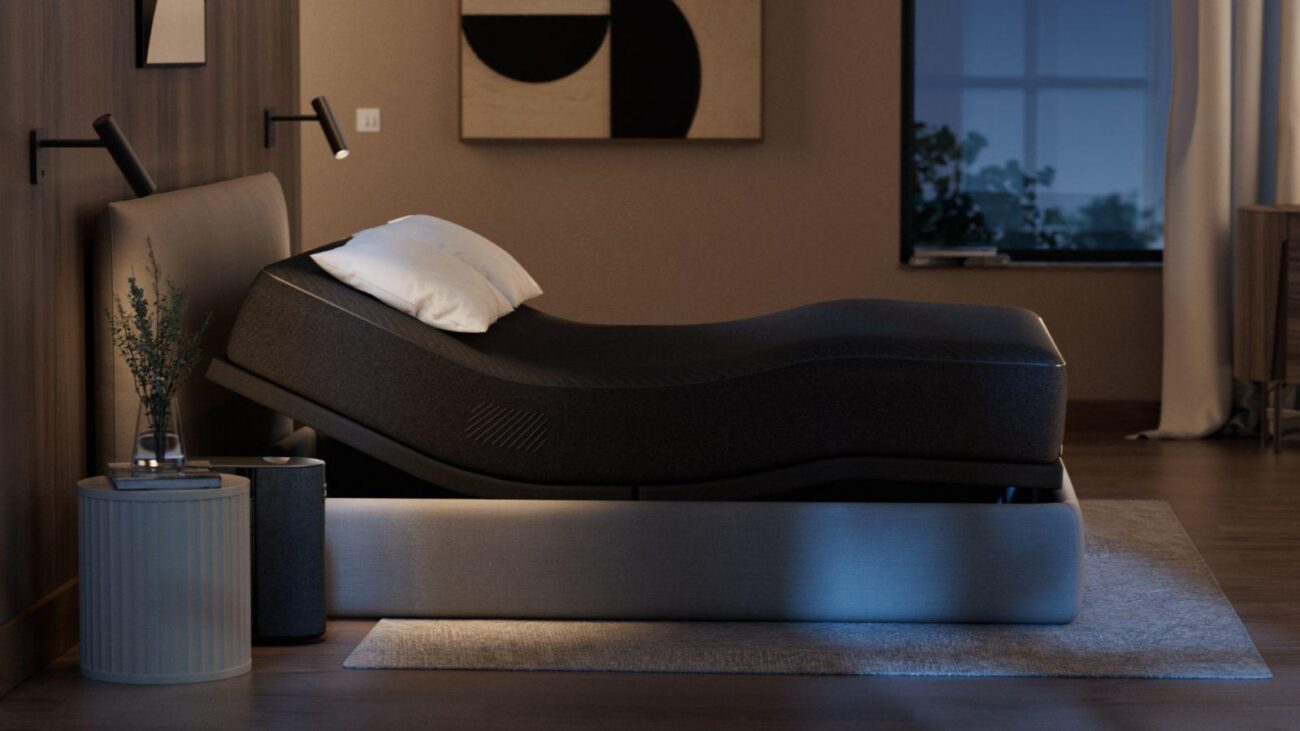
If you’d like to learn more about the technology behind temperature-controlled sleep, check out Vital Report’s article on how Eight Sleep is changing the sleep game:
Step 3: Avoid Heavy Meals and Alcohol Late at Night
Nutrition doesn’t stop affecting your body after dinner.
Large meals immediately before bed can make digestion more difficult and increase nighttime discomfort, while alcohol—despite making some people feel sleepy—often reduces sleep quality by disrupting REM sleep later in the night.
It’s also wise to avoid caffeine in the late afternoon or evening if you’re sensitive to its effects.
If you’re hungry before bed, consider lighter options like:
- Greek yogurt
- Kiwi
- Tart cherry juice
- A small handful of nuts
- Herbal tea
These foods are less likely to interfere with digestion while supporting a relaxing evening routine.

Step 4: Let Wearables Teach You How You Sleep
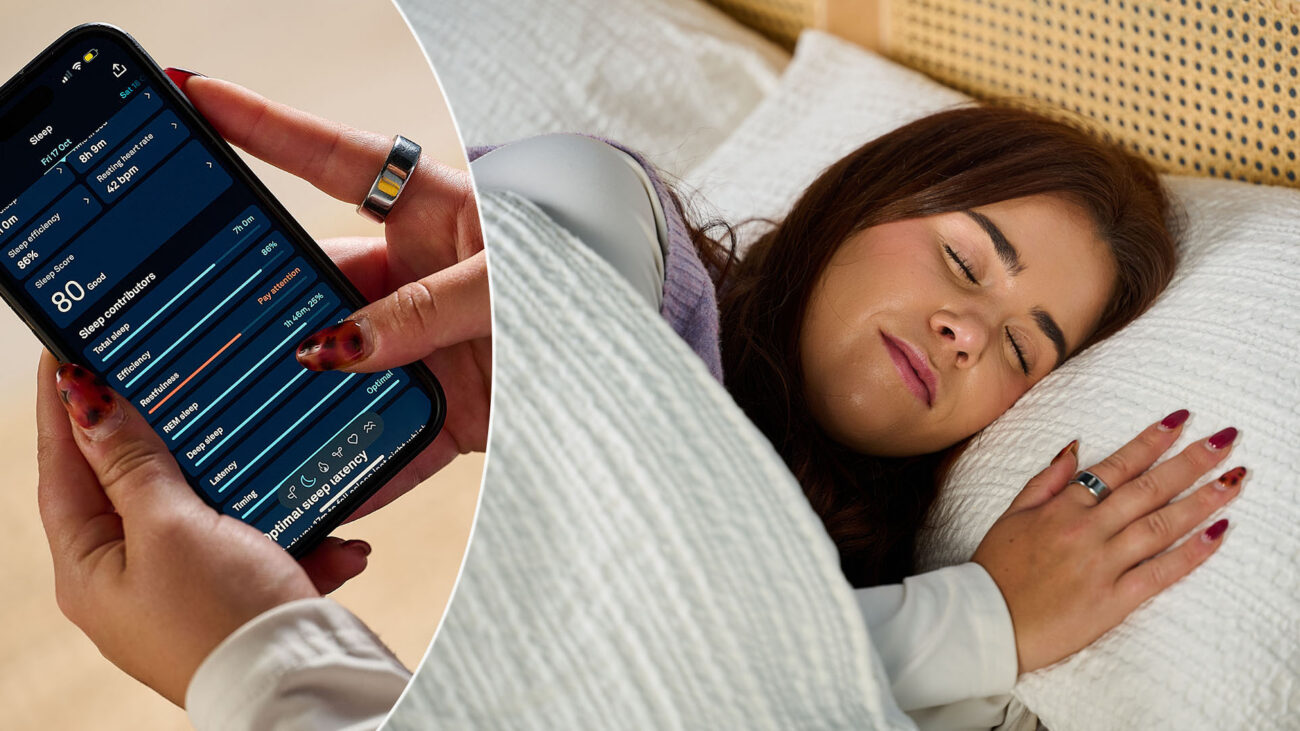
One of the biggest changes in sleep optimization over the past decade has been the rise of wearable technology.
Many people assume they’re sleeping well until they begin tracking metrics like:
- Sleep stages
- Heart rate variability (HRV)
- Resting heart rate
- Respiratory rate
- Skin temperature
- Recovery scores
Devices from Oura, WHOOP, Garmin, Apple, and Samsung can provide valuable insights into how lifestyle choices affect recovery over time.
Rather than obsessing over a single night’s score, these devices are most useful for identifying long-term patterns.
Check out our article on smart rings for a detailed comparison of today’s leading wearable devices.
Step 5: Give Your Brain Time to Slow Down
Your body isn’t the only thing preparing for sleep—your mind needs time to transition as well.
Jumping directly from work emails or social media into bed keeps many people mentally stimulated long after the lights go out.
Instead, build a relaxing wind-down routine.
Some effective options include:
- Reading a physical book
- Journaling
- Gentle stretching
- Breathwork
- Meditation
- Listening to calming music
Apps like Calm and Headspace have become popular tools for guided sleep meditations, breathing exercises, and relaxing bedtime audio designed to help users unwind.
Consistency matters more than perfection. Even spending 10 to 15 minutes winding down can help create a strong mental association between your routine and sleep.
Step 6: Go to Bed at the Same Time Every Night
Sleep experts consistently recommend maintaining a regular sleep schedule.
Going to bed at midnight during the week and 3 a.m. on weekends makes it difficult for your circadian rhythm to stay synchronized.
Instead, try to keep both your bedtime and wake-up time within about an hour of your normal schedule—even on weekends.
This consistency helps improve sleep quality over time and often makes waking up feel more natural.
Should You Take Sleep Supplements?
Supplements can help some individuals, but they shouldn’t replace healthy sleep habits.
Several supplements have been studied for their potential role in supporting sleep, including:
- Magnesium glycinate
- Glycine
- L-theanine
- Apigenin
- Melatonin (primarily for short-term use or jet lag)
If you’re considering supplements, it’s a good idea to discuss them with your healthcare provider, especially if you’re taking medications or have underlying health conditions.
Common Bedtime Mistakes
Even healthy people sometimes sabotage their sleep without realizing it.
Common mistakes include:
- Scrolling social media in bed
- Working on a laptop late into the evening
- Drinking alcohol as a sleep aid
- Exercising intensely right before bedtime
- Sleeping in several hours on weekends
- Keeping the bedroom too warm
- Checking the clock repeatedly during the night
Small adjustments to these habits can often produce noticeable improvements in sleep quality.
Why Sleep Has Become the Foundation of Wellness
Sleep is no longer viewed as simply a period of rest.
It’s now recognized as one of the most important drivers of physical recovery, cognitive performance, emotional resilience, immune function, metabolic health, and healthy aging.
As wearable technology becomes more sophisticated and sleep science continues to evolve, more people are treating sleep with the same level of attention they once reserved for workouts and nutrition.
The best bedtime routine isn’t complicated. It’s consistent.
By dimming lights, keeping your bedroom cool, avoiding heavy meals late at night, establishing a relaxing wind-down routine, maintaining a regular sleep schedule, and using wearable technology to better understand your body, you can dramatically improve both your sleep quality and how you feel throughout the day.
Quality sleep isn’t a luxury.
It’s one of the strongest investments you can make in your long-term health.
Frequently Asked Questions
What is the best bedtime routine?
A strong bedtime routine includes dimming lights, reducing screen exposure, keeping your bedroom cool, avoiding heavy meals and alcohol before bed, relaxing with activities like reading or meditation, and maintaining a consistent sleep schedule.
What temperature is best for sleeping?
Most sleep experts recommend a bedroom temperature between 60°F and 67°F (15–19°C), though personal preferences vary.
Are sleep trackers accurate?
Consumer sleep trackers are generally best for identifying trends over time rather than providing perfect measurements. They can be valuable tools for improving habits and monitoring recovery.
Does alcohol help you sleep?
Alcohol may make you feel sleepy initially, but it often disrupts REM sleep and overall sleep quality later in the night.
How long before bed should I stop using my phone?
Reducing bright screen exposure 60–90 minutes before bedtime may help support your body’s natural melatonin production and improve sleep quality.