
For years, Apple has been steadily turning the iPhone and Apple Watch into health-monitoring devices.
Now the company is taking a significant step beyond simply tracking health data.
Apple is entering the direct-to-consumer blood testing market through a new partnership with Quest Diagnostics that will allow U.S. users to purchase laboratory testing directly through the Apple Health app.
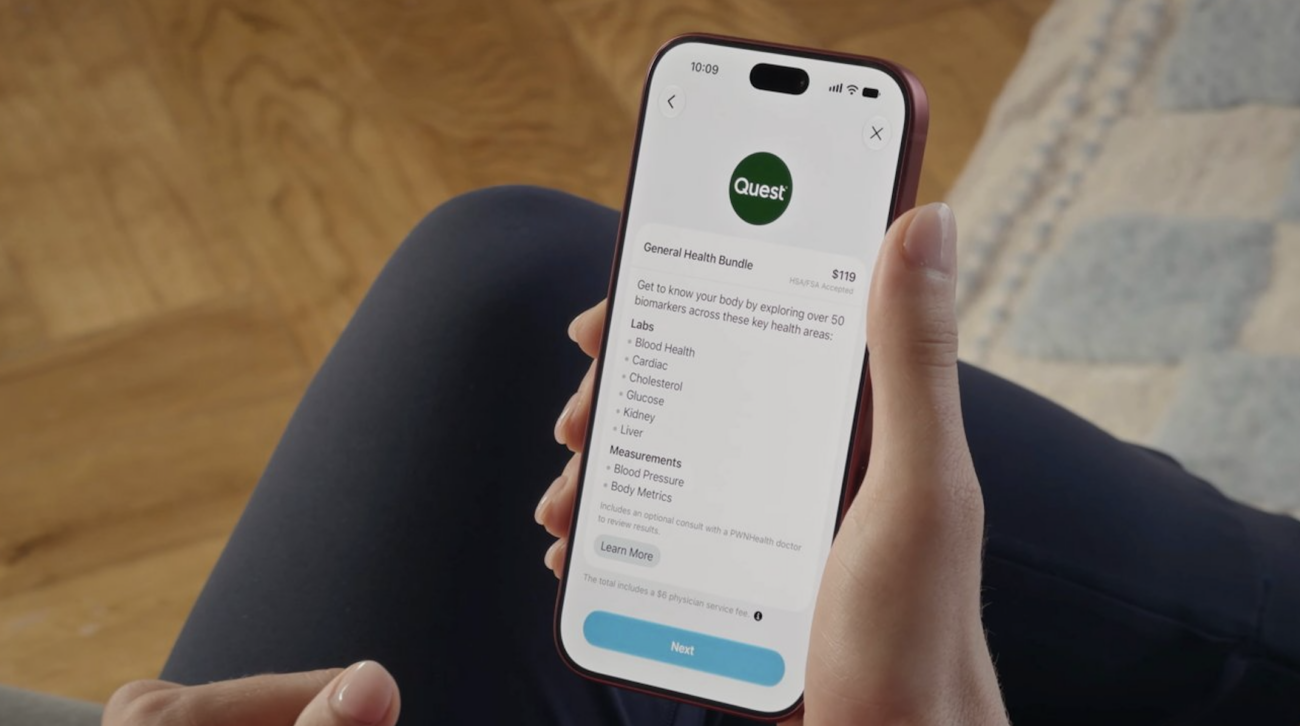
The new capability, expected to launch later in 2026, will let users purchase a $119 laboratory panel covering more than 50 biomarkers and schedule testing at approximately 2,000 Quest Diagnostics locations across the United States.
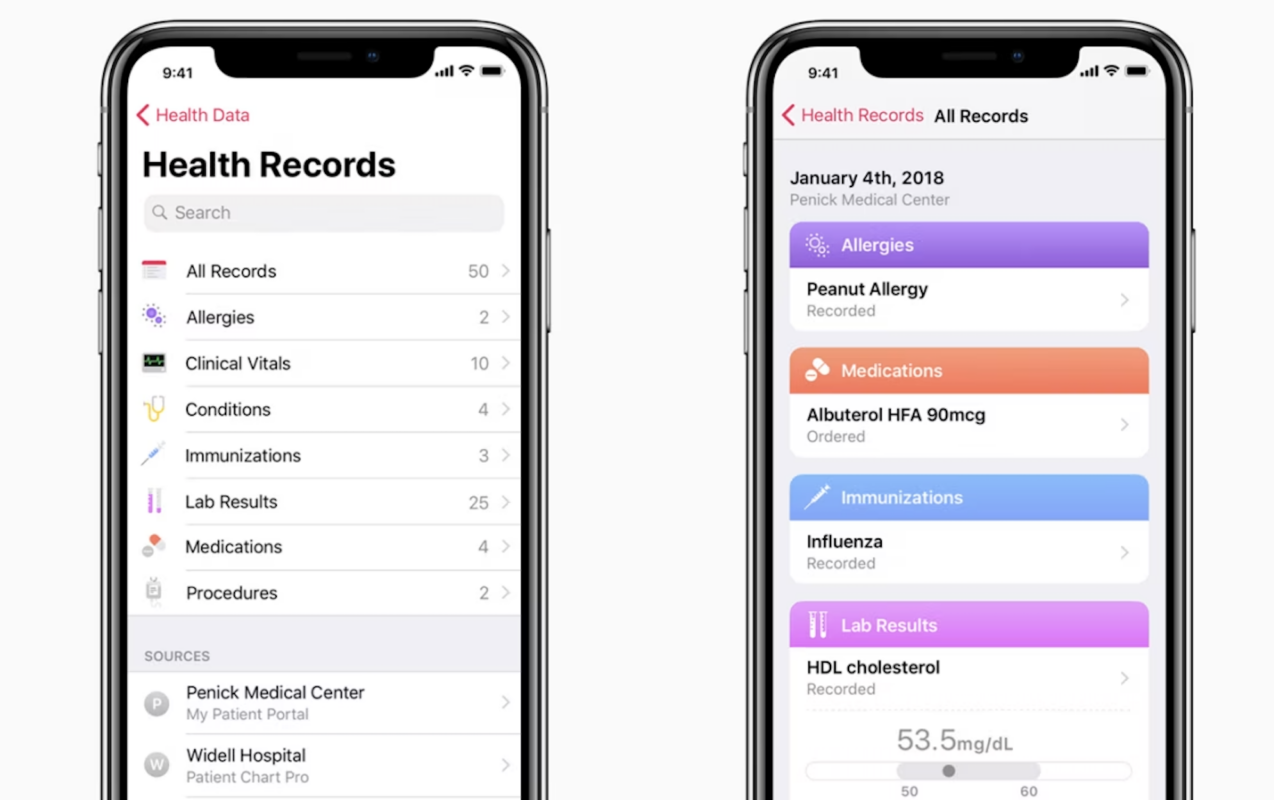
Results will then flow back into Apple Health, where users will be able to view their laboratory data alongside information already collected from their iPhone, Apple Watch and connected health records.
It sounds like a relatively straightforward integration.
But strategically, it could represent something much larger.
Apple Health is beginning to evolve from a place where health information is stored into a platform where consumers can actively access healthcare services.
And blood testing may be one of the clearest examples yet of where Apple wants that platform to go.
What Apple and Quest Diagnostics Are Launching
Apple announced the new laboratory functionality as part of a broader expansion of the Health app.
Currently, Apple Health can already collect and display a large amount of health information.
Depending on the devices and services a person uses, that can include heart rate, resting heart rate, sleep, respiratory rate, activity, workouts, medications, hearing data, menstrual-cycle information and clinical health records.
Lab results can also already be imported into the app.
The important difference with the Quest partnership is that Apple is moving upstream.
Instead of simply receiving health information generated somewhere else, users will be able to initiate testing from inside Apple Health itself.
According to Apple’s announcement, users will be able to schedule and purchase a Quest lab panel measuring more than 50 biomarkers for $119 directly through the Health app.
Testing will take place at roughly 2,000 Quest Diagnostics locations around the country.
Quest similarly says the experience is designed to allow users to purchase testing and receive their results within the Apple Health ecosystem.
That creates a remarkably simple consumer journey:
More Than 50 Biomarkers for $119
Price may be one of the most important parts of Apple’s strategy.
The upcoming Quest panel will cost $119 and include more than 50 biomarkers.
That’s a relatively accessible entry point into a consumer laboratory-testing market that has increasingly moved toward larger, more expensive panels and recurring memberships.
The broader direct-to-consumer testing industry has expanded substantially in recent years.
Consumers can already purchase many common tests without navigating the traditional process of scheduling a doctor’s appointment and waiting for a physician to order bloodwork.
Labcorp OnDemand, for example, allows consumers to purchase tests ranging from cholesterol and vitamin D panels to broader wellness testing. Its Advanced Health Panel measures more than 65 markers, while other individual tests can be purchased separately.
Quest itself has also been building its consumer-testing business through Quest Health.
Apple’s advantage isn’t that it invented consumer blood testing.
It’s distribution.
Hundreds of millions of people already interact with Apple’s ecosystem, and many Apple Watch owners are already accustomed to opening their devices to check heart rate, workouts, sleep and other health metrics.
Apple doesn’t need to convince those consumers to download an entirely new health platform.
It can bring laboratory testing into a platform they’re already using.
Apple Is Connecting Biomarkers With Wearable Data
The more interesting part of the partnership may be what happens after the blood draw.
Traditional blood testing provides a snapshot.
You visit a laboratory, blood is collected, results appear later and those numbers are typically reviewed independently of the enormous amount of health information your wearable may have collected.
Apple has an opportunity to connect those worlds.
Imagine having laboratory measurements related to cholesterol, glucose, metabolic health and other areas displayed alongside months or years of information about:
- Sleep
- Resting heart rate
- Activity
- Exercise
- Cardiorespiratory fitness
- Heart-rate trends
- Body measurements
- Medications
- Menstrual-cycle information
- Other clinical records
That combination potentially makes Apple Health more valuable than either dataset on its own.
A blood test tells you what was happening biologically at one moment.
A wearable can collect information every day.
Put them together, and Apple can begin building a much more longitudinal picture of health.
Apple Isn’t Just Showing the Numbers
There’s another important component to Apple’s strategy: interpretation.
More health data isn’t automatically more useful health data.
A consumer opening a laboratory report can quickly encounter dozens of measurements, reference ranges and abbreviations without necessarily understanding which ones matter.
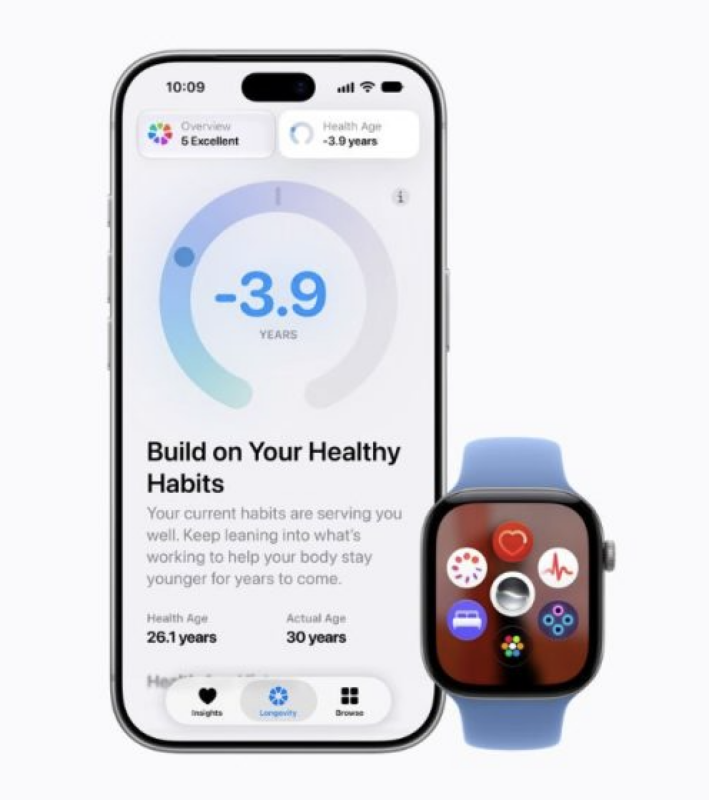
Apple says its redesigned Health app will include personalized educational content that helps users understand their information.
For example, after receiving lab results, someone could be shown an explanation from an Apple Health clinical expert about LDL cholesterol, why it matters and potential steps they could discuss or consider.
That distinction matters.
The next phase of consumer health technology isn’t simply going to be about collecting more information.
It’s going to be about translating that information into something people can understand.
The Rise of the Consumer Biomarker Economy
Apple is entering a market that wellness companies have spent the past several years building.
Bloodwork used to feel primarily like something that happened because a physician ordered it.
That model is changing.
Consumers are increasingly purchasing testing themselves to understand areas such as cardiovascular health, metabolic health, hormones, nutrition, inflammation and longevity.
One of the most visible companies behind this shift has been Function Health.
Function has built its product around comprehensive, recurring biomarker testing. Its membership includes more than 100 biomarkers in initial testing, followed by additional testing later in the year, with results tracked longitudinally.
Interestingly, Function also uses Quest Diagnostics locations for much of its testing.
That means Quest is effectively becoming infrastructure for multiple versions of the consumer-health movement.
Function provides a dedicated preventive-health platform built around extensive testing.
Apple is approaching the same opportunity from the opposite direction.
It already owns the platform.
Now it is adding the testing.
Apple vs. Function Health vs. Labcorp OnDemand
The three approaches illustrate where consumer diagnostics may be heading.
Apple Health + Quest:
A relatively affordable panel of 50+ biomarkers integrated directly into an enormous consumer health ecosystem.
Function Health:
A more comprehensive membership model centered around repeated testing, deeper biomarker coverage and longitudinal interpretation.
Labcorp OnDemand:
A marketplace-style approach where consumers can purchase individual tests and health panels directly.
These aren’t necessarily identical products.
But they’re competing for the same increasingly important behavior:
Consumers choosing to measure their health before a doctor explicitly tells them to.
That’s a meaningful shift in healthcare.
Apple Health Is Becoming More Than a Dashboard
This is where the Quest partnership becomes particularly important for Apple’s broader health ambitions.
Historically, Apple Health has functioned primarily as an aggregator.
Other devices and healthcare systems generate information.
Apple organizes it.
But the company has gradually expanded what users can do with that information.
Apple Watch can identify certain health patterns. Health Records can pull clinical information into the app. Medications can be logged and tracked. Sleep and fitness data can be monitored longitudinally.
Ordering bloodwork represents another step.
Apple Health is beginning to become an interface between consumers and the healthcare system itself.
The distinction is subtle but significant.
Old Apple Health: "Here is your health data."
New Apple Health: "Here is your health data — and here are services you can use to generate more of it."
That opens up a much larger opportunity.
Preventive Health Is Becoming a Consumer Technology Category
The Apple-Quest partnership also fits into a larger transformation happening across health and wellness.
Wearables helped normalize continuous health tracking.
Now consumers are moving toward more clinical forms of measurement.
Blood biomarkers are one piece.
Advanced imaging is another.
As Vital Report recently covered, Neko Health is opening its first U.S. clinic in New York City, bringing its technology-heavy preventive health scan to American consumers.
Neko combines blood biomarkers with cardiovascular measurements, skin imaging, body composition and other health information.
Companies such as Function Health are making broad biomarker panels more accessible.