


Mental health has become one of the defining healthcare challenges of the 21st century. Depression, anxiety, and other mood disorders affect hundreds of millions of people worldwide, yet many patients still struggle to find treatments that provide lasting relief. While traditional antidepressants have helped countless individuals, they often require weeks to take effect, don’t work for everyone, and can come with unwanted side effects.
As researchers search for better solutions, one area of medicine has rapidly moved from scientific curiosity to one of the most closely watched fields in biotechnology: psychedelic-inspired therapies.
That momentum reached another milestone when Eli Lilly announced its acquisition of AtaiBeckley, a biotechnology company developing innovative treatments for treatment-resistant depression. The deal, valued at up to $3.8 billion, highlights growing confidence that the next generation of mental health therapies could fundamentally change how depression is treated.
For years, psychedelic medicine existed largely on the fringes of healthcare. Today, some of the world’s largest pharmaceutical companies are investing billions of dollars into the field, suggesting that these therapies may soon become part of mainstream medicine.
What Is AtaiBeckley?
AtaiBeckley is a clinical-stage biotechnology company focused on developing rapid-acting treatments for serious mental health conditions.
Its lead program, BPL-003, is an investigational intranasal therapy based on 5-MeO-DMT, a psychedelic compound that researchers are studying for its potential to rapidly reduce symptoms of treatment-resistant depression.
Unlike many traditional antidepressants, which often require daily use over several weeks before benefits become noticeable, psychedelic-inspired therapies are being developed with the goal of producing meaningful improvements after only one or a small number of supervised treatment sessions.
While research is still ongoing, early clinical studies have generated significant interest among researchers and investors alike.
For Eli Lilly, acquiring AtaiBeckley represents an opportunity to strengthen its neuroscience pipeline while positioning itself at the forefront of one of medicine’s fastest-evolving fields.
Why Eli Lilly Made the Acquisition
Eli Lilly has long been recognized as one of the pharmaceutical industry’s leaders in neuroscience, diabetes, obesity, and immunology.
The company’s recent success with obesity treatments has generated significant resources that can now be invested into future therapeutic areas.
Mental health represents one of the largest unmet needs in medicine.
Millions of people living with treatment-resistant depression have already tried multiple antidepressants without achieving meaningful improvement.
These patients often experience years of persistent symptoms despite medication, psychotherapy, and lifestyle interventions.
By acquiring AtaiBeckley, Lilly gains access to an innovative treatment platform that could eventually expand treatment options for these patients while strengthening its long-term neuroscience strategy.
The acquisition also demonstrates increasing confidence that psychedelic-inspired medicines may become commercially viable over the coming decade.
Why Treatment-Resistant Depression Matters
Depression is one of the leading causes of disability worldwide.
Although selective serotonin reuptake inhibitors (SSRIs) and other antidepressants have transformed mental healthcare, they do not work equally well for everyone.
Treatment-resistant depression generally refers to patients who have not experienced sufficient improvement after trying multiple standard antidepressant therapies.
These individuals often face higher risks of hospitalization, reduced quality of life, unemployment, and suicide.
Because existing options remain limited, researchers have spent years exploring entirely new approaches to treating depression.
This search has helped revive scientific interest in psychedelic compounds that were largely abandoned decades ago due to legal restrictions and limited research opportunities.
A New Generation of Psychedelic Medicine
The modern psychedelic medicine movement differs dramatically from the counterculture associations many people still have.
Today’s research focuses on highly controlled clinical settings, carefully measured pharmaceutical-grade compounds, trained medical professionals, and rigorous scientific evaluation.
Companies are no longer promoting recreational psychedelic use.
Instead, they’re developing standardized therapies capable of meeting regulatory approval through large clinical trials.
Among the compounds attracting the greatest attention are:
- Psilocybin
- MDMA
- Ketamine
- 5-MeO-DMT
- LSD-derived therapies
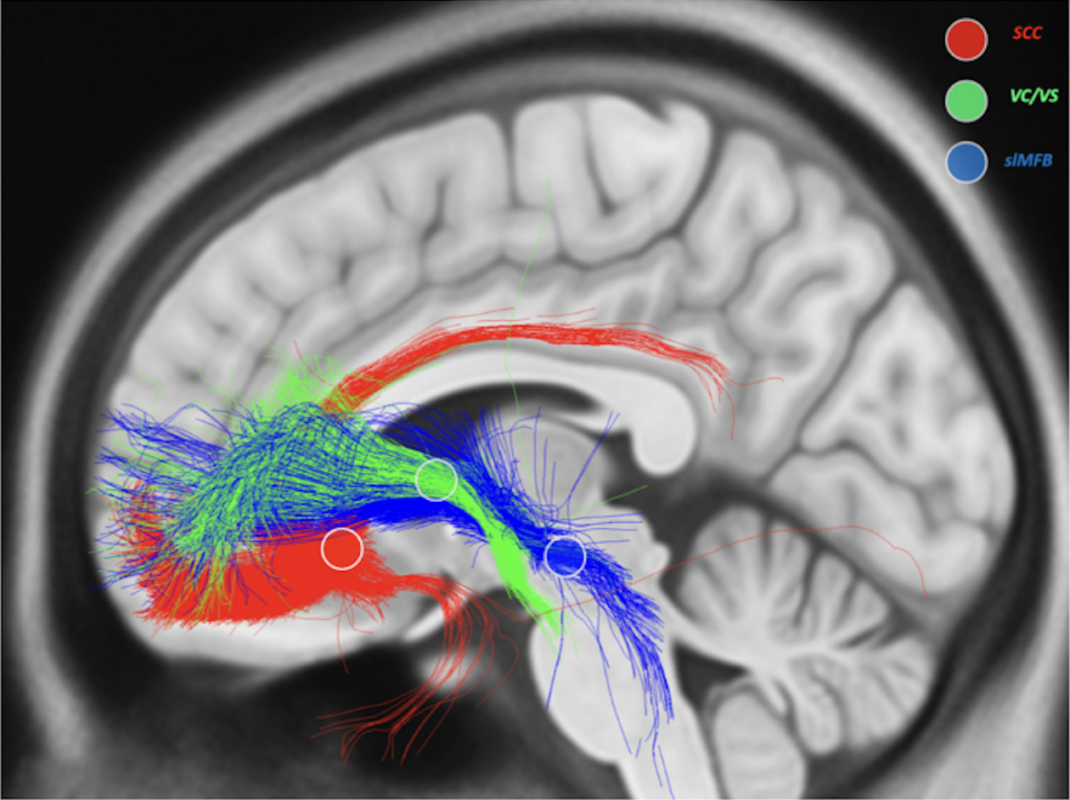
Each works differently, but many researchers believe these compounds may help promote neuroplasticity—the brain’s ability to reorganize and form new neural connections.
Although scientists continue studying exactly how these treatments work, increased neuroplasticity may help explain why some patients experience improvements relatively quickly compared with traditional antidepressants.
Psychedelic Medicine Is No Longer a Fringe Industry
Perhaps the biggest story isn’t Lilly’s acquisition itself.
It’s what the acquisition represents.
Only a decade ago, many investors considered psychedelic medicine too controversial to attract significant pharmaceutical investment.
Today, the landscape looks remarkably different.
Major academic institutions have launched dedicated psychedelic research centers.
Governments have expanded clinical research.
Healthcare providers are exploring new treatment models.
And pharmaceutical companies are investing billions into the space.
This growing acceptance reflects a broader recognition that mental healthcare requires innovation just as urgently as cancer treatment, cardiovascular disease, and metabolic health.
Rather than viewing psychedelic therapies as experimental alternatives, many experts now see them as potential additions to mainstream psychiatric care—provided they continue demonstrating safety and effectiveness through clinical trials.
How BPL-003 Could Change Depression Treatment
One of the reasons Eli Lilly pursued AtaiBeckley is the company’s lead investigational therapy, BPL-003.
Unlike traditional antidepressants that are taken daily and may take several weeks before patients notice improvement, BPL-003 is being developed as a rapid-acting intranasal therapy administered in a supervised clinical setting.
The treatment is based on 5-MeO-DMT, a psychedelic compound researchers believe may temporarily enhance neuroplasticity—the brain’s ability to create new neural connections.
Researchers hope this process may allow patients to break deeply ingrained patterns associated with depression while experiencing improvements much faster than conventional medications.
It’s important to note that BPL-003 remains investigational and has not yet received regulatory approval. Larger clinical trials will determine whether its early promise translates into safe and effective treatment for patients.
Still, Lilly’s willingness to invest billions demonstrates just how optimistic the pharmaceutical industry has become about this emerging field.
How Does It Compare to Existing Treatments?
Psychedelic-inspired therapies aren’t entering an empty market.
One of the biggest breakthroughs in recent years came from Johnson & Johnson’s Spravato (esketamine), which became the first FDA-approved ketamine-derived treatment for treatment-resistant depression.
Like BPL-003, Spravato is administered under medical supervision and is designed for patients who haven’t responded adequately to traditional antidepressants.
However, researchers hope future therapies may offer different treatment experiences, shorter administration times, or improved long-term outcomes.
Rather than replacing existing antidepressants, many experts believe psychedelic-inspired medicines will eventually become another option within a much broader mental health toolkit.
That toolkit may include medication, psychotherapy, lifestyle interventions, digital mental health platforms, and personalized treatment plans tailored to each individual.
Competition Is Accelerating
Eli Lilly isn’t the only company betting on psychedelic medicine.
Several biotechnology firms have spent years developing novel therapies targeting depression, anxiety, PTSD, addiction, and other psychiatric conditions.
Among the most recognized companies are:
Compass Pathways, developing psilocybin-assisted therapy for treatment-resistant depression.
Definium Therapeutics, researching psychedelic-inspired treatments for anxiety and other neurological disorders.
GH Research, another company investigating 5-MeO-DMT therapies for depression.
Although each company focuses on different compounds and treatment approaches, they all share a common goal: providing faster, more effective options for patients who have exhausted traditional therapies.
The increasing number of companies entering the field suggests psychedelic medicine is no longer viewed as a speculative niche but as a rapidly expanding area of neuroscience.
Why Investors Are Paying Attention
The excitement surrounding psychedelic medicine extends far beyond scientific research.
From an investment perspective, mental health represents one of the largest unmet needs in healthcare.
Depression affects hundreds of millions of people globally, while treatment-resistant depression alone represents a multibillion-dollar market with limited effective treatment options.
For pharmaceutical companies, therapies capable of producing faster or more durable improvements could transform psychiatric care.
Lilly’s acquisition also demonstrates another important trend within healthcare.
Rather than relying solely on internal drug discovery, large pharmaceutical companies are increasingly acquiring innovative biotechnology firms that have already generated promising clinical data.
This strategy allows established companies to accelerate innovation while helping smaller biotech firms bring therapies to patients more quickly.
Psychedelic Medicine and the Future of Preventive Mental Healthcare
Mental health conversations have changed dramatically over the past decade.
Instead of focusing exclusively on treating illness after it develops, healthcare providers are placing greater emphasis on prevention, early intervention, and personalized care.
Technology has played a major role in that transformation.
Wearable devices monitor stress and sleep.
Digital therapy platforms expand access to care.
Artificial intelligence helps identify patterns in mental health data.
Now, psychedelic-inspired medicines may become another important piece of that evolving ecosystem.
Rather than viewing depression as a condition treated with a single medication, future care may combine pharmaceutical innovation, psychotherapy, digital monitoring, lifestyle medicine, and preventive healthcare into highly personalized treatment strategies.
If you’re interested in how technology is reshaping behavioral healthcare, check out Vital Report’s article The Rise of Mental Healthcare Platforms, which explores the growing role of AI, digital platforms, and personalized mental health solutions.
The Bottom Line
Eli Lilly’s acquisition of AtaiBeckley is about much more than one biotechnology company.
It reflects a broader shift taking place across medicine.
After decades of relatively limited innovation in depression treatment, pharmaceutical companies are once again investing heavily in entirely new approaches to mental healthcare.
While therapies like BPL-003 still require additional clinical research and regulatory review, the momentum behind psychedelic medicine has never been stronger.
As companies continue exploring compounds capable of improving neuroplasticity and accelerating symptom relief, patients may eventually benefit from faster, more personalized treatment options than ever before.
For investors, researchers, clinicians, and patients alike, one thing has become increasingly clear:
Psychedelic medicine is no longer a fringe concept.
It’s becoming one of the most closely watched frontiers in modern healthcare.
Frequently Asked Questions
What is AtaiBeckley?
AtaiBeckley is a biotechnology company developing innovative therapies for treatment-resistant depression, including its lead investigational candidate, BPL-003, an intranasal 5-MeO-DMT therapy.
Why did Eli Lilly acquire AtaiBeckley?
Lilly acquired AtaiBeckley to strengthen its neuroscience pipeline and expand its portfolio of potential treatments for serious mental health conditions, particularly treatment-resistant depression.
What is BPL-003?
BPL-003 is an investigational intranasal therapy based on 5-MeO-DMT that is being studied for its potential to provide rapid symptom relief for patients with treatment-resistant depression.
Is psychedelic medicine FDA approved?
Some psychedelic-inspired treatments, such as Spravato (esketamine), have received FDA approval for specific conditions. Other therapies, including BPL-003 and psilocybin-based treatments, remain in clinical development.
Why is psychedelic medicine attracting so much investment?
Growing clinical research, significant unmet needs in mental healthcare, and the potential for faster-acting treatments have made psychedelic medicine one of the fastest-growing areas of neuroscience and pharmaceutical investment.