
Meta Title: Unilever Explores $4B Bid for Thorne: What It Means for the Supplement Industry
Meta Description: Unilever is reportedly exploring a $4 billion acquisition of Thorne. Here’s what the deal means for the future of supplements, wellness, and consumer health.
The global health and wellness industry could be on the verge of another blockbuster acquisition.
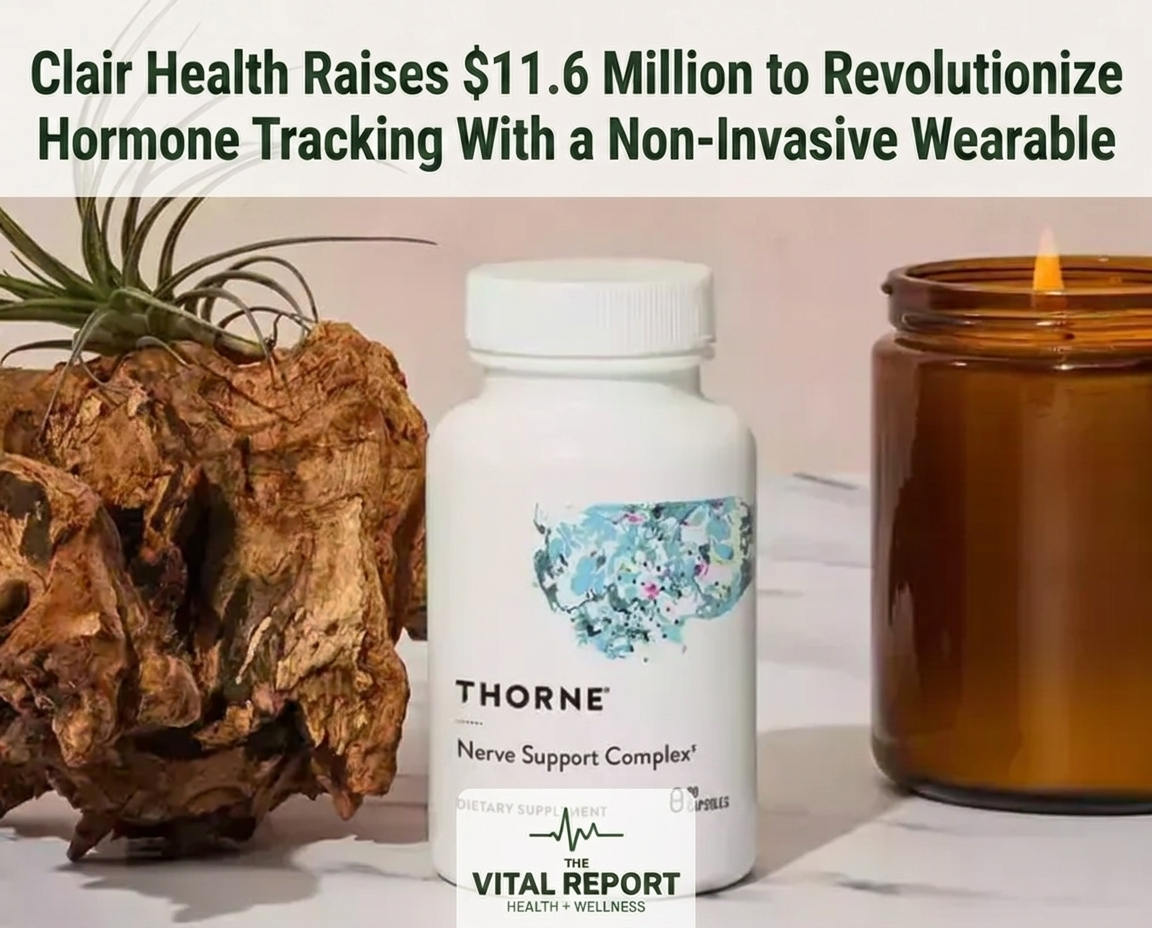
According to the Financial Times, Unilever is exploring a bid to acquire premium dietary supplement company Thorne in a deal that could value the business at up to $4 billion. The sale process, led by private equity firm L Catterton, has reportedly attracted interest from multiple strategic buyers as demand for premium wellness brands continues to accelerate. (Financial Times)
If completed, the acquisition would represent one of the largest supplement transactions in recent years—and another major signal that consumer packaged goods giants increasingly see nutritional supplements as one of the fastest-growing categories in health and wellness.
Why Thorne Is Worth $4 Billion
Founded in 1984, Thorne has quietly become one of the most respected names in premium nutritional supplements.
Unlike many mass-market vitamin brands, Thorne built its reputation on physician recommendations, rigorous ingredient sourcing, third-party testing, and evidence-based formulations. The company produces hundreds of products spanning:
- Multivitamins
- Sports nutrition
- Gut health
- Sleep support
- Cognitive performance
- Longevity
- Women’s health
- Healthy aging
Over the past decade, Thorne has become particularly popular among elite athletes, functional medicine practitioners, and health-conscious consumers looking for pharmaceutical-grade supplements.
The company’s credibility has also been strengthened through partnerships with professional sports organizations and healthcare practitioners who prioritize clinically validated products over commodity vitamins.
That premium positioning has translated into impressive financial growth.
According to the Financial Times, Thorne is expected to generate approximately $650 million in revenue during 2026. At a proposed $4 billion valuation, the company would command roughly 6.15x forward sales—a multiple that reflects investors’ confidence in premium wellness brands with strong customer loyalty and recurring revenue. (Financial Times)
From IPO to Private Equity Success Story
Thorne’s growth story has taken several interesting turns.
The company went public on the Nasdaq in 2021, pricing shares at $10 per share.
Just two years later, in 2023, L Catterton acquired the company in a deal valued at approximately $680 million, taking the business private.
At the time, some questioned why a rapidly growing supplement company would leave public markets so quickly.
The answer appears increasingly clear.
Under private ownership, L Catterton invested heavily in accelerating growth, expanding product development, strengthening digital marketing, and scaling operations.
According to the Financial Times, the company has achieved annual revenue growth exceeding 30% under L Catterton’s ownership, making it one of the most attractive assets in consumer wellness today. (Financial Times)
If Thorne ultimately sells near $4 billion, it would represent a remarkable return on investment for the private equity firm in just three years.
Why Unilever Wants Another Wellness Brand
For decades, Unilever built its business around household staples like Dove, Hellmann’s, Vaseline, Axe, and Ben & Jerry’s.
Today, however, the company’s priorities have shifted dramatically.
Rather than relying solely on traditional packaged goods, Unilever has spent the past several years building a portfolio centered on:
- Personal wellness
- Beauty
- Preventative health
- Nutritional supplements
- Functional nutrition
CEO Fernando Fernandez has continued pushing the company toward faster-growing, higher-margin categories as consumer preferences evolve beyond traditional grocery products. (Financial Times)
Supplements represent one of the fastest-growing opportunities in consumer health.
Unlike packaged foods—which often grow only low single digits annually—the premium supplement category continues posting strong double-digit growth as consumers increasingly prioritize preventative healthcare.
Unilever’s Growing Health and Wellness Portfolio
A Thorne acquisition would not be Unilever’s first major investment in supplements.
Instead, it would continue a multi-year strategy of assembling one of the strongest wellness portfolios among global consumer goods companies.
Olly Nutrition (2019)
Unilever acquired Olly Nutrition in 2019 after the gummy vitamin brand became one of the fastest-growing supplement companies in retail.
Olly successfully transformed vitamins from clinical products into lifestyle accessories through colorful packaging, approachable branding, and enjoyable gummy formulations.
Today, Olly remains one of the largest premium vitamin brands sold across major retailers.
SmartyPants Vitamins (2020)
The acquisition of SmartyPants Vitamins expanded Unilever’s reach into premium gummy vitamins for adults and children.
Known for high-quality ingredients and comprehensive multivitamin formulations, SmartyPants strengthened Unilever’s presence in family nutrition.
Nutrafol (2022)
Perhaps Unilever’s most strategic wellness acquisition before Thorne was Nutrafol.
Nutrafol pioneered physician-backed hair growth supplements, combining nutraceutical ingredients with personalized healthcare.
The brand rapidly became one of the leaders in the growing beauty-from-within movement.
Liquid I.V.
Unilever also owns Liquid I.V., one of the fastest-growing hydration brands in America.
Originally positioned as an electrolyte drink mix, Liquid I.V. has expanded into broader functional hydration and wellness, helping Unilever capture consumers focused on performance, recovery, and everyday health.
Grüns (2026)
Earlier this year, Unilever announced the acquisition of Grüns, further expanding its nutritional supplement portfolio with a brand focused on convenient daily nutrition. (Investing.com)
Adding Thorne would strengthen Unilever’s position at the premium end of the supplement market while complementing its existing brands across hydration, vitamins, hair health, and functional nutrition.
Why Premium Supplements Continue to Outperform
Consumers are spending differently than they did a decade ago.
Instead of waiting until illness occurs, many people now invest proactively in:
- Longevity
- Healthy aging
- Immune support
- Gut health
- Cognitive performance
- Athletic recovery
- Stress management
- Sleep optimization
This shift toward preventative wellness has fundamentally changed the supplement industry.
Rather than competing primarily on price, premium brands like Thorne compete on:
- Scientific validation
- Ingredient transparency
- Clinical research
- Practitioner trust
- Manufacturing quality
- Third-party certifications
Consumers increasingly view supplements less as inexpensive vitamins and more as long-term investments in health.
That trend has allowed premium companies to command significantly higher average selling prices while maintaining strong customer loyalty.
A Sign of Industry Consolidation
The potential Thorne acquisition also reflects a broader trend reshaping consumer healthcare.
Large multinational companies increasingly recognize that innovation often happens inside smaller, founder-led wellness businesses.
Rather than developing these brands internally, established corporations frequently acquire companies once they’ve demonstrated product-market fit and strong consumer demand.
Recent years have seen major acquisitions across:
- Personalized nutrition
- Continuous glucose monitoring
- Functional beverages
- Gut health
- Women’s health
- Healthy aging
- Preventative medicine
As wellness spending continues increasing globally, premium supplement companies have become some of the most sought-after acquisition targets in consumer packaged goods.
The Economics Behind the Deal
At first glance, paying more than six times annual revenue may appear expensive.
However, premium supplement businesses possess several characteristics that investors value highly:
High gross margins
Supplements often generate significantly stronger margins than traditional packaged foods.
Recurring purchases
Many customers reorder products monthly through subscription programs.
Strong customer loyalty
Consumers who trust a supplement brand frequently remain customers for years.
Global expansion opportunities
Companies like Unilever possess worldwide distribution networks capable of introducing products into dozens of new markets.
If Unilever acquired Thorne, international expansion alone could significantly accelerate revenue growth beyond its already impressive trajectory.
Competition May Drive the Price Higher
While the Financial Times identified Unilever as one interested bidder, Reuters reported that consumer healthcare company Haleon has also submitted an offer, highlighting strong strategic interest in Thorne. Reuters additionally reported that some sources disputed whether Unilever had formally submitted a bid, underscoring that the sale process remains fluid. (Reuters)
Competitive bidding could ultimately push Thorne’s valuation above initial expectations.
Given continued investor enthusiasm surrounding premium wellness companies, L Catterton appears well positioned to maximize returns.
What This Means for Consumers
For consumers, a Unilever acquisition would likely bring several advantages.
Greater manufacturing scale could improve product availability while expanding international distribution into new markets.
Additional research and development investment could accelerate innovation across personalized nutrition, longevity supplements, sports performance, and healthy aging.
Importantly, Thorne’s reputation has been built on scientific rigor and practitioner trust.
Maintaining those standards would be essential if Unilever hopes to preserve the premium positioning that makes the brand so valuable.
Consumers increasingly reward transparency, quality control, and clinical validation—qualities that differentiate Thorne from many mainstream supplement brands.
The Bottom Line
Whether or not Unilever ultimately acquires Thorne, the reported $4 billion valuation speaks volumes about where the wellness industry is headed.
Premium supplements have evolved from a niche category into one of the most attractive segments in consumer health. As consumers prioritize prevention over treatment and increasingly seek science-backed products, companies with trusted brands, recurring revenue, and strong clinical credibility are commanding premium valuations.
For Unilever, acquiring Thorne would deepen a wellness portfolio that already includes Olly, SmartyPants Vitamins, Nutrafol, Liquid I.V., and Grüns, reinforcing its transformation from a traditional consumer packaged goods company into a broader health and wellbeing platform. (Financial Times)
Whether the transaction closes or another bidder prevails, one thing is becoming increasingly clear: the next wave of growth in consumer goods is likely to be driven not by soap or snacks, but by personalized nutrition, preventative healthcare, and premium wellness brands.