
For years, protein dominated nearly every health conversation. Grocery store shelves filled with high-protein cereals, protein coffee, protein pasta, protein chips, and protein desserts as consumers chased higher daily protein goals. While protein remains an essential nutrient for muscle growth, healthy aging, and recovery, another nutrient is rapidly taking center stage.
Fiber.
Nutrition researchers, physicians, registered dietitians, and wellness companies are increasingly referring to fiber as one of the most overlooked nutrients in modern diets. Instead of asking, “How much protein did you eat today?” many healthcare professionals are beginning with a different question:
“How much fiber are you getting?”
This shift is driven by growing research connecting higher fiber intake with better gut health, improved blood sugar regulation, healthier cholesterol levels, increased satiety, and a lower risk of several chronic diseases. Combined with the explosive interest in GLP-1 medications, metabolic health, and the gut microbiome, fiber has become one of the biggest nutrition trends of 2026.
Why Fiber Is Suddenly Everywhere
For decades, fiber was associated almost exclusively with digestive regularity.
Today, researchers know its benefits extend far beyond digestion.
Dietary fiber feeds the trillions of beneficial bacteria living in the gut microbiome. As these microbes ferment certain fibers, they produce short-chain fatty acids that help support immune function, maintain the gut lining, and influence inflammation throughout the body.
At the same time, fiber slows digestion, helping reduce blood sugar spikes after meals while promoting longer-lasting fullness. These effects have made fiber a major focus for healthcare providers working with patients on weight management, diabetes prevention, cardiovascular health, and longevity.
Many Americans, however, consume far less fiber than recommended, making it one of the largest nutritional gaps in the modern diet.
The GLP-1 Boom Is Fueling Interest in Fiber
The popularity of GLP-1 medications such as Ozempic, Wegovy, and Zepbound has changed the conversation around nutrition.
As millions of people focus on preserving muscle while improving metabolic health, healthcare professionals increasingly recommend diets rich in both protein and fiber.
Fiber complements these medications by helping people stay satisfied between meals, supporting healthy digestion, and encouraging a diverse gut microbiome.
As discussed in Vital Report’s article on How GLP-1s Are Changing the Fitness Industry, nutrition is becoming just as important as medication when it comes to achieving sustainable long-term health.
Rather than replacing protein, fiber is becoming its partner.
Why Gut Health Has Become a Wellness Priority
One of the biggest reasons fiber is gaining attention is the explosion of research surrounding the gut microbiome.
Scientists continue discovering connections between gut bacteria and areas of health including:
- Immune function
- Mental health
- Blood sugar regulation
- Cardiovascular health
- Inflammation
- Athletic recovery
- Healthy aging
Fiber serves as fuel for many beneficial gut bacteria, making it one of the simplest dietary changes people can make to support microbial diversity.
This has helped fuel the growth of gut health companies and digestive wellness brands.
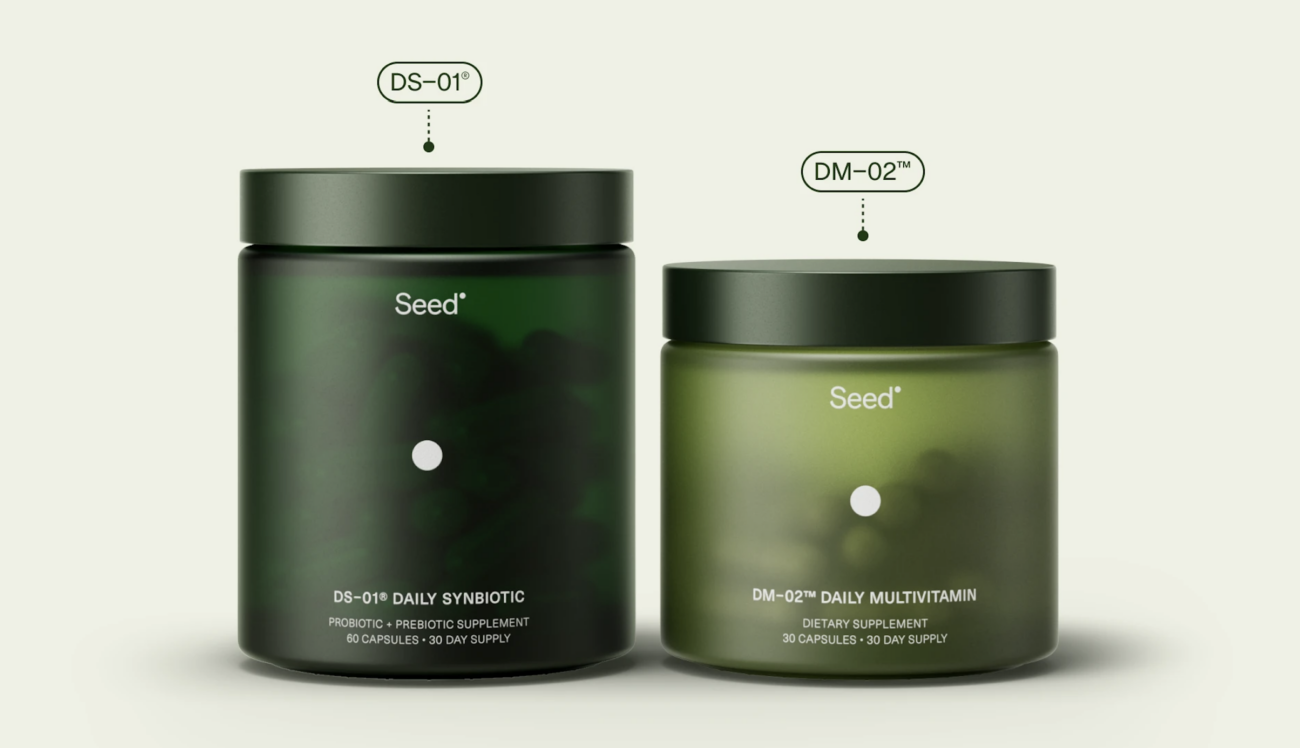
For example, Seed has become well known for its science-backed probiotic formulations designed to support digestive and whole-body health. Likewise, Pendulum focuses on targeted microbiome products aimed at improving metabolic health and blood sugar management.
Food Companies Are Making Fiber a Selling Point
The food industry has noticed.
Instead of highlighting only protein, brands are increasingly advertising fiber content on the front of packaging.
Consumers are also paying closer attention to ingredients rather than simply counting calories.
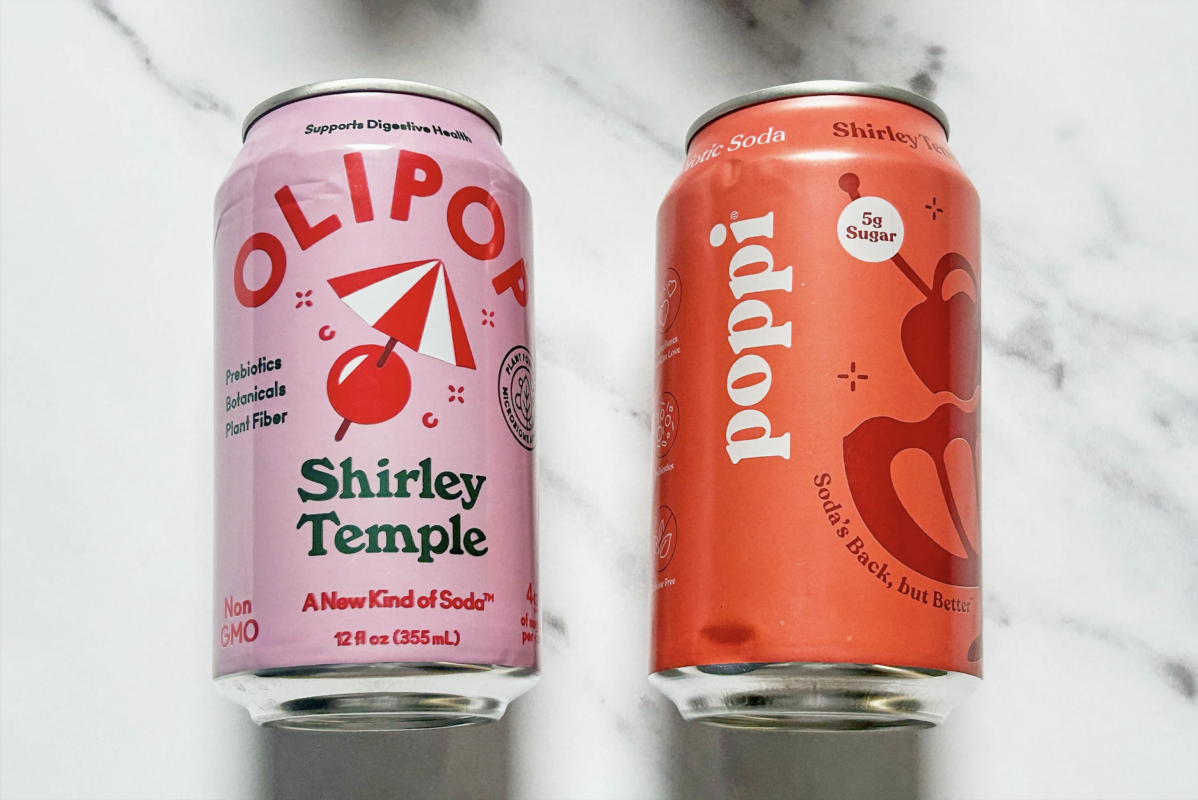
Companies like Magic Spoon have expanded beyond protein messaging by incorporating additional functional nutrition benefits, while brands such as OLIPOP have built entire product lines around prebiotic fiber designed to support digestive health.
Another rapidly growing brand, Poppi, combines sparkling beverages with added prebiotics as consumers look for healthier soda alternatives.
This represents a broader shift toward foods that offer benefits beyond basic nutrition.
The Best Natural Sources of Fiber
Although fiber supplements have become increasingly popular, experts generally recommend obtaining most fiber from whole foods whenever possible.
Excellent sources include:
- Lentils
- Black beans
- Chickpeas
- Oats
- Raspberries
- Pears
- Apples
- Broccoli
- Brussels sprouts
- Chia seeds
- Flaxseed
- Avocados
- Barley
- Whole grains
Eating a wide variety of plant foods also promotes greater diversity within the gut microbiome.
Fiber Does More Than Improve Digestion
One reason healthcare providers are emphasizing fiber is because its benefits extend across multiple body systems.
Research suggests adequate fiber intake may support:
- More stable blood sugar
- Improved cholesterol
- Increased fullness after meals
- Better digestive regularity
- Healthier gut bacteria
- Reduced cardiovascular disease risk
- Long-term metabolic health
Unlike many wellness trends, fiber has decades of research supporting its role in overall health.
The Rise of Functional Fiber Products
Consumers looking to increase fiber intake without dramatically changing their diets now have more options than ever.
Products containing psyllium husk, resistant starches, inulin, partially hydrolyzed guar gum, and other prebiotic fibers are becoming increasingly common.
Brands such as Bellway have introduced flavored fiber supplements designed to make daily fiber consumption easier, while Benefiber continues offering soluble fiber products that mix into beverages without altering taste.
These products can help bridge nutritional gaps, although most dietitians still recommend prioritizing whole-food sources whenever possible.
Protein Still Matters
The rise of fiber doesn’t mean protein is becoming less important.
Protein remains essential for:
- Building muscle
- Recovery after exercise
- Healthy aging
- Bone health
- Hormone production
- Immune function
Instead, nutrition experts increasingly encourage consumers to think beyond isolated nutrients.
Rather than choosing between protein and fiber, the healthiest meals often include both.
For example:
- Greek yogurt topped with berries and chia seeds
- Lentil soup with vegetables
- Overnight oats with flaxseed
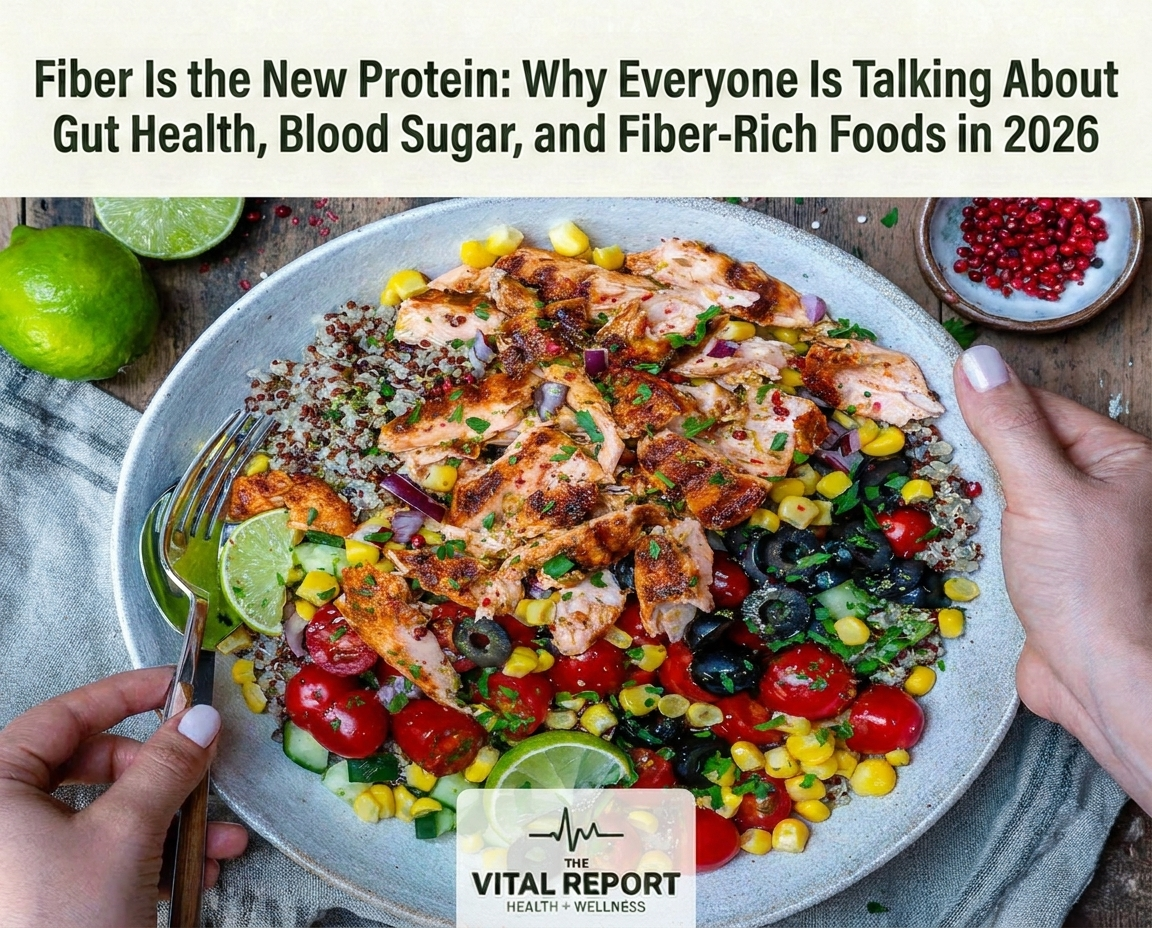
- Salmon served alongside roasted vegetables and quinoa
- Bean-based grain bowls
These meals provide protein, fiber, healthy fats, vitamins, and minerals together.
The Future of Nutrition Is About Quality
The conversation surrounding nutrition is evolving.
For years, wellness marketing revolved around low-fat, low-carb, or high-protein labels.
Today’s consumers are becoming more interested in food quality, gut health, metabolic health, and longevity.
That means looking beyond single nutrients and focusing on dietary patterns rich in fruits, vegetables, legumes, whole grains, nuts, and seeds.
Fiber fits naturally into that philosophy because it supports multiple aspects of health simultaneously rather than targeting a single outcome.
The Bottom Line
Protein isn’t going anywhere—but fiber is finally getting the attention it deserves.
As research continues linking gut health to metabolism, immune function, cardiovascular health, and even mental well-being, fiber has become one of the most valuable nutrients in the modern diet.
For consumers, the takeaway is simple: instead of chasing the latest fad, focus on eating more fiber-rich whole foods while continuing to meet your protein needs.
The future of nutrition isn’t about choosing protein or fiber.
It’s about building meals that provide both.
Frequently Asked Questions
Why is fiber becoming more popular?
Growing research has linked fiber to gut health, blood sugar regulation, heart health, satiety, and long-term metabolic wellness, making it one of the biggest nutrition trends in 2026.
How much fiber should adults consume?
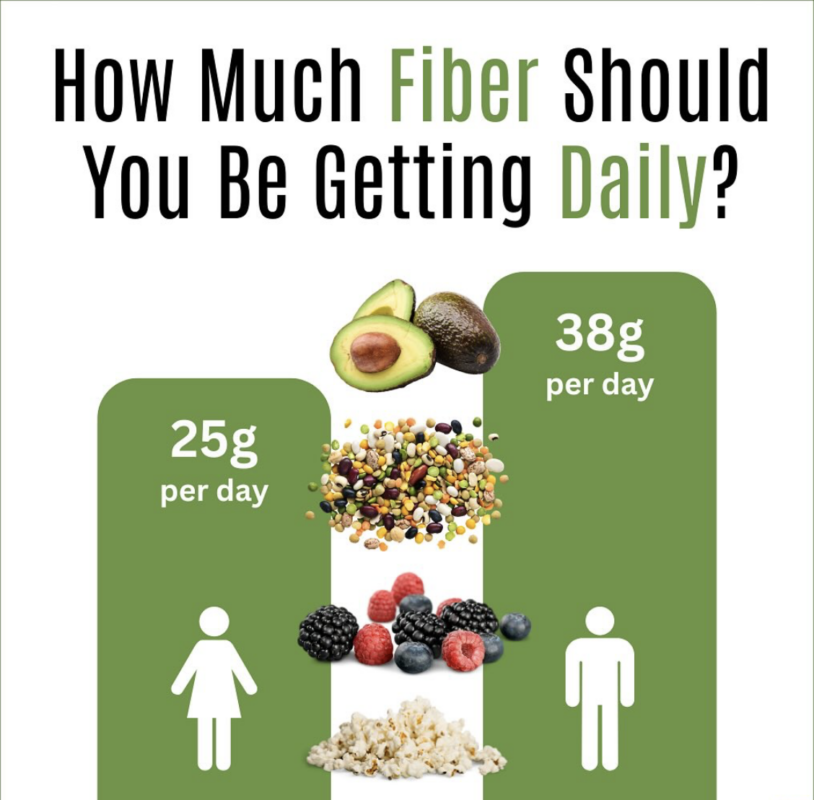
Most health organizations recommend roughly 25–38 grams of fiber per day depending on age and sex, though many people consume significantly less.
Can you eat too much fiber?
Increasing fiber too quickly may cause bloating or digestive discomfort. It’s generally best to increase intake gradually while drinking plenty of water.
Is fiber better than protein?
No. Both nutrients play different but complementary roles. Protein supports muscle and recovery, while fiber supports digestion, gut health, and metabolic health.
What are the highest-fiber foods?
Beans, lentils, oats, berries, chia seeds, flaxseed, vegetables, whole grains, pears, avocados, and chickpeas are among the best natural sources of dietary fiber.