
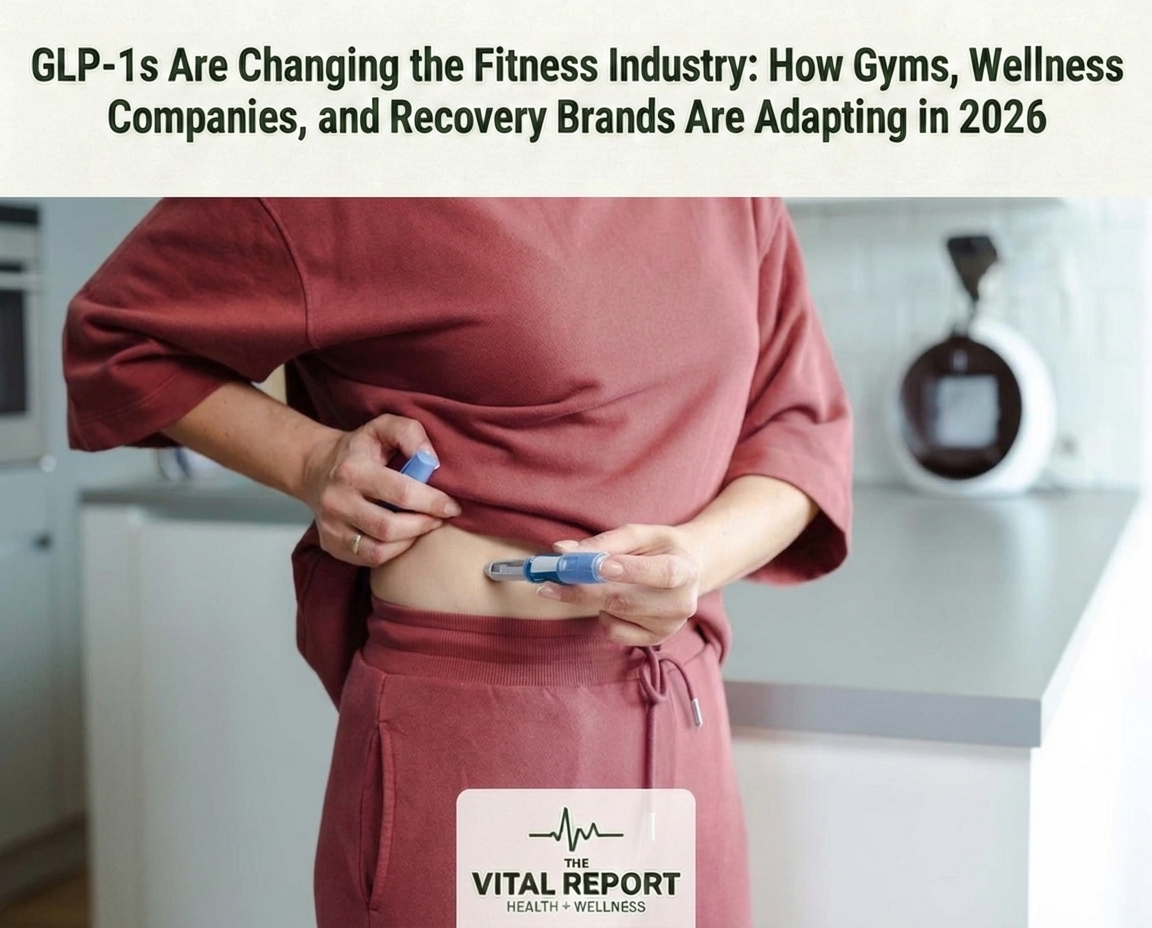
The explosive rise of GLP-1 medications like Ozempic, Wegovy, Zepbound, and Mounjaro has transformed far more than the weight loss industry. What began as breakthrough treatments for diabetes and obesity has quickly become one of the biggest catalysts reshaping fitness, nutrition, recovery, and preventive health.
Millions of Americans are now taking GLP-1 medications, and with that surge comes a new challenge: losing weight is only one part of the equation. Preserving muscle, maintaining strength, improving metabolic health, and building sustainable habits have become just as important.
As a result, gyms, fitness companies, supplement brands, and digital health platforms are launching entirely new programs specifically designed for people taking GLP-1 medications. Rather than viewing these drugs as competition, many businesses are embracing them as an opportunity to create more personalized wellness experiences.
For readers interested in the growing importance of at-home health wellness experiences, check out Vital Report’s article on Rythm Health, which explores why protein has become one of the most important nutrients for healthy aging and body composition.
Why GLP-1 Users Need More Than Weight Loss
GLP-1 medications work by slowing stomach emptying, regulating blood sugar, and significantly reducing appetite. For many patients, the results can be remarkable, with clinical trials showing average weight loss exceeding 15 percent depending on the medication.
However, experts have increasingly emphasized that rapid weight loss often includes the loss of lean muscle mass alongside body fat. Losing muscle can reduce strength, decrease metabolic rate, and make long-term weight maintenance more difficult.
That reality has shifted the conversation.
Instead of simply asking, “How much weight did you lose?” healthcare providers are now asking:
- How much muscle did you preserve?
- Are you eating enough protein?
- Are you strength training?
- Are you maintaining bone health?
These questions are fueling an entirely new category of fitness services.
Gyms Are Launching GLP-1 Programs
Fitness brands are recognizing that traditional weight-loss advice is no longer enough.
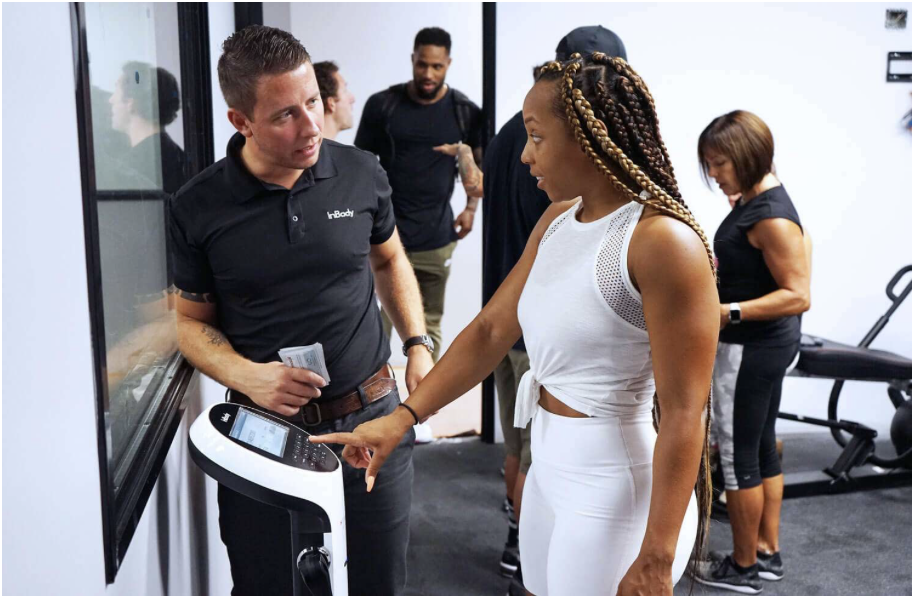
Many gyms are beginning to offer specialized coaching focused on resistance training, body composition testing, nutrition guidance, and recovery specifically for GLP-1 users.
Luxury fitness company Equinox has expanded its focus on longevity, metabolic health, recovery, and personalized coaching—services that naturally complement members using GLP-1 medications.
Meanwhile, Life Time has introduced comprehensive weight management programs that combine physician oversight, nutrition coaching, exercise programming, and GLP-1 medications into one integrated experience.
Rather than seeing medication as a replacement for exercise, these companies are positioning fitness as an essential partner to pharmaceutical treatment.
Digital Health Companies Are Expanding
Telehealth providers have become some of the biggest players in the GLP-1 space.
Companies including Hims & Hers Health, Ro, and Noom now combine medication access with behavioral coaching, registered dietitians, fitness recommendations, and long-term weight management strategies.
Many recognize that medication alone rarely creates lifelong health habits.
Instead, they’re building ecosystems that encourage better nutrition, regular exercise, improved sleep, and sustainable lifestyle changes.
Protein Has Become the New Priority
One of the biggest nutrition trends surrounding GLP-1 medications is increased protein intake.
Because appetite is often dramatically reduced, many users unintentionally consume too little protein.
Healthcare professionals increasingly recommend prioritizing high-quality protein throughout the day to help preserve lean muscle during weight loss.
This has created tremendous demand for products from companies like:
- Momentous
- Transparent Labs
- Legion Athletics
- Optimum Nutrition
- Ascent Protein
Protein shakes have become especially popular because many GLP-1 users struggle to consume large meals.
Recovery Is Becoming Just as Important
As more people incorporate resistance training into their GLP-1 journey, recovery has become another rapidly growing category.
Recovery companies are seeing increased interest in:
- infrared saunas
- massage therapy
- mobility training
- compression therapy
- cold exposure
- sleep optimization
Brands like Hyperice, Therabody, and Eight Sleep continue expanding products designed to improve recovery and overall performance.
The emphasis is shifting from simply losing weight to improving how people feel, move, and recover.
Body Composition Is Replacing the Scale
Perhaps the biggest mindset shift is moving beyond body weight alone.
Many physicians now recommend tracking:
- body fat percentage
- lean muscle mass
- visceral fat
- bone density
- metabolic markers
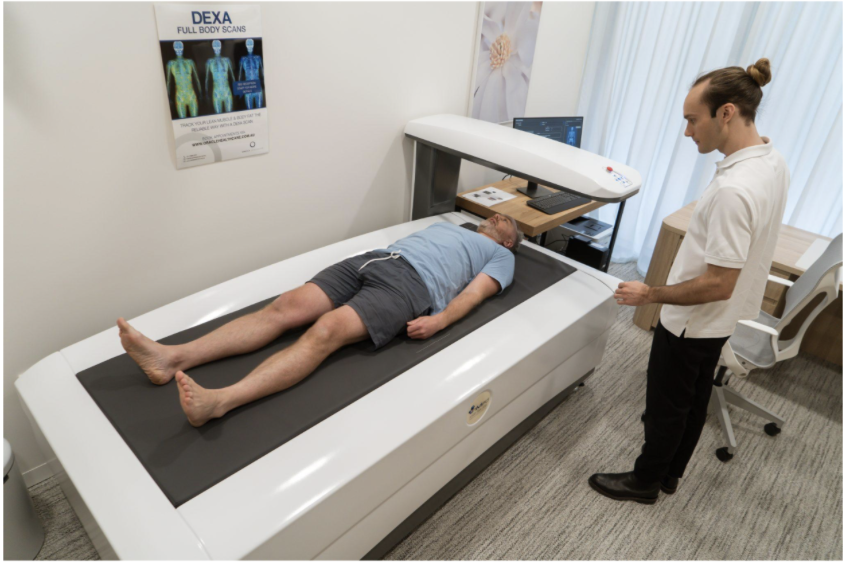
Technologies like DEXA scans, advanced blood testing, and preventive health screenings are becoming increasingly common for individuals looking to monitor changes beyond the number on the scale.
Consumers are becoming more interested in understanding what they’re losing—not just how much.
Wellness Companies Are Building Around Longevity
The GLP-1 revolution is happening at the same time that longevity medicine is becoming mainstream.
Consumers who begin taking GLP-1 medications often become interested in improving other aspects of their health, including sleep quality, cardiovascular health, strength, metabolic function, and preventive screenings.
This broader interest has benefited wellness companies offering comprehensive health optimization rather than focusing on a single treatment.
The future appears to be moving toward integrated care, where medication, nutrition, exercise, recovery, and preventive testing all work together.
What This Means for the Future of Fitness
GLP-1 medications are not replacing gyms.
If anything, they may be creating a new generation of gym members.
Many people who previously felt intimidated by exercise now have greater mobility, less joint pain, and more confidence after initial weight loss. That makes strength training, personal coaching, and recovery services more accessible than ever.
Rather than competing against pharmaceuticals, the most successful fitness companies are adapting by helping members build healthy habits that medication alone cannot provide.
Frequently Asked Questions
Should you exercise while taking GLP-1 medications?
Yes. Most healthcare providers recommend combining GLP-1 medications with regular resistance training and cardiovascular exercise to preserve muscle and improve long-term health.
Why is protein important on GLP-1 medications?
Protein helps maintain lean muscle mass during weight loss, supports recovery after exercise, and increases satiety.
Are gyms creating programs specifically for GLP-1 users?
Yes. Companies including Equinox, Life Time, and several digital health providers are expanding coaching, nutrition, and fitness services tailored to people taking GLP-1 medications.
Final Thoughts
GLP-1 medications have become much more than weight-loss drugs. They are reshaping how consumers think about fitness, nutrition, recovery, and preventive healthcare.
The companies seeing the greatest success aren’t treating medication as the entire solution—they’re recognizing that lasting health depends on preserving muscle, improving metabolic health, building strength, and creating sustainable habits.
As GLP-1 adoption continues to grow, expect to see even more gyms, wellness brands, supplement companies, and healthcare providers develop programs designed to help people not only lose weight but live healthier, stronger lives.