
Walk into any gym, grocery store, or health food market, and you’ll likely see shelves lined with protein powders promising muscle growth, better recovery, weight loss, and improved overall health. Among them, whey protein remains the most popular option by a wide margin. Once reserved primarily for bodybuilders and elite athletes, whey protein has become a staple for everyday consumers looking to improve their nutrition, support healthy aging, and meet their daily protein needs.
But with so many opinions circulating online, one question continues to come up: Is whey protein actually good for you?
The short answer is yes—for most healthy individuals, whey protein is a safe, convenient, and highly effective way to increase protein intake. Decades of research have shown that it can support muscle growth, recovery, satiety, and healthy aging when consumed as part of a balanced diet. However, not every whey protein is created equal, and there are certain situations where other protein sources may be a better fit.
As interest in preventive health continues to grow, consumers are paying closer attention not only to how much protein they consume but also to the quality of the ingredients they put into their bodies. If you’re interested in other evidence-based wellness trends, check out Vital Report’s article on Red Light Therapy in 2026, which explores another rapidly growing area of health optimization.
What Is Whey Protein?
Whey protein is one of the two primary proteins naturally found in milk, with the other being casein. During the cheese-making process, whey separates from the curds and is filtered into a protein-rich liquid. That liquid is then processed into the powdered supplements found in stores today.
Because whey contains all nine essential amino acids, it is considered a complete protein. It is also particularly rich in leucine, an amino acid that plays a major role in stimulating muscle protein synthesis after exercise.
There are three main forms of whey protein:
Whey Protein Concentrate
Contains approximately 70–80 percent protein along with small amounts of carbohydrates and healthy fats. It typically has the richest flavor and is often the least processed option.
Whey Protein Isolate
Contains 90 percent or more protein with very little lactose or fat. This is often preferred by people who are lactose sensitive or those looking for a leaner protein source.
Whey Protein Hydrolysate
A pre-digested form of whey that is absorbed slightly faster. It is commonly used in clinical nutrition and premium sports supplements.
The Health Benefits of Whey Protein
Supports Muscle Growth
Perhaps the best-known benefit of whey protein is its ability to support muscle growth and recovery. Research consistently shows that consuming sufficient protein throughout the day helps maximize muscle protein synthesis, especially when paired with resistance training.
This makes whey protein valuable not only for athletes but also for older adults looking to maintain muscle mass as they age.
Improves Exercise Recovery
After strenuous exercise, muscles experience microscopic damage that must be repaired. Whey protein provides the essential amino acids needed to rebuild muscle tissue and reduce recovery time.
Many athletes consume a protein shake within one to two hours after training to optimize recovery.
Helps Maintain a Healthy Weight
Protein is the most filling macronutrient. Increasing protein intake may help reduce hunger, decrease overall calorie consumption, and preserve lean muscle while losing body fat.
Because whey is convenient and portable, many people use it to replace lower-quality snacks throughout the day.
Supports Healthy Aging
One of the fastest-growing trends in wellness is preserving muscle mass later in life.
As adults age, they naturally lose muscle through a process known as sarcopenia. Adequate protein intake combined with strength training has become one of the most effective strategies for maintaining independence and overall health.
Convenient Nutrition
Many Americans simply do not consume enough protein throughout the day.
For busy professionals, parents, students, and travelers, whey protein offers an easy way to increase daily protein intake without preparing a full meal.
Are There Any Downsides?
For most healthy adults, whey protein is considered safe.
However, there are a few situations where it may not be the ideal choice.
People with milk allergies should avoid whey because it is derived from dairy.
Individuals who are lactose intolerant may tolerate whey isolate better than whey concentrate due to its significantly lower lactose content.
Some lower-quality protein powders also contain unnecessary added sugars, fillers, artificial dyes, or proprietary blends that make it difficult to know exactly what you’re consuming.
Choosing a product that undergoes third-party testing can help ensure quality and ingredient accuracy.
How Much Protein Do You Actually Need?

Protein needs vary depending on age, activity level, and overall health goals.
General recommendations include:
- Sedentary adults: approximately 0.8 grams per kilogram of body weight
- Active adults: roughly 1.2–1.8 grams per kilogram
- Strength athletes: approximately 1.6–2.2 grams per kilogram
- Older adults may also benefit from higher protein intake to support muscle maintenance.
Whey protein should be viewed as a supplement to a balanced diet—not a replacement for whole foods.
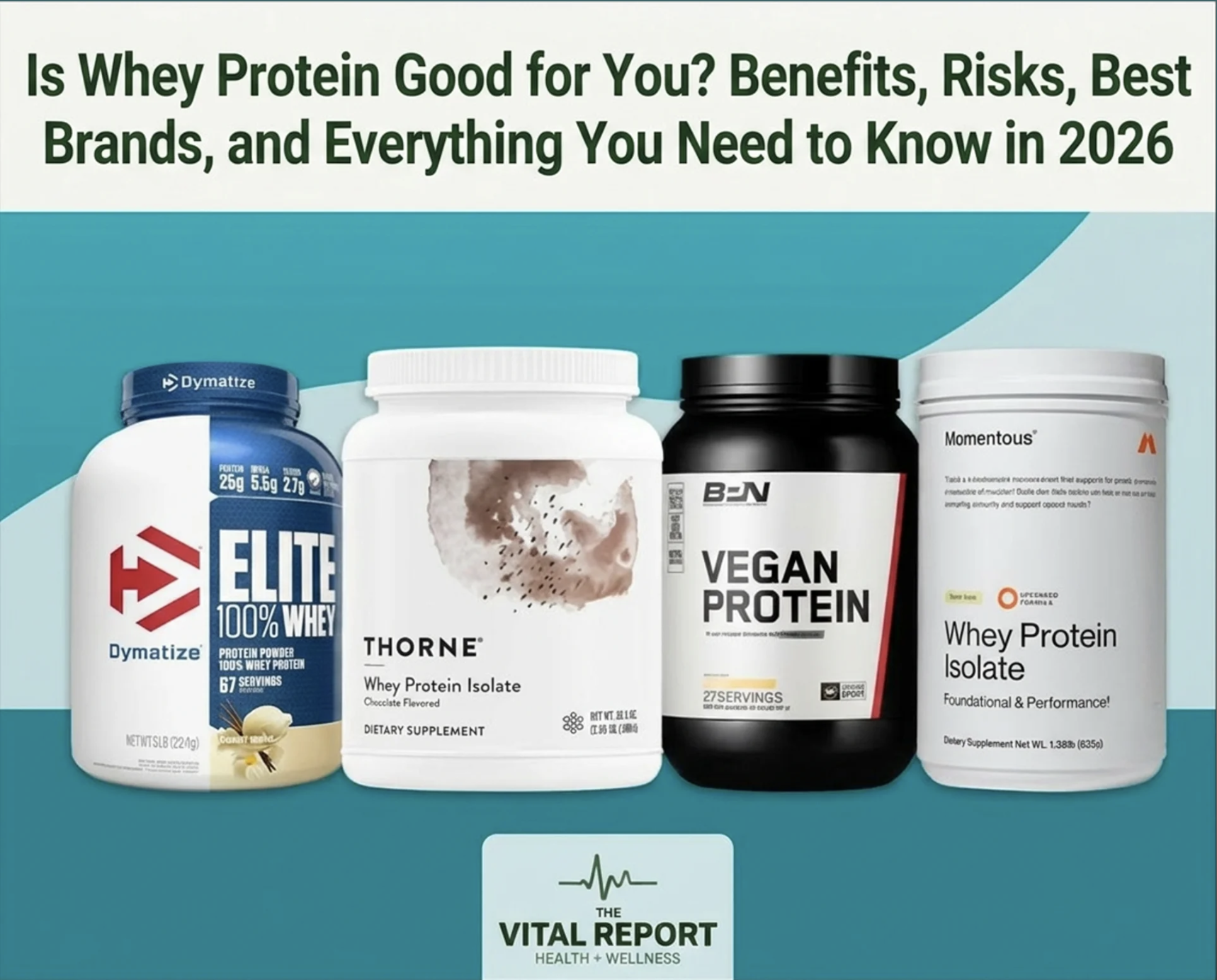
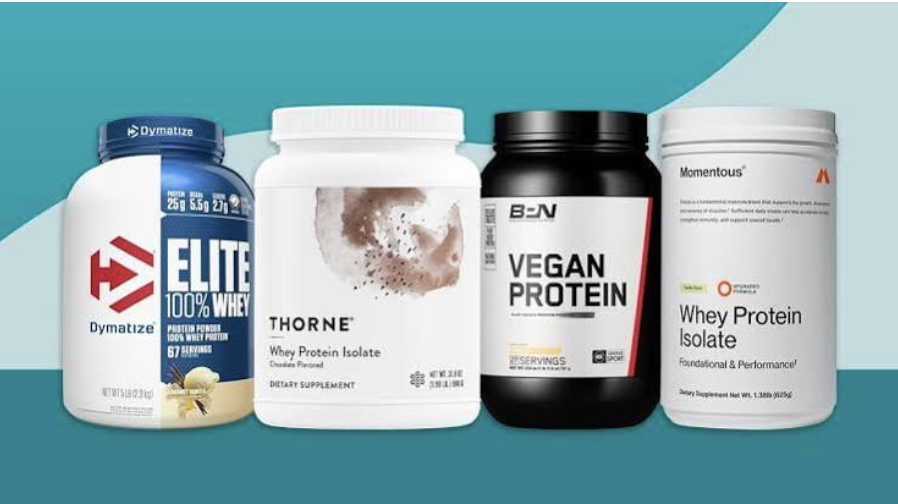
The Best Whey Protein Brands in 2026
Several companies have built strong reputations for quality ingredients, anparency, and third-party testing.
Transparent Labs
Known for clean ingredient labels, grass-fed whey, and no artificial sweeteners.
Momentous
Popular among professional athletes and frequently certified by NSF Certified for Sport.
Optimum Nutrition
One of the most widely recognized whey protein brands, offering affordable and reliable formulations.
Legion Athletics
Uses naturally flavored grass-fed whey with transparent labeling and rigorous testing.
Ascent Protein
Features native whey protein sourced directly from milk with minimal processing.
Should You Choose Plant Protein Instead?
Plant-based protein powders have become increasingly popular, especially among vegans and consumers seeking dairy-free alternatives.
Brands using pea, rice, hemp, soy, or blended plant proteins continue to improve both taste and amino acid profiles.
While whey generally remains the gold standard for muscle protein synthesis because of its leucine content and digestibility, high-quality plant protein blends can also effectively support muscle growth when total daily protein intake is sufficient.
The best choice ultimately depends on dietary preferences, allergies, and personal goals.
Frequently Asked Questions
Is whey protein safe to drink every day?
Yes. For most healthy adults, consuming whey protein daily is considered safe and can help meet recommended protein intake.
Does whey protein damage your kidneys?
Current research does not show that high-protein diets damage healthy kidneys. However, individuals with existing kidney disease should consult their healthcare provider before significantly increasing protein intake.
Is whey protein good for weight loss?
Whey protein may support weight loss by increasing satiety, helping preserve lean muscle during calorie restriction, and reducing overall calorie intake when incorporated into a balanced eating plan.
Is whey protein only for bodybuilders?
Not at all. Whey protein is used by athletes, older adults, busy professionals, recreational exercisers, and anyone who struggles to consume enough protein through whole foods alone.
Final Thoughts
Whey protein has earned its reputation as one of the most researched and effective nutritional supplements available. For most healthy individuals, it provides a convenient, high-quality source of complete protein that can support muscle growth, exercise recovery, healthy aging, and overall wellness.
The key is choosing a high-quality product with transparent ingredients and using it to complement a balanced diet rather than replace whole foods. As personalized nutrition and preventive health continue to evolve, whey protein remains one of the simplest and most evidence-backed tools for helping people reach their health and fitness goals.