
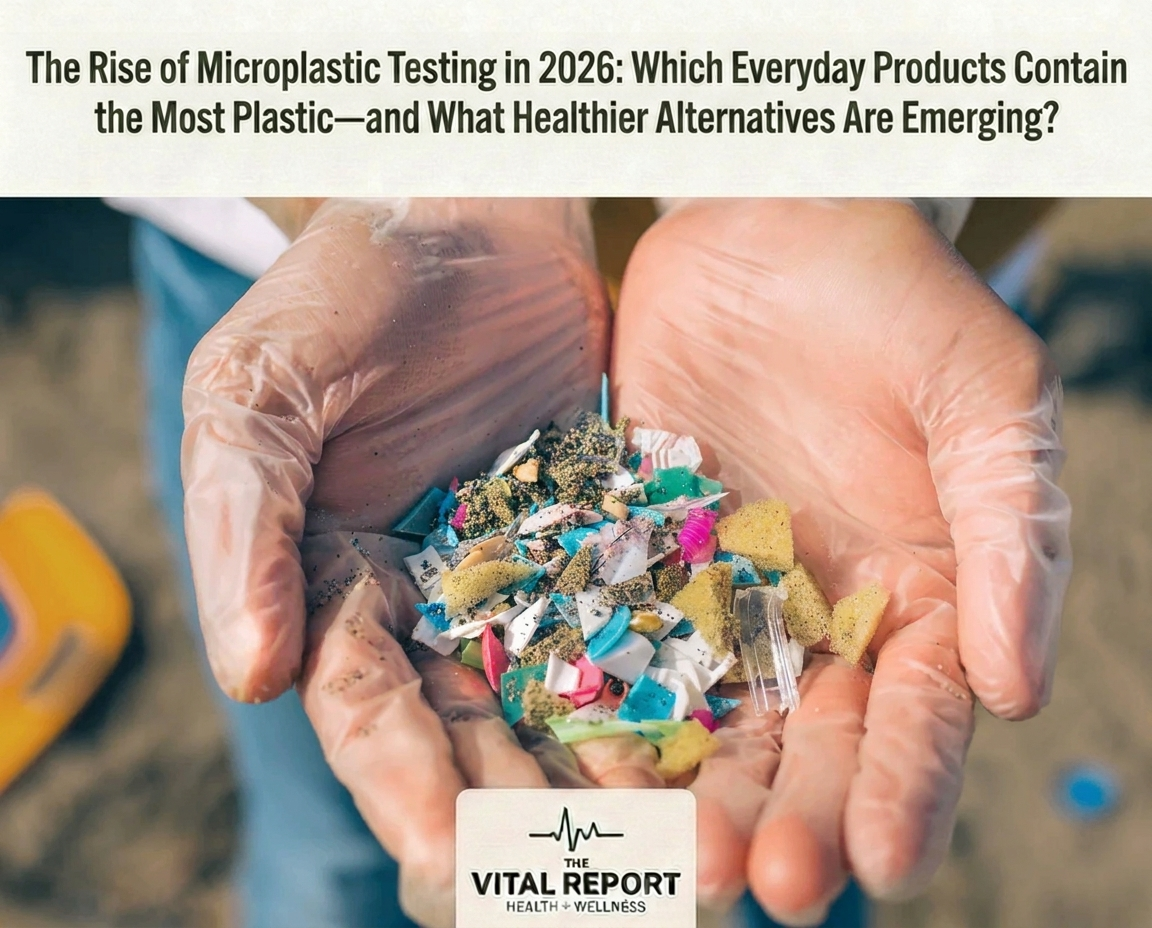
Microplastics have become one of the most talked-about topics in health and wellness. Once considered primarily an environmental issue, tiny plastic particles are now being detected in places that have shifted public attention dramatically: drinking water, food, household dust, blood, placentas, lungs, and even brain tissue. While researchers are still working to understand the long-term health implications, consumers are becoming increasingly interested in reducing unnecessary plastic exposure wherever possible.
As a result, a new trend is taking shape. Instead of simply looking for “clean ingredients” or “organic” labels, consumers are beginning to ask a different question:
How much microplastic is in the products I use every day?
Scientists, independent laboratories, and consumer advocacy organizations are now testing everything from bottled water and tea bags to cutting boards, clothing, cosmetics, and seafood. At the same time, brands are responding by redesigning products with glass, stainless steel, natural fibers, and plastic-free packaging.
For consumers, the goal isn’t to eliminate every source of microplastics—which isn’t currently realistic—but to reduce exposure where practical through informed purchasing decisions.
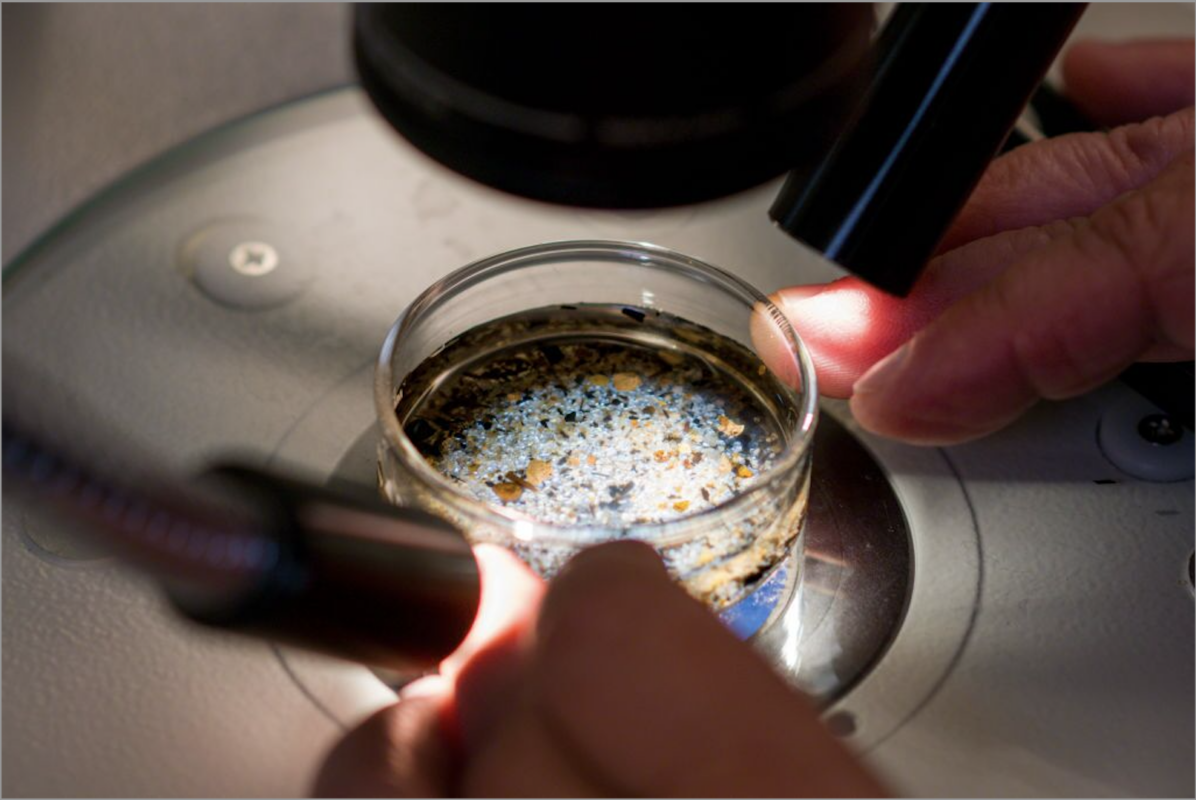
What Are Microplastics?
Microplastics are generally defined as plastic particles smaller than five millimeters. Even smaller particles, called nanoplastics, are measured in billionths of a meter and may behave differently inside the body.
They come from two primary sources:
- Plastic products breaking down over time
- Tiny plastic particles intentionally or unintentionally released during manufacturing
Researchers have identified microplastics in:
- Oceans
- Rivers
- Rainwater
- Soil
- Seafood
- Bottled water
- Tap water
- Household dust
- Human blood
- Human placentas
- Human lung tissue
While the presence of these particles is well established, scientists continue studying how much exposure is needed to affect health and which particle sizes may pose the greatest risk.
Why Consumers Are Paying More Attention
Several recent studies have pushed microplastics into mainstream conversation.
Researchers have found plastic particles in human tissues, raising important questions about how they enter the body and whether chronic exposure may contribute to inflammation, oxidative stress, or other biological changes. Although evidence is still developing, many experts recommend reducing avoidable exposure as a sensible precaution.
That has led to growing demand for:
- Glass food storage
- Stainless steel water bottles
- Plastic-free kitchen tools
- Natural fiber clothing
- Low-plastic food packaging
Rather than waiting years for definitive answers, many consumers are choosing products that simply reduce unnecessary contact with plastics.
Products That Have Been Found to Release Higher Levels of Microplastics
Not every plastic product behaves the same way. Some categories consistently appear in scientific studies because they are more likely to shed plastic particles during normal use.
Plastic Cutting Boards
Several studies have shown that plastic cutting boards can release microscopic plastic fragments during everyday food preparation, especially as they become worn over time.
Switching to wood or bamboo cutting boards may reduce this source of exposure while also extending product lifespan with proper care.
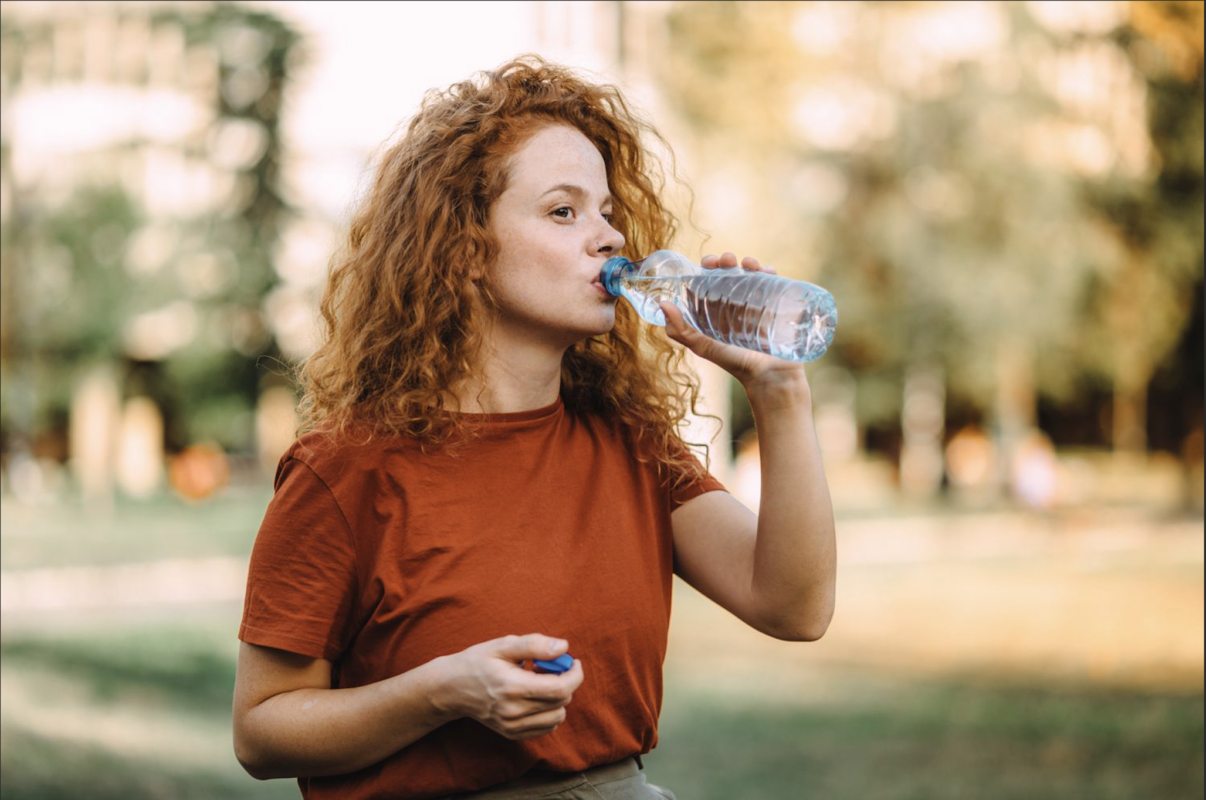
Bottled Water
Multiple studies have found microplastic particles in many bottled water products, though concentrations vary significantly between brands and packaging methods.
Researchers believe both the bottle itself and the bottling process contribute to contamination.
Glass bottles may reduce one potential source of plastic exposure, although no packaging system is completely immune from environmental contamination.
Tea Bags
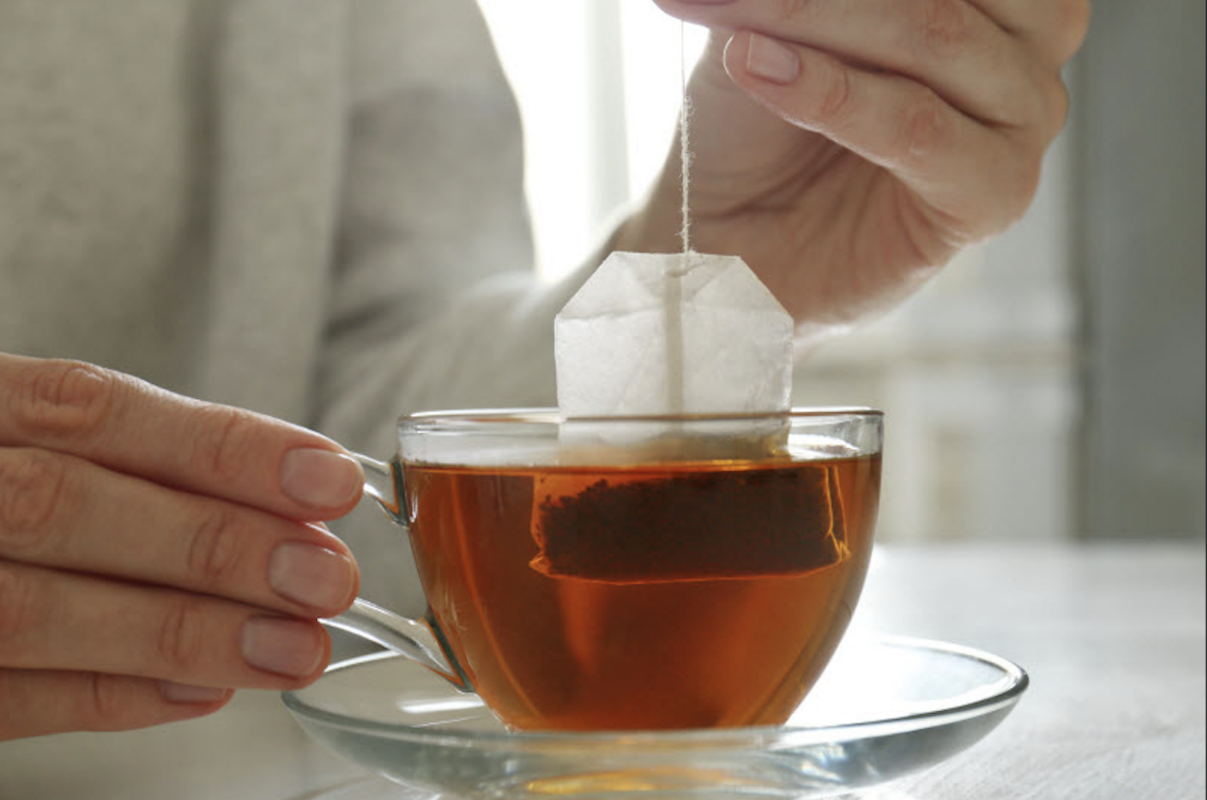
Some heat-sealed tea bags made with plastic mesh or plastic-based sealing materials have been shown to release large numbers of microplastic particles when steeped in hot water.
Loose-leaf tea or paper tea bags that are certified plastic-free may be preferable alternatives.
Synthetic Clothing
Athletic apparel made from polyester, nylon, acrylic, and other synthetic fibers sheds microscopic plastic fibers during washing.
These fibers eventually enter wastewater systems and contribute to environmental microplastic pollution.
Natural fibers like organic cotton, linen, hemp, and wool generally shed biodegradable fibers instead.
Plastic Food Containers
Heating food inside certain plastic containers can increase wear and chemical migration, depending on the material and usage conditions.
Many experts recommend using glass containers for reheating meals whenever possible.
Brands Helping Consumers Reduce Plastic Exposure
Although no company can realistically claim to eliminate all microplastic exposure, many brands are designing products that minimize unnecessary plastic contact.
LifeFactory
Known for glass water bottles protected by silicone sleeves, LifeFactory offers an alternative to single-use plastic bottles while maintaining portability.
Hydro Flask
Hydro Flask’s insulated stainless steel bottles help reduce dependence on disposable plastic beverage containers.
Klean Kanteen
One of the pioneers in stainless steel drinkware, Klean Kanteen focuses on reusable bottles, food containers, and lunch boxes.
Stasher
Reusable platinum silicone storage bags provide an alternative to disposable plastic sandwich and freezer bags.
Caraway
Caraway manufactures ceramic-coated cookware designed without intentionally added PFAS and offers kitchen products that reduce reliance on plastic utensils and storage.
While these products cannot guarantee “zero microplastics,” they can help reduce avoidable contact with disposable plastics in everyday life.
Can Any Product Truly Claim “Zero Microplastics”?
Consumers are increasingly searching for products marketed as “microplastic-free.”
The reality is more nuanced.
Independent scientific testing capable of verifying absolute zero microplastic contamination across every production batch remains extremely difficult.
Instead, reputable companies often focus on:
- Plastic-free packaging
- Glass or stainless steel construction
- Natural ingredients
- Natural fibers
- Reduced synthetic materials
- Transparent manufacturing practices
Claims of “zero microplastics” should be viewed cautiously unless supported by credible third-party testing and clear methodology.
Food Choices That May Reduce Exposure
Researchers continue studying how food packaging influences microplastic exposure.
Many experts suggest practical strategies such as:
- Choosing fresh foods over heavily packaged foods
- Using glass storage containers
- Avoiding microwaving food in plastic
- Drinking filtered tap water when appropriate
- Limiting single-use plastic packaging when practical
These habits may reduce overall exposure while also supporting broader sustainability goals.
Innovation Is Driving New Testing Technologies
The growing public interest in microplastics has also created opportunities for startups and laboratory companies.
Researchers are developing faster analytical methods capable of identifying increasingly smaller particles in:
- Drinking water
- Food
- Cosmetics
- Household products
- Consumer packaging
As testing technology improves, consumers can expect greater transparency regarding product materials and manufacturing practices.
The Wellness Industry Is Responding
Just as consumers began demanding cleaner ingredient labels over the past decade, many are now looking beyond ingredient lists and examining the materials surrounding those ingredients.
This shift is influencing industries including:
- Food and beverage
- Kitchenware
- Apparel
- Beauty
- Baby products
- Home goods
- Outdoor equipment
Brands that embrace transparency and thoughtfully reduce unnecessary plastics may gain a competitive advantage as consumer awareness continues to grow.
What We Still Don’t Know
Despite growing concern, it’s important to separate established science from speculation.
Researchers have clearly demonstrated that humans are exposed to microplastics and that these particles can be detected in various tissues.
However, major scientific questions remain, including:
- Which particle sizes matter most?
- What exposure levels pose meaningful health risks?
- How long do particles remain in the body?
- Can the body eliminate them efficiently?
- Which interventions actually reduce long-term exposure?
Large, long-term studies are still needed before definitive health conclusions can be made.
The Bottom Line
Microplastics are becoming one of the defining consumer health conversations of 2026.
While it may be impossible to eliminate exposure entirely, reducing unnecessary contact with plastics is becoming easier thanks to growing product innovation, improved testing technologies, and greater consumer awareness.
Simple changes—such as switching to reusable stainless steel bottles, glass food storage, plastic-free tea bags, and natural fiber clothing—can help lower exposure while supporting more sustainable habits.
As science continues to evolve, consumers will likely have access to better testing, clearer labeling, and smarter product design. Until then, the most practical approach is to focus on evidence-based choices, remain skeptical of exaggerated marketing claims, and prioritize products from companies that are transparent about the materials they use. Everyday products may be affecting you more than you think, check out Vital Report’s article on bluetooth headphones effect on the body.
Frequently Asked Questions
Are microplastics harmful to humans?
Researchers have detected microplastics in the human body, but scientists are still studying their long-term health effects. Current evidence supports reducing unnecessary exposure where practical.
Which everyday products may release more microplastics?
Studies have found higher microplastic release from products such as worn plastic cutting boards, some bottled water, certain plastic tea bags, synthetic clothing, and frequently used plastic food containers.
Can water filters remove microplastics?
Many high-quality filtration systems can reduce microplastic particles, though effectiveness varies depending on filter design and particle size.
Are stainless steel and glass better alternatives?
Glass and stainless steel generally reduce direct contact between food or beverages and plastic, making them popular alternatives for storage bottles and containers.
Is it possible to completely avoid microplastics?
No. Microplastics are widespread in the environment. The goal is not perfection but reducing avoidable exposure through practical everyday choices.