
Smart rings have spent years promising to help consumers better understand their health.
They track sleep.
Measure heart rate.
Monitor recovery.
And estimate how the body responds to everyday activity.
But as wearable technology becomes more sophisticated, one question is becoming increasingly important.
Can these devices move beyond wellness insights and into medically regulated health monitoring?
RingConn is taking another step in that direction.
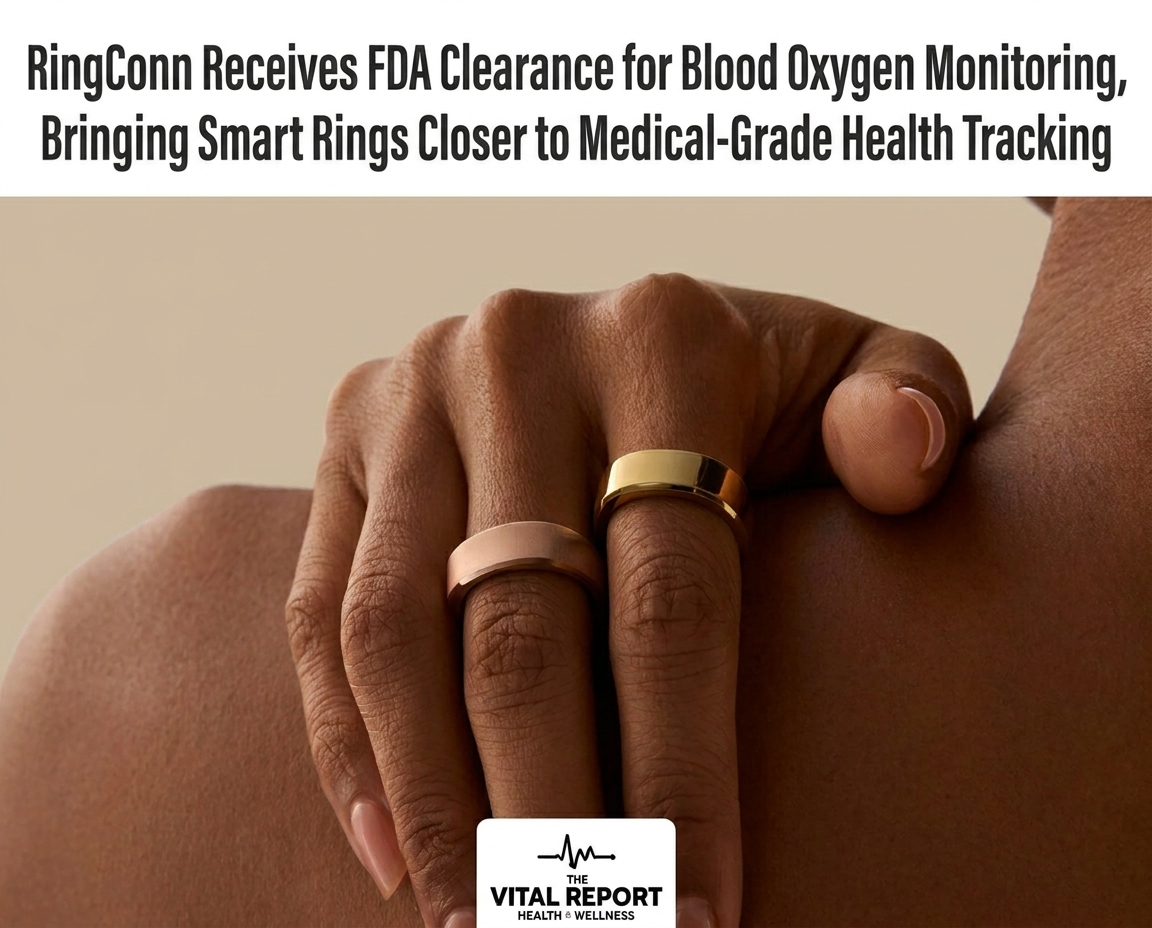
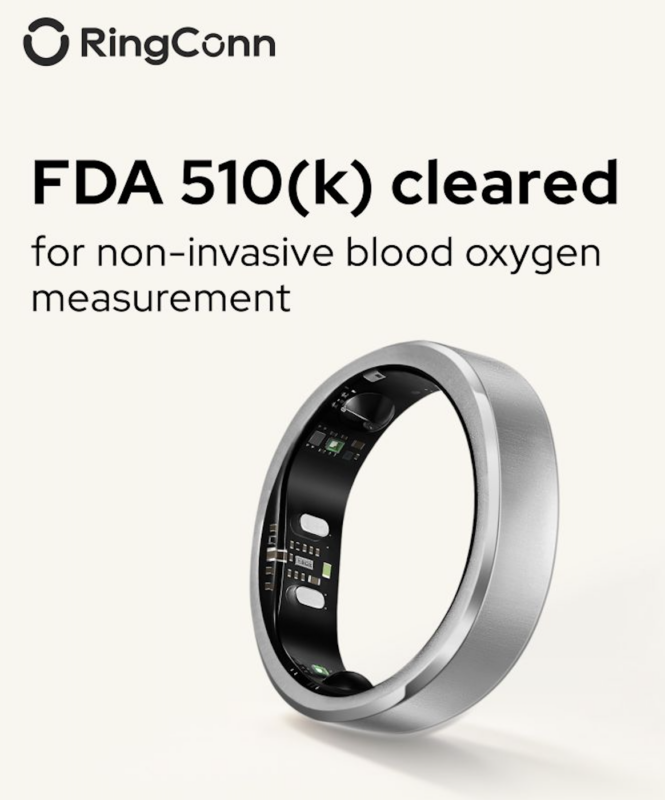
On October 10, 2026, Shenzhen Ninenovo Technology Limited, the parent company of RingConn, announced that it had received U.S. Food and Drug Administration 510(k) clearance for noninvasive blood oxygen saturation monitoring.
The clearance, identified as K260490, covers the company’s Ninenovo Blood Oxygen Ring, a finger-worn pulse oximeter designed to measure blood oxygen levels.
The FDA issued its decision on October 2, determining that the device was substantially equivalent to an already legally marketed medical device.
For RingConn, the announcement represents an important regulatory milestone.
But there is a distinction consumers should understand.
The clearance applies to the specifically named Ninenovo Blood Oxygen Ring, not automatically to every RingConn consumer smart ring or its sleep apnea monitoring features.
That distinction matters as wearable companies increasingly promote technology that sits somewhere between consumer wellness and medical monitoring.
And it makes RingConn’s latest development particularly interesting.
The company is building a regulatory foundation for health-monitoring technology that could eventually extend beyond the familiar sleep and recovery scores displayed by today’s smart rings.
What Exactly Did RingConn Get FDA Clearance For?
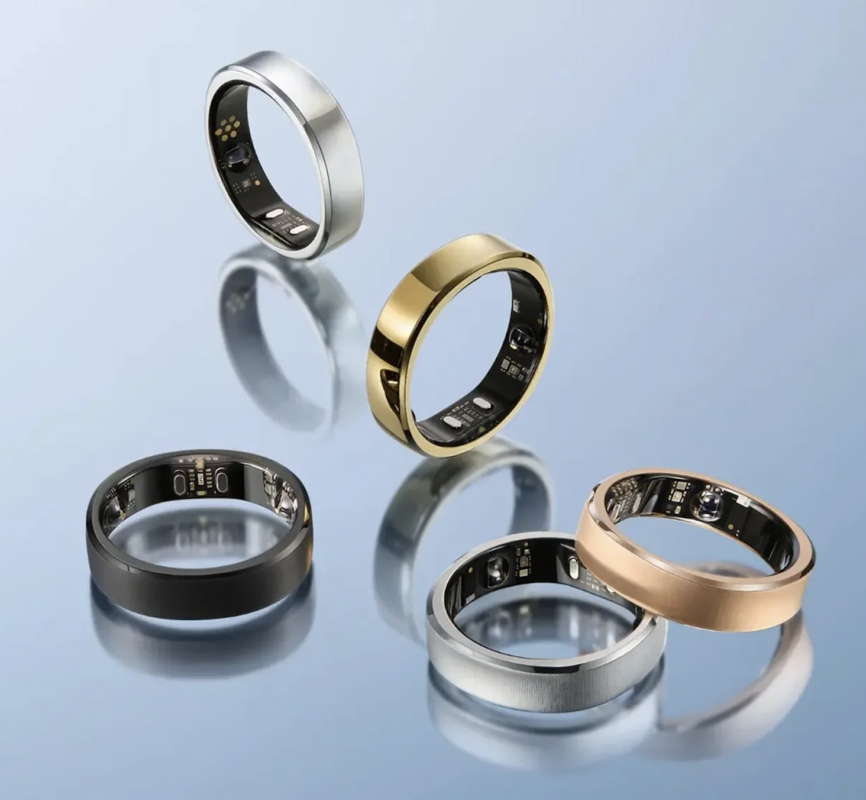
The FDA clearance covers a specific medical device called the Ninenovo Blood Oxygen Ring.
According to the FDA’s official 510(k) database, the device is classified as an oximeter under regulation 21 CFR 870.2700.
The clearance includes model numbers BORMB-01-6 through BORMB-01-14.
That detail is important because regulatory clearance is tied to particular devices and their intended uses.
It doesn’t automatically extend to an entire product family.
The Ninenovo Blood Oxygen Ring is designed for noninvasive blood oxygen saturation measurement, commonly known as SpO2 monitoring.
Blood oxygen saturation represents the percentage of hemoglobin in the blood carrying oxygen.
It is an important physiological measurement because oxygen delivery is essential for normal organ and tissue function.
Traditional pulse oximeters commonly attach to a fingertip and use optical sensors to estimate oxygen saturation.
Ninenovo’s device incorporates similar measurement principles into a ring-shaped form factor.
The FDA’s decision allows the cleared device to be marketed for its specified medical use, subject to applicable regulatory requirements.
However, the clearance does not establish that RingConn’s existing consumer smart rings are approved or cleared for medical diagnosis.
The distinction is particularly relevant to the company’s Gen 2 and Gen 3 models, which already offer consumer-oriented health and sleep monitoring features.
How Does RingConn Measure Blood Oxygen?
The cleared device uses photoplethysmography, commonly abbreviated as PPG.
PPG is an optical sensing technique that measures changes in light associated with blood volume in tissue.
Wearable devices use variations of this technology to estimate physiological signals such as heart rate.
Pulse oximetry applies optical measurements to estimate the percentage of oxygenated hemoglobin in the blood.
According to RingConn’s October 10 announcement, the company’s technology combines PPG sensors with additional engineering to support noninvasive SpO2 measurements.
The goal is to integrate blood oxygen monitoring into a compact device worn on the finger.
That approach offers a different experience from conventional fingertip pulse oximeters.
Instead of attaching a separate device whenever a measurement is needed, a ring-shaped monitor can potentially support repeated measurements while remaining relatively unobtrusive.
However, measurement accuracy can be influenced by several factors.
Movement, circulation, sensor placement, skin characteristics, and environmental conditions can affect optical readings.
These limitations apply broadly to pulse oximetry technology, although their impact varies by device.
The FDA has emphasized that pulse oximeters can produce inaccurate readings under certain circumstances and should be interpreted alongside symptoms and clinical information.
RingConn’s announcement says the company continues conducting clinical research related to blood oxygen monitoring.
That ongoing work will be important for understanding how its technology performs across different users and conditions.
Why FDA 510(k) Clearance Matters
The term FDA-cleared is increasingly appearing in wearable technology announcements.
But it doesn’t mean the same thing as FDA-approved.
Under the 510(k) pathway, a manufacturer demonstrates that its device is substantially equivalent to another legally marketed device, known as a predicate.
The FDA evaluates the submission to determine whether the new device meets the requirements for clearance.
That process differs from the premarket approval pathway used for certain higher-risk medical devices.
For Ninenovo, the FDA determined that its Blood Oxygen Ring met the substantial-equivalence requirements.
The decision was issued October 2, 2026.
According to the FDA’s device record, the submission was received February 13, meaning the regulatory review process extended across several months.
For RingConn, that decision provides a foundation for expanding into regulated health-monitoring applications.
It also distinguishes the cleared Ninenovo device from the many consumer wearables that provide wellness estimates without medical-device clearance for those functions.
But the clearance is specific.
It does not mean that every measurement or feature offered by RingConn has been independently evaluated by the FDA.
Nor does it establish that the device can diagnose sleep apnea, respiratory disease, or other medical conditions.
Blood Oxygen Is Becoming an Important Wearable Metric
Blood oxygen monitoring has become an increasingly familiar feature in consumer electronics.
Smartwatches and smart rings often display SpO2 estimates alongside heart rate, sleep duration, and other measurements.
But blood oxygen monitoring has a longer history in healthcare.
Pulse oximeters are used in clinical environments to help assess oxygenation.
They can also be useful in certain home-monitoring situations when recommended by a healthcare professional.
The technology works by estimating oxygen saturation without requiring a blood sample.
For wearable manufacturers, integrating this capability into compact devices presents an opportunity to make physiological monitoring more convenient.
RingConn’s development reflects that broader ambition.
A ring is small enough to be worn during sleep and throughout much of the day.
Its placement on the finger also creates opportunities for optical sensing.
However, convenience does not eliminate the need for measurement accuracy.
The FDA has warned that pulse oximeters have limitations, including potential differences in performance across skin pigmentation and other patient characteristics.
For a wearable device intended for medical applications, reliable measurements across different populations are especially important.
The question isn’t simply whether a ring can display a blood oxygen number.
It’s whether that number is sufficiently accurate for its intended use.
Does This Mean RingConn’s Sleep Apnea Monitoring Is FDA-Cleared?
No.
And this is one of the most important distinctions surrounding the announcement.
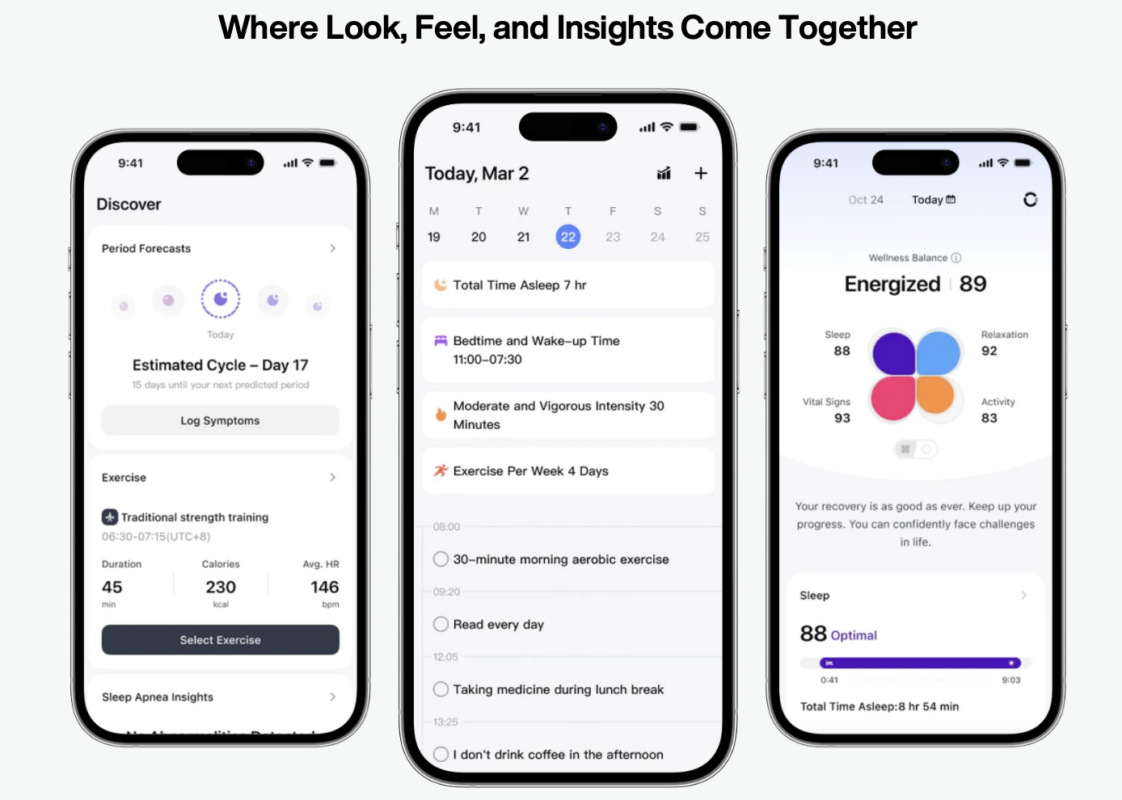
RingConn’s consumer smart rings have attracted attention for their sleep apnea monitoring capabilities.
The company’s Gen 2 model introduced sleep apnea-related monitoring as a major product feature.
The technology uses overnight physiological measurements to identify patterns potentially associated with disrupted breathing.
But the FDA clearance announced in October applies to blood oxygen measurement through the Ninenovo Blood Oxygen Ring.
It is not a clearance for sleep apnea diagnosis or screening.
According to independent reporting examining the FDA filing, the regulatory record does not establish that the clearance extends to RingConn’s Gen 3 consumer model.
The Gen 3 continues to be marketed as a wellness device.
This distinction matters because blood oxygen measurement and sleep apnea detection are related but separate capabilities.
Obstructive sleep apnea occurs when the upper airway repeatedly becomes blocked during sleep.
Those interruptions can reduce blood oxygen levels.
But a drop in oxygen saturation doesn’t automatically establish that a person has sleep apnea.
And normal oxygen readings do not necessarily rule it out.
Diagnosing sleep apnea generally requires a clinical evaluation and an appropriate sleep study.
A consumer wearable may help identify patterns worth discussing with a healthcare professional, but its insights should not replace medical testing.
Why Sleep Apnea Remains a Major Opportunity
Sleep apnea has become one of the most closely watched applications for advanced wearables.
The condition can disrupt sleep and contribute to daytime sleepiness.
Untreated obstructive sleep apnea is also associated with cardiovascular and metabolic health risks.
Yet many people experiencing symptoms may not recognize the underlying cause.
That creates an opportunity for technologies that can help identify possible breathing disturbances during sleep.
RingConn has already made sleep apnea-related monitoring a prominent part of its consumer product strategy.
Its Gen 2 smart ring introduced a feature intended to monitor patterns associated with sleep apnea.
The company has continued developing sleep-focused capabilities across its product lineup.
But the clinical and regulatory standards for detecting a possible health condition are different from those for general wellness tracking.
The American Academy of Sleep Medicine emphasizes the importance of appropriate clinical evaluation and diagnostic testing for suspected sleep apnea.
A wearable that tracks blood oxygen may contribute useful information.
However, it cannot automatically determine the cause of abnormal readings.
For RingConn, the FDA clearance is therefore a milestone in blood oxygen monitoring, not confirmation that its sleep apnea feature has reached the same regulatory status.
RingConn Is Competing in a Crowded Smart Ring Market
The announcement also arrives during a period of increasing competition in wearable health technology.
Smart rings have become popular alternatives to traditional wrist-worn trackers.
Their appeal is based partly on convenience.
Unlike a smartwatch, a smart ring doesn’t require a large display.
It can collect physiological information while remaining relatively discreet.
That makes the form factor particularly attractive for overnight tracking.
RingConn competes with companies including Oura and Samsung, both of which have invested heavily in sleep and health-monitoring capabilities.
The competitive landscape is also shifting toward more advanced health features.
Manufacturers are exploring ways to move beyond basic activity and recovery metrics.
Blood oxygen monitoring, breathing disturbance analysis, cardiovascular signals, and other measurements are becoming important areas of development.
RingConn’s FDA clearance could strengthen its position as it develops regulated devices.
But regulatory achievements must be interpreted precisely.
The cleared Ninenovo device is not automatically interchangeable with the RingConn Gen 3.
Consumers should verify the exact model and intended use before assuming a product offers an FDA-cleared medical feature.
From Wellness Tracking to Regulated Medical Devices
The broader significance of RingConn’s announcement extends beyond blood oxygen.
It reflects an important transition underway in consumer health technology.
For years, wearable companies focused primarily on general wellness.
They provided sleep scores, readiness estimates, activity summaries, and recovery recommendations.
Those insights could be useful, but they were not necessarily designed to diagnose or monitor medical conditions.
Now manufacturers are increasingly exploring regulated applications.
The shift creates opportunities for devices that consumers can wear comfortably while collecting clinically relevant measurements.
But it also introduces greater responsibilities.
Manufacturers must establish the performance of their devices for specific intended uses.
They need to communicate limitations clearly.
And they must distinguish wellness insights from medically validated functions.
RingConn’s parent company has now completed one step in that process for its Blood Oxygen Ring.
The challenge ahead will be translating that regulatory progress into products and capabilities that consumers and healthcare professionals can use appropriately.
What Comes Next for RingConn?
RingConn says it will continue clinical research and development related to blood oxygen monitoring.
The company also has an established international presence.
According to its October announcement, RingConn products are available in more than 190 countries and regions.
The brand has obtained certifications and regulatory markings across multiple markets, including the United States, Europe, Japan, the United Kingdom, and Australia.
However, those certifications serve different purposes and shouldn’t be treated as equivalent to FDA medical-device clearance.
For the newly cleared Blood Oxygen Ring, important commercial questions remain.
RingConn has not provided a complete public rollout schedule for the specific Ninenovo models named in the FDA filing.
The company also has not established that existing Gen 2 or Gen 3 owners will receive the cleared medical capability through a software update.
Those details will matter as the company moves from regulatory announcement to commercial implementation.
For consumers, the safest approach is to evaluate the exact device being offered rather than relying on a broad claim about the RingConn brand.
The Bottom Line
RingConn’s parent company, Shenzhen Ninenovo Technology Limited, has received FDA 510(k) clearance for the Ninenovo Blood Oxygen Ring.
The decision, issued October 2 and announced October 10, 2026, covers noninvasive blood oxygen saturation measurement.
The device uses optical sensing technology to estimate SpO2 through a compact ring-shaped form factor.
For RingConn, the clearance represents an important step toward regulated health-monitoring technology.
But the scope is narrower than a blanket approval of the company’s consumer smart rings.
The FDA decision applies to specific Ninenovo Blood Oxygen Ring models.
It does not automatically cover RingConn Gen 2, Gen 3, or their sleep apnea-related wellness features.
That distinction is essential as wearable companies increasingly move into health applications traditionally associated with medical devices.
The industry is evolving from simply collecting wellness data toward developing measurements that may serve more clearly defined clinical purposes.
RingConn’s clearance is one milestone in that transition.
The next chapter of smart rings may not be about tracking more information.
It may be about making certain measurements reliable enough to meet medical-device standards.