

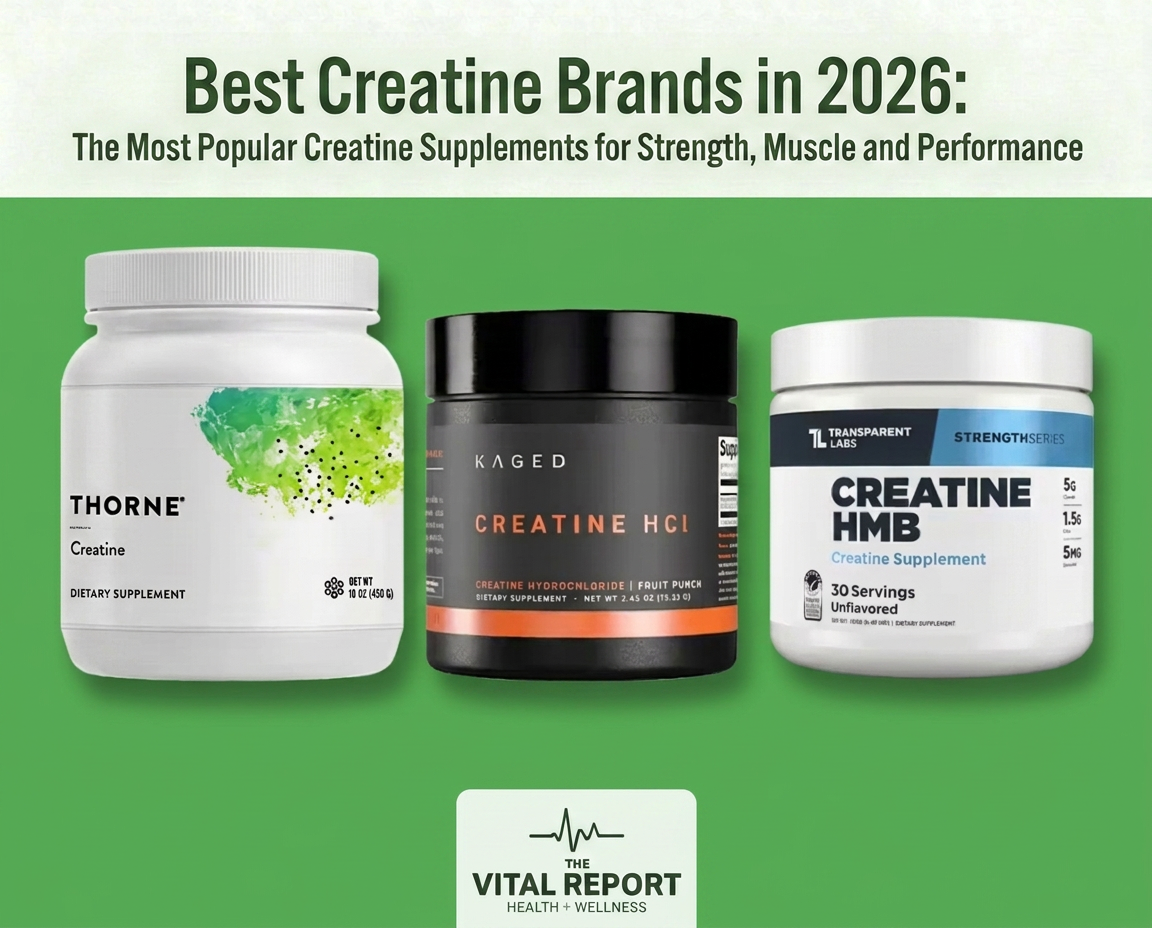
Creatine has gone from a supplement associated primarily with bodybuilders to one of the most mainstream products in the health, fitness, and performance industry.
Walk into almost any gym today and you will find athletes, recreational lifters, runners, and everyday fitness enthusiasts adding creatine to their daily routines. At the same time, supplement companies have responded with everything from traditional creatine powders to flavored drink mixes, capsules, gummies, and premium third-party-tested formulations.
The reason behind the surge is relatively simple: creatine is one of the most extensively researched sports supplements available.
Research reviewed by the National Institutes of Health Office of Dietary Supplements indicates that creatine supplementation can improve strength, power, and performance during repeated bouts of high-intensity exercise. A major position statement published in the Journal of the International Society of Sports Nutrition similarly concluded that creatine monohydrate is one of the most effective nutritional supplements available for increasing high-intensity exercise capacity and supporting gains in lean body mass during training.
But with hundreds of creatine products now competing for attention, consumers face another question:
Which creatine brands are actually worth buying?
Here is a closer look at some of the most popular creatine brands in 2026, what separates them from one another, and what consumers should look for when choosing a creatine supplement.
Why Is Creatine So Popular?
Creatine is a naturally occurring compound made from amino acids and stored primarily in skeletal muscle.
During short bursts of intense activity—think sprinting, jumping, or heavy resistance training—the body relies heavily on adenosine triphosphate, better known as ATP, for energy.
Creatine helps replenish ATP by increasing the body’s phosphocreatine stores. In simple terms, having more stored creatine can help the muscles rapidly regenerate energy during high-intensity exercise.
That can translate into the ability to perform another repetition, maintain power during repeated efforts, or train at a higher intensity.
According to the International Society of Sports Nutrition, creatine supplementation has consistently been associated with increases in intramuscular creatine concentrations and improvements in high-intensity exercise performance and training adaptations.
For many healthy adults, a common maintenance strategy is approximately 3–5 grams of creatine monohydrate per day. Some people use a temporary loading phase before transitioning to a maintenance dose, although loading is not required to eventually increase muscle creatine stores.
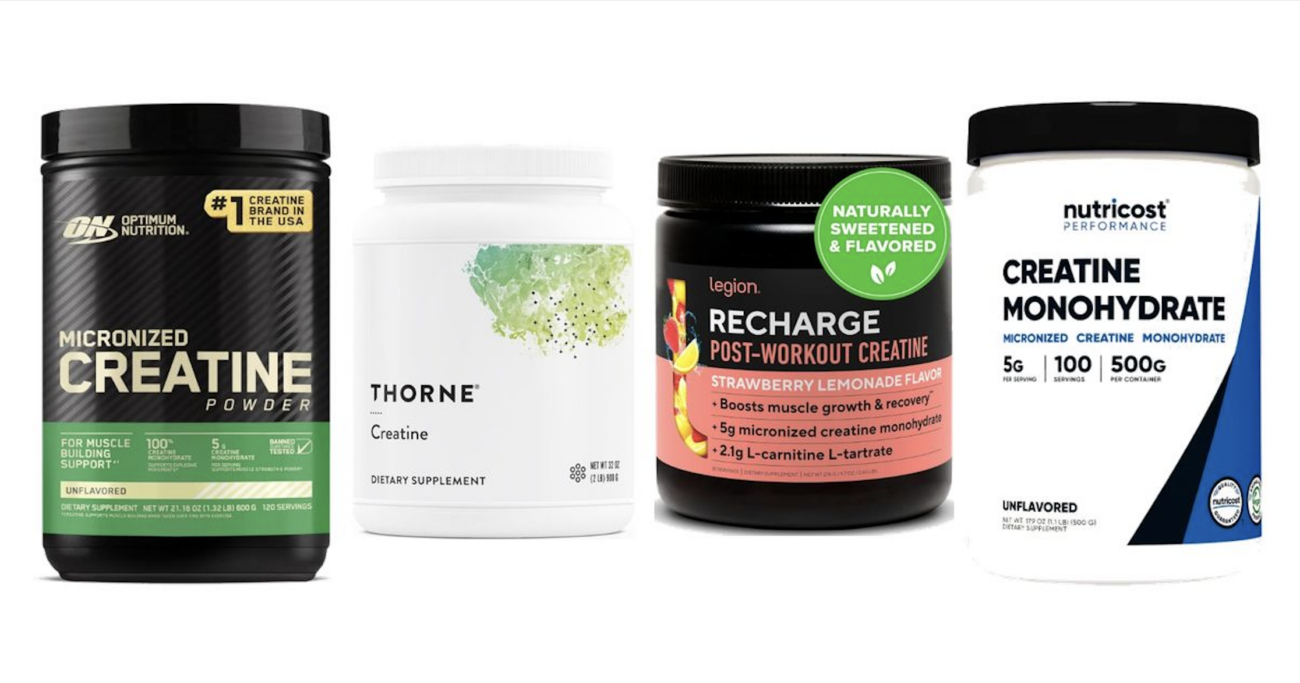
1. Optimum Nutrition Creatine
One of the most recognizable names in sports nutrition is Optimum Nutrition.
The company behind Gold Standard Whey also produces several creatine products, including its popular Micronized Creatine Powder.
The formula keeps things straightforward: its standard powder provides 5 grams of creatine monohydrate per serving.
Optimum Nutrition also micronizes the creatine powder, which means the particles are made smaller to improve mixability. That can make it easier to stir into water, juice, protein shakes, or other beverages.
The company now sells creatine in several formats, including:
- Micronized creatine powder
- Creatine capsules
- Creatine gummies
- Flavored creatine products
Optimum Nutrition’s combination of widespread availability, recognizable branding, relatively affordable pricing, and simple formulations has helped make it one of the biggest names in the creatine category.
Best for: Consumers looking for an affordable, widely available creatine monohydrate.
2. Thorne Creatine
For consumers who prioritize supplement testing and sports certification, Thorne has become another major player.
Thorne’s creatine uses micronized creatine monohydrate and is NSF Certified for Sport, an important distinction for competitive athletes who need to be particularly careful about contaminants and prohibited substances in supplements.
The product is intentionally simple rather than filled with additional ingredients.
That simplicity is arguably one of creatine’s biggest advantages.
Creatine monohydrate already has decades of research behind it, meaning consumers do not necessarily need complicated proprietary blends to receive the benefits associated with creatine supplementation.
Thorne has also increasingly marketed creatine beyond traditional bodybuilding, highlighting potential applications around cellular energy and cognitive performance in addition to exercise.
Researchers are actively investigating creatine’s potential effects beyond skeletal muscle, although many of these emerging applications require more research before definitive conclusions can be made.
Best for: Athletes and consumers prioritizing third-party certification and a minimalist formula.
3. Momentous Creatine
Momentous has positioned itself toward serious athletes and performance-focused consumers.
Its creatine provides pure creatine monohydrate while emphasizing extensive quality testing and certification.
Momentous says its current Signature Spec Creatine undergoes a six-stage testing protocol and is NSF Certified for Sport. The company also emphasizes testing for contaminants and ultrafine micronization designed to improve mixability.
Those features make Momentous particularly appealing to consumers who are willing to pay more for additional quality-control measures.
It also reflects a broader shift occurring throughout the supplement industry.
Consumers increasingly want more than a recognizable ingredient. They want transparency around sourcing, manufacturing, testing, purity, and contaminants.
Creatine is becoming part of that movement.
4. Klean Athlete Creatine
Klean Athlete is another sports nutrition company built heavily around athletes and ingredient transparency.
Klean Creatine contains 5 grams of creatine monohydrate per serving with no additional ingredients listed in the formula.
That makes it one of the simplest options on this list.
For consumers overwhelmed by supplements containing long lists of additives, flavors, sweeteners, and proprietary ingredients, this type of formula can be appealing.
One scoop. Creatine monohydrate. That’s essentially it.
Klean Athlete has also built its broader brand around sports performance and supplement quality, making it particularly relevant for competitive athletes.
Best for: Athletes looking for a straightforward creatine product without additional ingredients.
5. Kaged Creatine Monohydrate
Kaged has built a strong following in the bodybuilding and performance nutrition community.
Its standard Creatine Monohydrate product provides 5 grams of micronized creatine monohydrate per serving.
Kaged also states that every batch is independently verified through Informed Sport testing for prohibited substances and other contaminants.
Another advantage is value.
Creatine itself is relatively inexpensive to manufacture compared with many newer sports supplements. Kaged’s traditional monohydrate product offers a large number of servings without adding numerous additional ingredients.
The company has also expanded its creatine lineup to include alternative formats and formulations, reflecting how competitive the creatine market has become.
Best for: Gym-goers who want a performance-oriented creatine with third-party testing at a relatively accessible price.
Creatine Monohydrate vs. Other Types of Creatine
Consumers browsing supplement stores may encounter several different forms of creatine.
These can include:
- Creatine monohydrate
- Creatine hydrochloride (HCl)
- Buffered creatine
- Creatine nitrate
- Creatine citrate
- Creatine gummies
- Creatine blends
Despite all of the alternatives, creatine monohydrate remains the form with the strongest research foundation.
The International Society of Sports Nutrition describes creatine monohydrate as the most extensively studied and clinically effective form of creatine for increasing muscular creatine uptake and improving high-intensity exercise capacity.
That doesn’t necessarily mean every alternative form is ineffective.
It simply means consumers should be skeptical of claims suggesting a newer form of creatine is automatically superior to monohydrate.
Sometimes the simplest option remains the best-supported one.
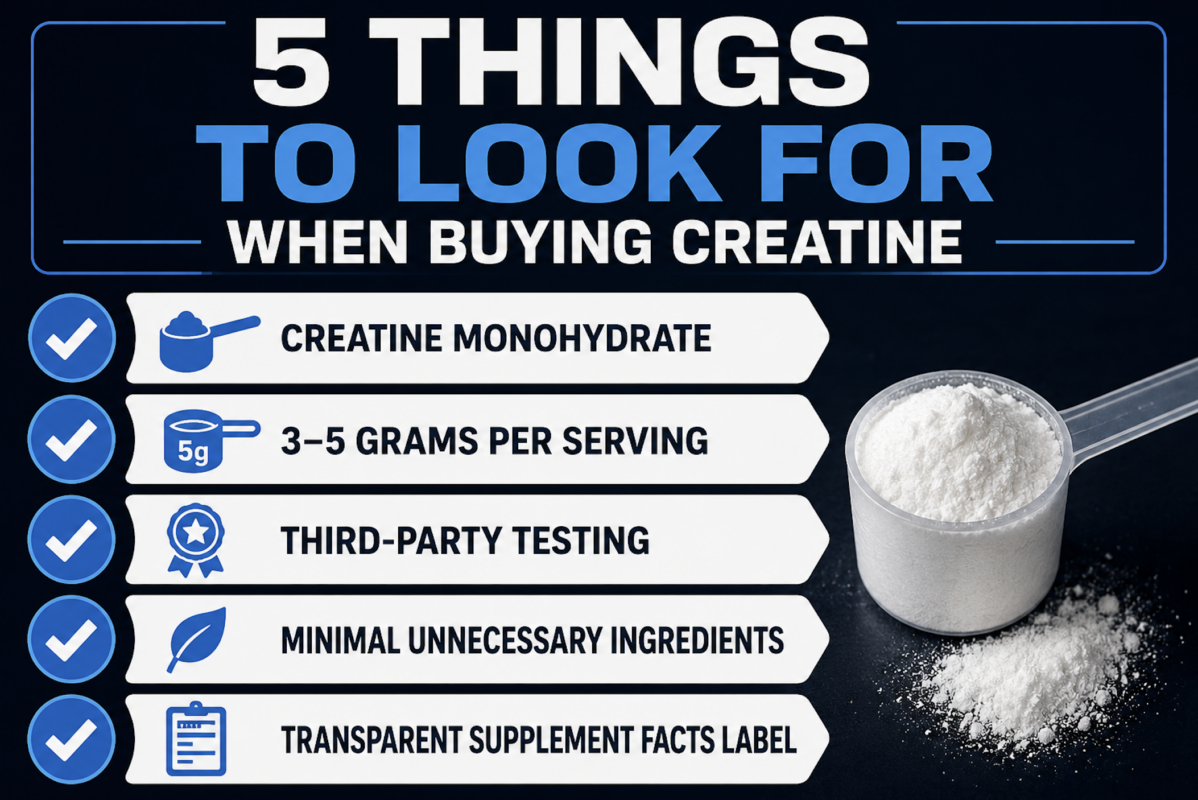
What Should You Look for When Buying Creatine?
The explosion of creatine products means consumers should pay attention to more than packaging and influencer endorsements.
1. Creatine Monohydrate
For most people, creatine monohydrate remains the logical starting point because it has the largest body of research supporting its effectiveness.
2. Around 3–5 Grams Per Serving
Many popular products provide approximately 5 grams per scoop, making daily dosing straightforward.
3. Third-Party Testing
Look for reputable third-party certification or testing programs, particularly if you are a competitive athlete.
Programs such as NSF Certified for Sport and Informed Sport can provide additional assurance that products have undergone testing.
4. Minimal Additional Ingredients
Unflavored creatine monohydrate often needs only one ingredient: creatine monohydrate.
Additional flavors or ingredients are not automatically bad, but consumers should understand what they are paying for.
5. Transparent Labeling
Avoid products that hide ingredient quantities inside proprietary blends.
A good creatine supplement should make it extremely easy to determine exactly how much creatine you are consuming.
Does Creatine Cause Water Weight?
One of the most common concerns surrounding creatine is weight gain.
Creatine can increase water retention, particularly because additional water is stored within muscle tissue as creatine stores increase.
That means the number on the scale may increase after beginning supplementation.
However, that should not automatically be confused with gaining body fat.
The NIH notes that weight gain associated with increased water retention is one of the commonly observed effects of creatine supplementation.
Over longer periods, creatine may also indirectly support increases in lean mass by allowing people to train more effectively.
Is Creatine Safe?
Creatine has been studied extensively.
For healthy adults, research generally supports a strong safety profile when creatine monohydrate is consumed appropriately. The ISSN’s review found that both short- and longer-term supplementation has been well tolerated in studied populations.
However, supplements are not appropriate for everyone.
People with kidney disease, those taking medications that affect kidney function, pregnant or breastfeeding individuals, or anyone with significant medical conditions should speak with a qualified healthcare professional before starting creatine or other supplements.
Consumers should also remember that dietary supplements are not regulated exactly like prescription medications, making product quality and independent testing particularly important.
Creatine Is Becoming Bigger Than Bodybuilding
Perhaps the most interesting development surrounding creatine is how dramatically its audience has expanded.
Creatine was once marketed almost exclusively through bodybuilding magazines and supplement stores.
Today, the conversation includes:
- Strength and resistance training
- Healthy aging
- Women’s fitness
- Athletic performance
- Recovery
- Cognitive health research
- Muscle preservation
- Everyday wellness
That evolution resembles what happened with protein powder.
Protein supplements gradually moved from hardcore bodybuilding culture into mainstream nutrition. Creatine appears to be following a similar path.
For consumers interested in the broader supplement and performance nutrition industry, Vital Report’s guide on whether whey protein is good for you explores another supplement category that has made a similar transition from bodybuilding staple to mainstream wellness product.
Which Creatine Brand Is Best?
There isn’t necessarily one creatine brand that is best for everyone.
For value and widespread availability, Optimum Nutrition is difficult to ignore.
For consumers who prioritize sports certification and premium supplement quality, Thorne and Momentous stand out.
Klean Athlete offers an extremely straightforward formulation aimed heavily at athletes, while Kaged combines accessible pricing with performance-focused branding and third-party testing.
More importantly, consumers should focus on the product itself rather than simply the logo on the container.
A simple, third-party-tested creatine monohydrate providing an appropriate dose may be more valuable than an expensive proprietary formulation promising dramatically better results.
The Bottom Line
Creatine has earned an unusual position in the supplement industry.
Unlike many trendy performance ingredients that become popular before substantial research exists, creatine has decades of scientific literature supporting its use.
Research suggests that creatine monohydrate can help increase muscle creatine stores and improve performance during repeated high-intensity exercise. Combined with resistance training, it can also support improvements in strength and lean body mass.
Brands including Optimum Nutrition, Thorne, Momentous, Klean Athlete, and Kaged have become popular options by offering different combinations of affordability, third-party testing, convenience, and premium positioning.
But the fundamental ingredient remains surprisingly simple.
For most consumers considering creatine, the priorities should be straightforward: choose creatine monohydrate, look for transparent dosing and reputable quality testing, and remain consistent with daily supplementation.
As creatine continues moving beyond bodybuilding and into the broader health and wellness market, it may ultimately become one of the most mainstream supplements of the decade.
Frequently Asked Questions
What is the best type of creatine?
Creatine monohydrate has the strongest body of scientific research supporting its effectiveness and remains the standard against which other forms of creatine are compared.
How much creatine should you take per day?
A commonly studied maintenance intake is approximately 3–5 grams per day. Individual needs can vary, and people with medical conditions should discuss supplementation with a healthcare professional.
Do you need to load creatine?
No. A loading phase can increase muscle creatine stores more quickly, but consistently taking roughly 3–5 grams daily can also increase stores over several weeks.
Should you take creatine before or after your workout?
Consistency appears to matter more than finding a perfect time of day. Many people simply take creatine whenever it is easiest to remember.
Can women take creatine?
Creatine is not a male-specific supplement. Research on creatine includes applications relevant to both men and women, although individual goals, diet, health status, and training can affect outcomes.
Is expensive creatine better?
Not necessarily. Creatine monohydrate itself is a relatively simple ingredient. Premium products may justify higher prices through additional testing, certifications, sourcing standards, or convenience, but a higher price does not automatically mean greater performance benefits.