

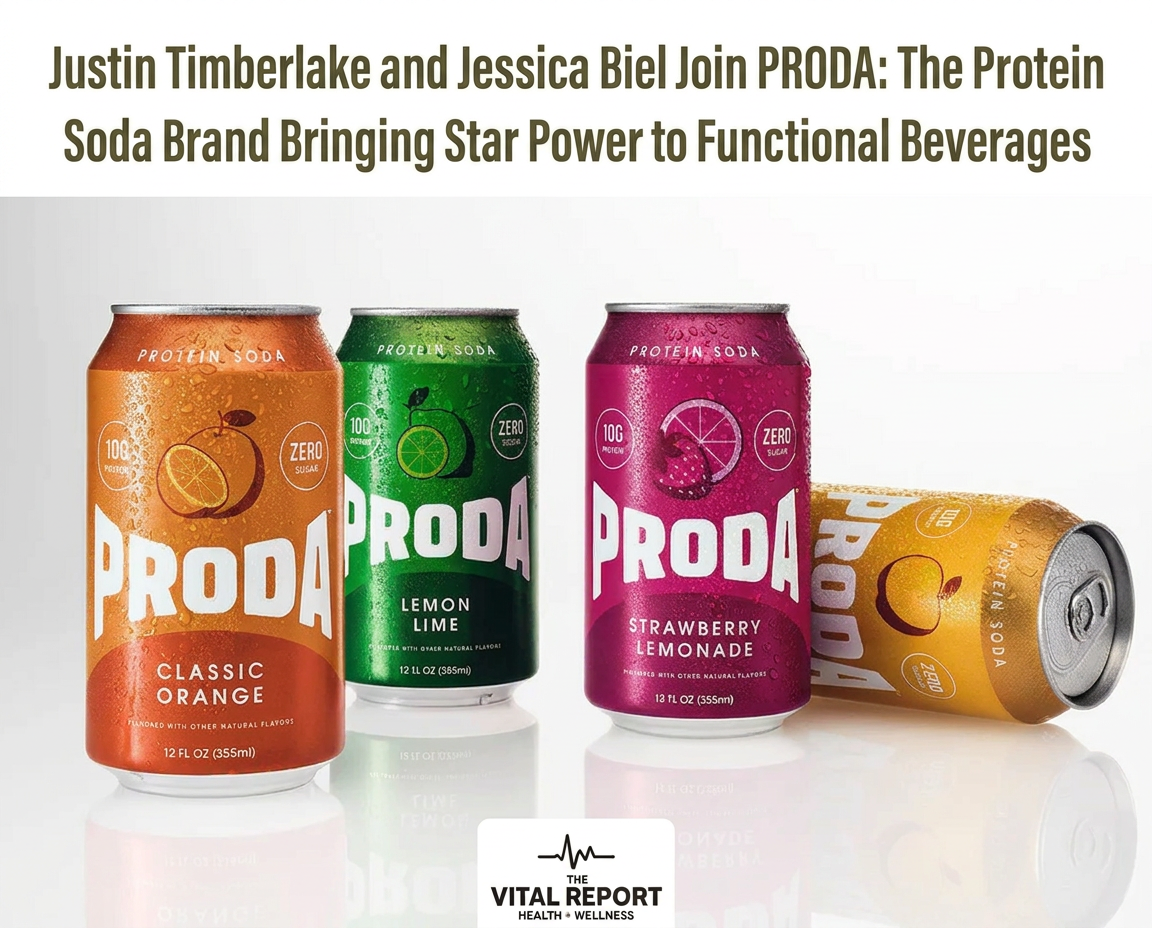
SEO Suggested Title: Justin Timberlake and Jessica Biel Join PRODA as Co-Founders of Protein Soda Brand
Meta Description: Justin Timberlake and Jessica Biel join PRODA as co-founders, bringing celebrity influence to the fast-growing protein soda category.
SEO Keywords: PRODA protein soda, Justin Timberlake PRODA, Jessica Biel PRODA, protein soda 2026, PRODA founders, Jeff Church, Matthew Postlethwaite, clear whey protein, zero sugar soda, functional beverages, celebrity beverage brands
Six months after entering the beverage market, PRODA is bringing some serious star power to protein soda.
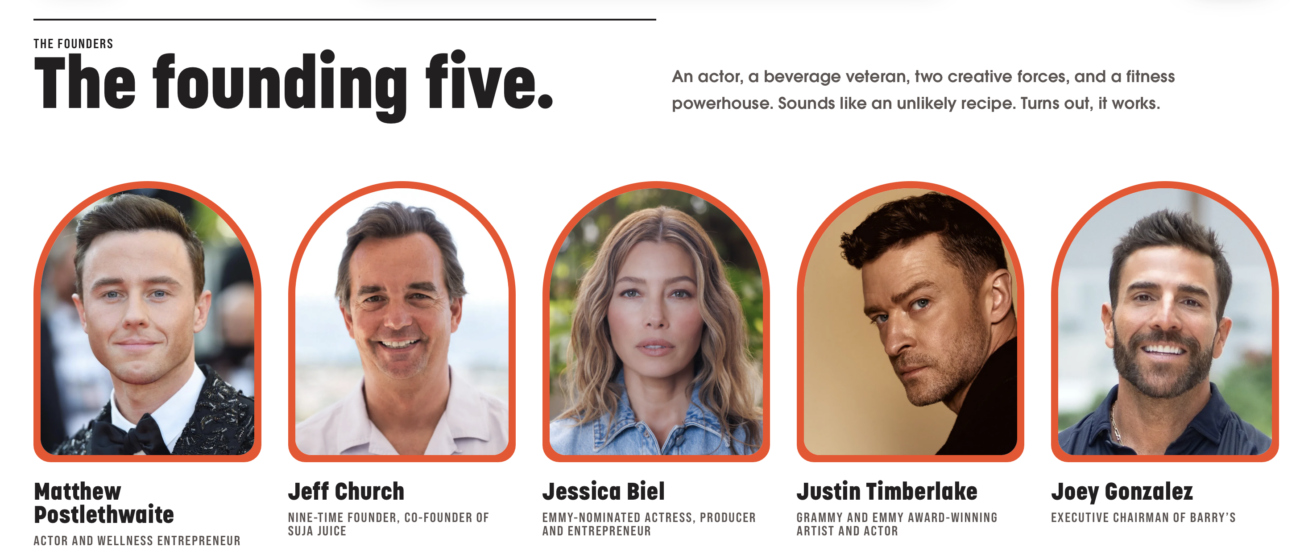
Justin Timberlake and Jessica Biel have officially joined the emerging functional beverage company as co-founders, marking the couple’s first joint business venture.
They’re joining an existing leadership team that includes actor and wellness entrepreneur Matthew Postlethwaite and Suja Juice co-founder Jeff Church. Joey Gonzalez, executive chairman of Barry’s, is also joining as a co-founder.
The announcement comes as PRODA looks to expand beyond its initial retail footprint and establish itself in one of the beverage industry’s newest categories.
Protein soda.
Each 12-ounce can delivers 10 grams of complete whey protein, zero sugar, and approximately 45 calories, combining familiar soda flavors with the nutritional positioning of a protein supplement.
According to PRODA’s October 13 announcement, Timberlake and Biel will help shape creative strategy, flavor innovation, product development, and cultural partnerships.
But this isn’t simply another celebrity endorsement.
PRODA is betting that the combination of entertainment, fitness, and beverage industry experience can help turn protein soda from an emerging novelty into a mainstream grocery staple.
And with protein appearing in nearly every corner of the food industry, soda may be the next major category to get a functional makeover.
Timberlake and Biel Are More Than Brand Ambassadors
Celebrity involvement in consumer products is nothing new.
Athletes launch energy drinks.
Actors invest in spirits.
Musicians partner with snack companies.
But PRODA is positioning Timberlake and Biel differently.
The couple isn’t simply appearing in advertisements or lending their names to an existing product.
They’re joining as co-founders with responsibilities extending into the company’s creative and commercial direction.
According to PRODA’s official announcement, their involvement will include flavor innovation, product development, creative strategy, and cultural partnerships.
That gives them a role in shaping how the brand develops, rather than exclusively promoting what already exists.
The partnership also represents Timberlake and Biel’s first joint business venture.
Both have previous experience in consumer products.
Timberlake served as an investor and chief flavor officer at Bai, the antioxidant beverage company acquired by Dr Pepper Snapple Group in 2017.
Biel previously co-founded Kinderfarms, a children’s health and wellness company offering products including hydration beverages and plant-based protein shakes.
According to Inc.’s coverage of the partnership, those experiences provide both celebrities with familiarity in the beverage and wellness industries.
For PRODA, the appeal goes beyond celebrity recognition.
Timberlake brings experience with flavor-focused beverage marketing.
Biel brings experience in family-oriented wellness products.
Together, they offer the company another way to connect protein consumption with everyday lifestyles.
What Is PRODA Protein Soda?
PRODA is built around a straightforward idea.
What if soda could provide protein without tasting like a protein shake?
Traditional protein beverages are typically thick, creamy, and associated with workouts or meal replacement.
PRODA takes a different approach.
The company uses a proprietary clear whey protein isolate formulation designed to create a lighter, carbonated beverage.
Each 12-ounce can contains:
- 10 grams of complete whey protein
- Zero sugar
- Approximately 45 calories
- 3 grams of fiber
- No caffeine
- No lactose, according to the company
The beverages are also marketed as gluten-free and made with natural ingredients.
Unlike a traditional protein shake, PRODA is intended to deliver a crisp, soda-like drinking experience.
That distinction is central to the company’s positioning.
Consumers don’t necessarily need to drink PRODA after a workout.
They can drink it with lunch.
During the afternoon.
Or whenever they would normally reach for a soda.
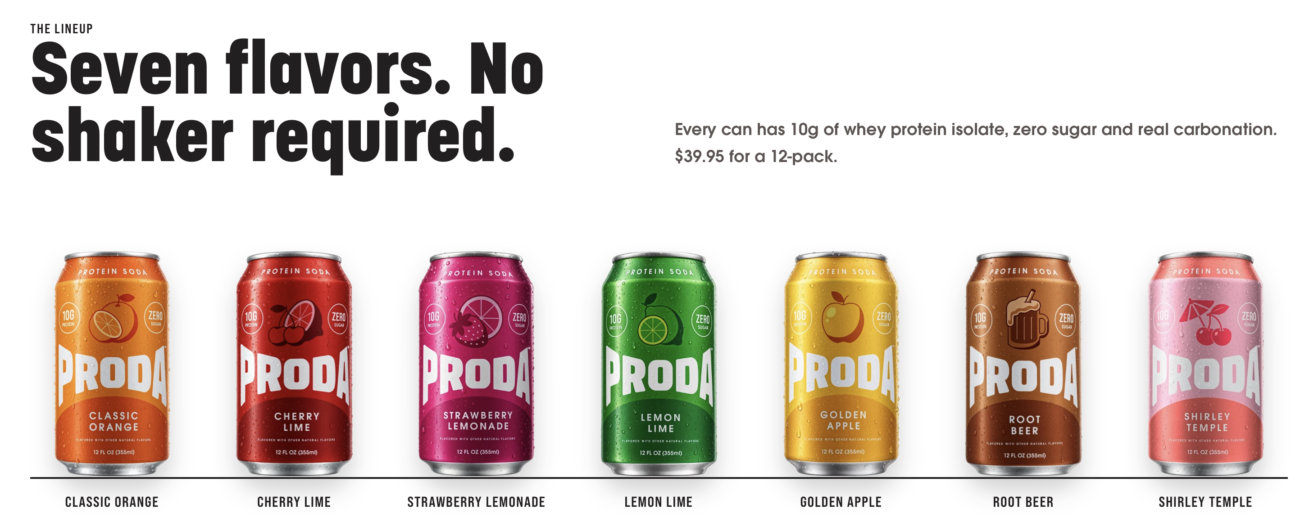
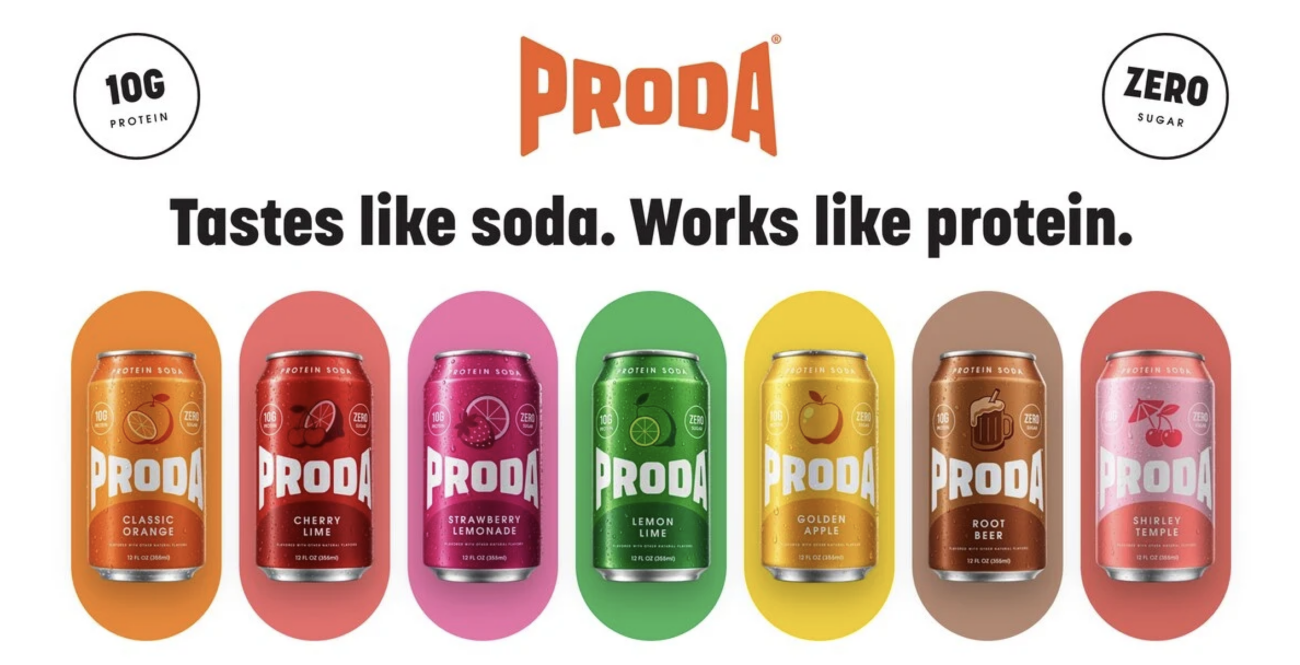
The company currently offers seven flavors:
Classic Orange, Cherry Lime, Strawberry Lemonade, Lemon Lime, Golden Apple, Root Beer, and Shirley Temple.
The flavor lineup is intentionally familiar.
Rather than introducing unusual functional ingredients through unfamiliar tastes, PRODA is recreating recognizable soda experiences.
And that’s becoming an increasingly common strategy across better-for-you food and beverage brands.
Why Clear Whey Protein Matters
The most technically interesting part of PRODA is its protein formulation.
Whey protein has been used in shakes, powders, and nutritional products for decades.
But incorporating meaningful amounts of protein into a clear, carbonated beverage creates different formulation challenges.
Traditional whey protein can produce cloudiness, undesirable textures, and off-flavors.
Those characteristics are especially noticeable in a beverage consumers expect to be light and refreshing.
PRODA uses clear whey protein isolate to address those challenges.
According to a BeverageDaily interview with co-founder Jeff Church, the founders spent more than 18 months and approximately 1,000 hours on research and development.
The objective was to create a protein-containing soda that maintained the drinking experience consumers expect from traditional soft drinks.
The resulting product uses whey protein isolate, which provides all nine essential amino acids.
That makes it a complete protein source.
However, 10 grams per can is less than the 20 to 30 grams commonly found in dedicated protein shakes.
PRODA is therefore better understood as a supplemental source of protein rather than a direct replacement for a high-protein nutritional shake.
And although the company describes its formulation as avoiding the heavy texture associated with protein beverages, taste remains subjective.
In its March product review, BevNET found that PRODA delivered a relatively convincing soda experience, while noting that some whey-related tang remained detectable.
That’s an important consideration.
The company has developed an unusual product.
But the category’s long-term success will depend on whether consumers genuinely enjoy drinking protein soda.
The Founders Have Already Built Major Consumer Brands
PRODA’s leadership team brings together experience across entertainment, beverages, and fitness.
Co-founder Jeff Church previously helped launch Suja Juice, the cold-pressed juice company that became a major player in the natural beverage category.
Suja helped introduce cold-pressed juices to mainstream grocery retailers at a time when the products were still relatively unfamiliar to many consumers.
That experience is relevant to PRODA.
Church has already helped build a beverage brand around an emerging consumer category.
Matthew Postlethwaite brings a different background.
The actor, known for his role in Peaky Blinders, is also a wellness entrepreneur.
Together, the founders developed PRODA around the belief that protein should be easier to incorporate into daily life.
Now they’re adding Timberlake, Biel, and Joey Gonzalez.
Gonzalez serves as executive chairman of Barry’s, the global fitness company known for its high-intensity workout classes.
His involvement gives PRODA another connection to the fitness industry.
But the company isn’t positioning itself exclusively for gym-goers.
The goal is much broader.
PRODA wants protein soda to become an everyday beverage.
And that requires reaching consumers beyond traditional sports nutrition.
Protein Is Becoming an Everyday Ingredient
The timing of PRODA’s expansion reflects a larger shift in consumer nutrition.
Protein is no longer limited to shakes, bars, and bodybuilding supplements.
It’s appearing in cereal.
Coffee.
Pasta.
Ice cream.
Chips.
And even salad dressing.
Consumers are increasingly interested in adding protein to foods and beverages they already enjoy.
According to Food Dive’s reporting, recent Circana research found that 48% of adults are actively seeking more protein in their diets, an increase of seven percentage points from the previous year.
That growing demand creates opportunities for brands to introduce protein into familiar categories.
Vital Report recently explored a similar trend with David Protein’s launch of ready-to-drink milkshakes, highlighting how protein companies are expanding beyond traditional bars and powders.
PRODA follows a related strategy.
But instead of creating another protein shake, the company is targeting soda.
The distinction matters because consumers already have established drinking habits.
Someone may not want a protein shake in the middle of the afternoon.
But they might want a soda.
PRODA is betting that adding protein to that occasion will create a new reason to purchase.
Protein Soda Is Becoming a Competitive Category
PRODA isn’t the only company exploring the intersection of soda and protein.
Other brands are already developing sparkling protein beverages, including offerings from Premier Protein and C4.
That competition demonstrates growing interest in the category.
But it also creates a challenge.
If multiple brands offer carbonated drinks with protein, the ingredient alone may not provide enough differentiation.
Flavor becomes important.
So does price.
Packaging.
Distribution.
And brand recognition.
That’s where Timberlake and Biel could provide an advantage.
Their involvement gives PRODA immediate visibility outside traditional food and beverage industry circles.
It also creates opportunities for cultural partnerships that extend beyond fitness influencers.
However, celebrity recognition doesn’t automatically translate into repeat purchases.
Consumers may try a beverage because of a famous founder.
But they’ll continue buying it only if they like the product and believe it offers sufficient value.
PRODA’s long-term challenge is turning initial curiosity into regular consumption.
PRODA Is Already Available Nationwide at Sprouts
The company has established an initial retail presence through Sprouts Farmers Market.
PRODA is available at Sprouts locations nationwide, as well as through Amazon and its direct-to-consumer website.
The brand’s website currently lists 12-packs at approximately $39.95, or about $3.33 per can.
That positions PRODA above many conventional soft drinks and closer to premium functional beverages.
The pricing reflects the addition of protein and the company’s positioning as a functional product.
But it also raises an important question.
Will consumers pay more than $3 for a soda containing 10 grams of protein?
The answer may depend on whether they see the product primarily as a soda or a protein supplement.
Compared with a traditional soft drink, PRODA is expensive.
Compared with some ready-to-drink protein beverages, the price may appear more competitive.
The company’s next growth phase will likely depend on how effectively it communicates that value.
PRODA has stated that it wants to expand into additional grocery, club, and direct-to-consumer channels.
Specific new retail partnerships have not yet been publicly confirmed.
What Does the Science Say About Protein Soda?
The protein in PRODA is real, but the format doesn’t fundamentally change how protein works in the body.
Protein is essential for maintaining and repairing tissues, supporting muscle function, and producing enzymes and other biological compounds.
Whey protein isolate is a well-established source of complete protein.
But drinking protein in a carbonated soda doesn’t automatically provide superior benefits compared with consuming an equivalent amount through another food or beverage.
The main difference is convenience and consumer preference.
PRODA offers 10 grams of protein in a format that may appeal to people who don’t enjoy traditional shakes.
That can be useful for someone looking to increase protein intake.
However, individual protein requirements vary depending on factors including body size, age, activity level, and overall diet.
For consumers who already meet their protein needs, adding another protein-containing beverage may not provide a meaningful additional benefit.
The product also contains whey, a milk-derived ingredient, making it unsuitable for people with milk protein allergies.
Its zero-sugar formulation shouldn’t be confused with a completely unrestricted health benefit.
As with other functional beverages, the full nutrition label matters.
Celebrity Investment Is Becoming a Brand-Building Strategy
The addition of Timberlake and Biel reflects another trend in consumer products.
Celebrities are increasingly moving beyond endorsement deals into ownership and product development.
That changes the relationship between the celebrity and the brand.
An ambassador helps promote a product.
A co-founder can potentially influence the company’s long-term direction.
For PRODA, Timberlake and Biel’s involvement creates opportunities across several areas.
Creative storytelling.
Product innovation.
New flavors.
Brand partnerships.
And consumer awareness.
The company is also combining different types of influence.
Timberlake and Biel bring entertainment and lifestyle recognition.
Gonzalez brings fitness-industry relationships.
Church brings beverage manufacturing and distribution experience.
Postlethwaite brings entrepreneurial and wellness experience.
Together, the team is attempting to build a brand that can appeal to multiple consumer groups.
That may be particularly important for a product that sits between established categories.
PRODA isn’t simply a soda.
And it isn’t a conventional protein shake.
Its marketing needs to explain why consumers should want something in between.
Can PRODA Become the Next Major Functional Beverage Brand?
The functional beverage industry has already seen several categories move from niche products into mainstream grocery stores.
Cold-pressed juice.
Prebiotic soda.
Energy drinks.
Functional hydration.
And protein shakes.
Protein soda may represent another stage in that evolution.
But there are still questions.
Will consumers embrace the taste?
Will they purchase protein soda regularly?
Can the category grow beyond fitness-oriented shoppers?
And will major beverage companies introduce competing products at scale?
PRODA has already established a retail footprint and attracted high-profile co-founders.
Those are meaningful early advantages.
But the company is still young.
Its future will depend on product performance, repeat purchases, and successful distribution expansion.
Celebrity involvement can accelerate awareness.
It cannot replace those fundamentals.
The Bottom Line
PRODA is making a major move just months after entering the protein soda market.
Justin Timberlake and Jessica Biel have joined the company as co-founders, alongside existing leaders Matthew Postlethwaite and Jeff Church.
Joey Gonzalez, executive chairman of Barry’s, is also joining the founding team.
The company currently offers seven soda-inspired flavors, each containing 10 grams of complete whey protein, zero sugar, and approximately 45 calories per can.
Its products are available nationwide through Sprouts Farmers Market, Amazon, and PRODA’s website.
But the bigger story is what the company is trying to build.
PRODA wants to take protein beyond the gym and make it part of everyday beverage consumption.
The company is combining technical formulation, familiar flavors, experienced beverage leadership, and celebrity influence to compete in a growing functional soda category.
Whether that strategy works will depend on how consumers respond.
But one thing is clear.
Protein has already made its way into nearly every corner of the grocery store.
With PRODA, it’s coming for the soda aisle.