
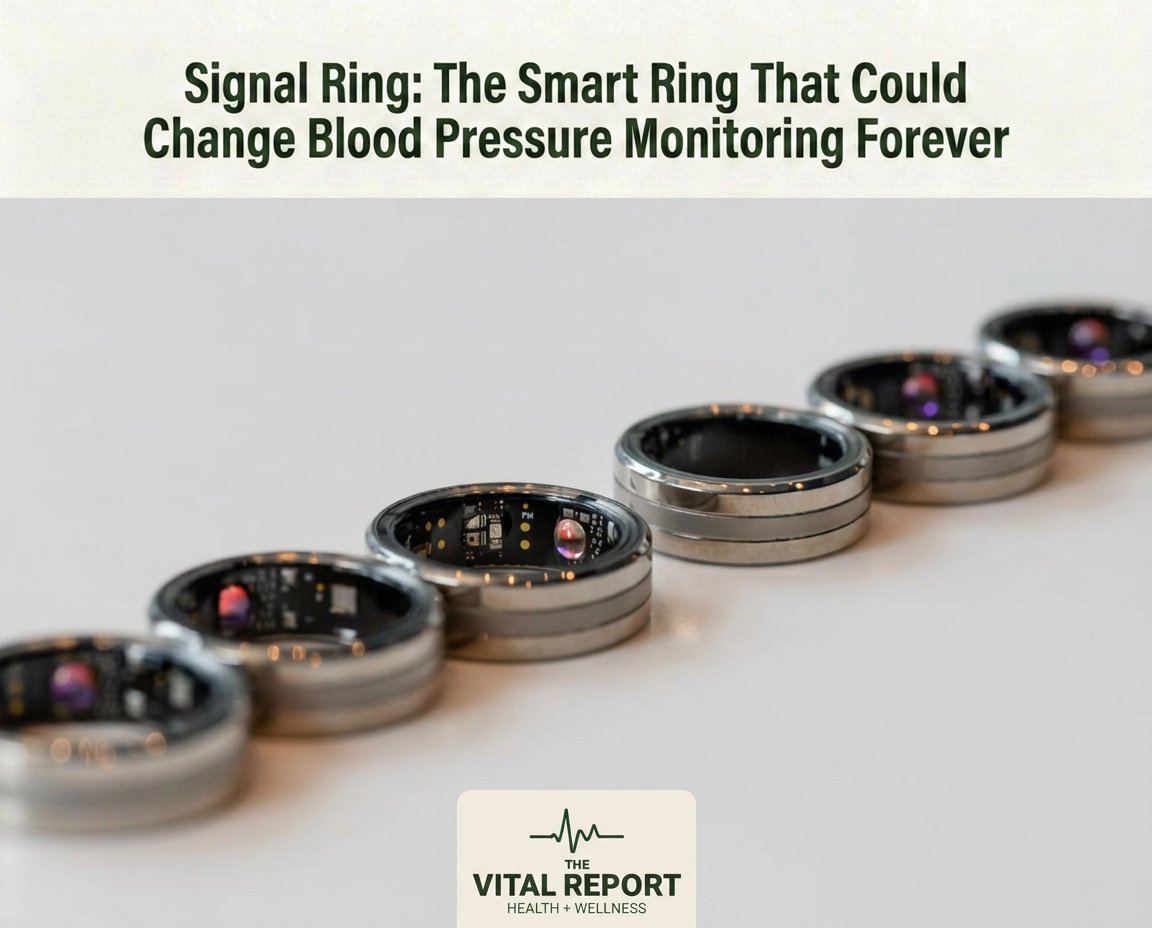
Smart rings have quickly become one of the fastest-growing categories in wearable technology. Over the past few years, devices like the Oura Ring, Ultrahuman, Samsung Galaxy Ring, and RingConn have helped millions of people track sleep, activity, heart rate, and recovery without wearing a bulky smartwatch.
But one major health metric has remained largely out of reach:
Blood pressure.
For decades, measuring blood pressure has required a traditional inflatable cuff, making continuous monitoring inconvenient for most people. While smartwatches and fitness trackers have become increasingly sophisticated, accurate cuffless blood pressure tracking has remained one of the biggest challenges in wearable technology.
Now, Signal Ring believes it has solved that problem.
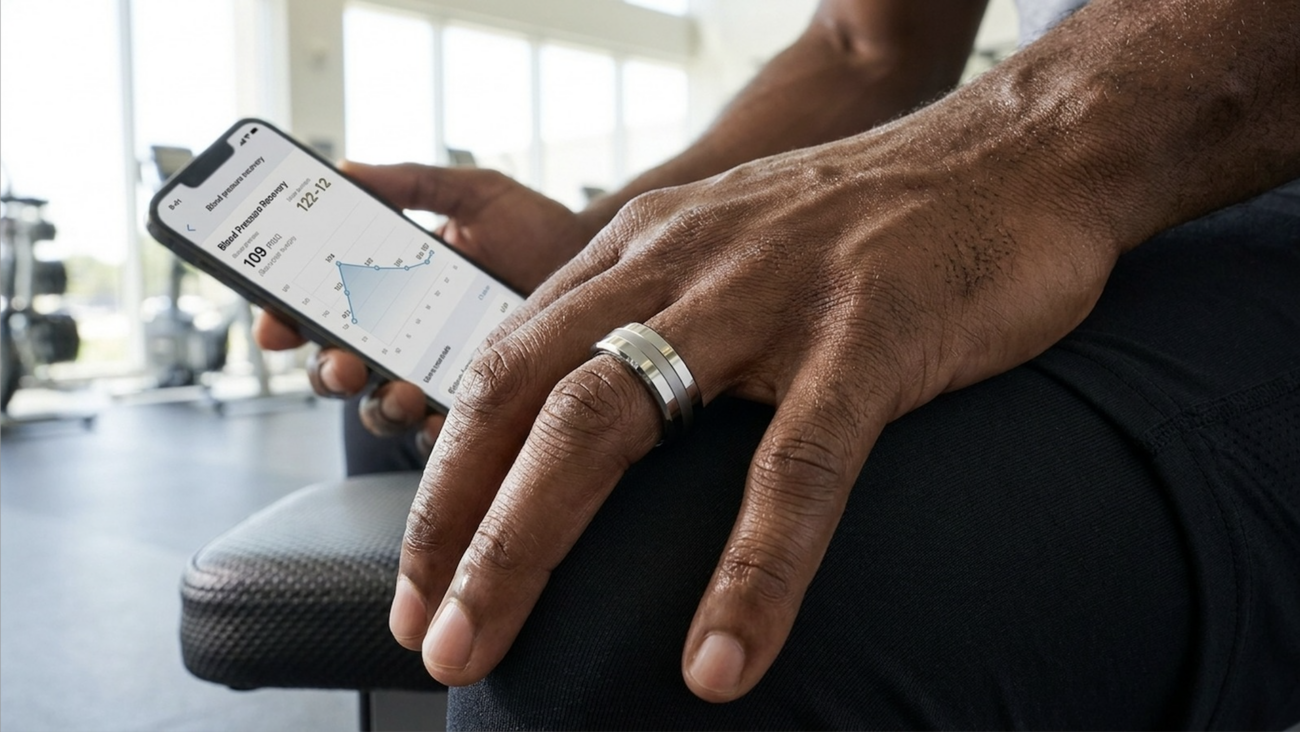
The company recently unveiled what it calls the world’s first truly cuffless blood pressure tracking smart ring, bringing one of healthcare’s most important vital signs into a wearable that can be worn all day, every day.
If the technology performs as promised, Signal Ring could represent one of the biggest advances in preventive healthcare wearables since the launch of the first smart ring.
What Is Signal Ring?
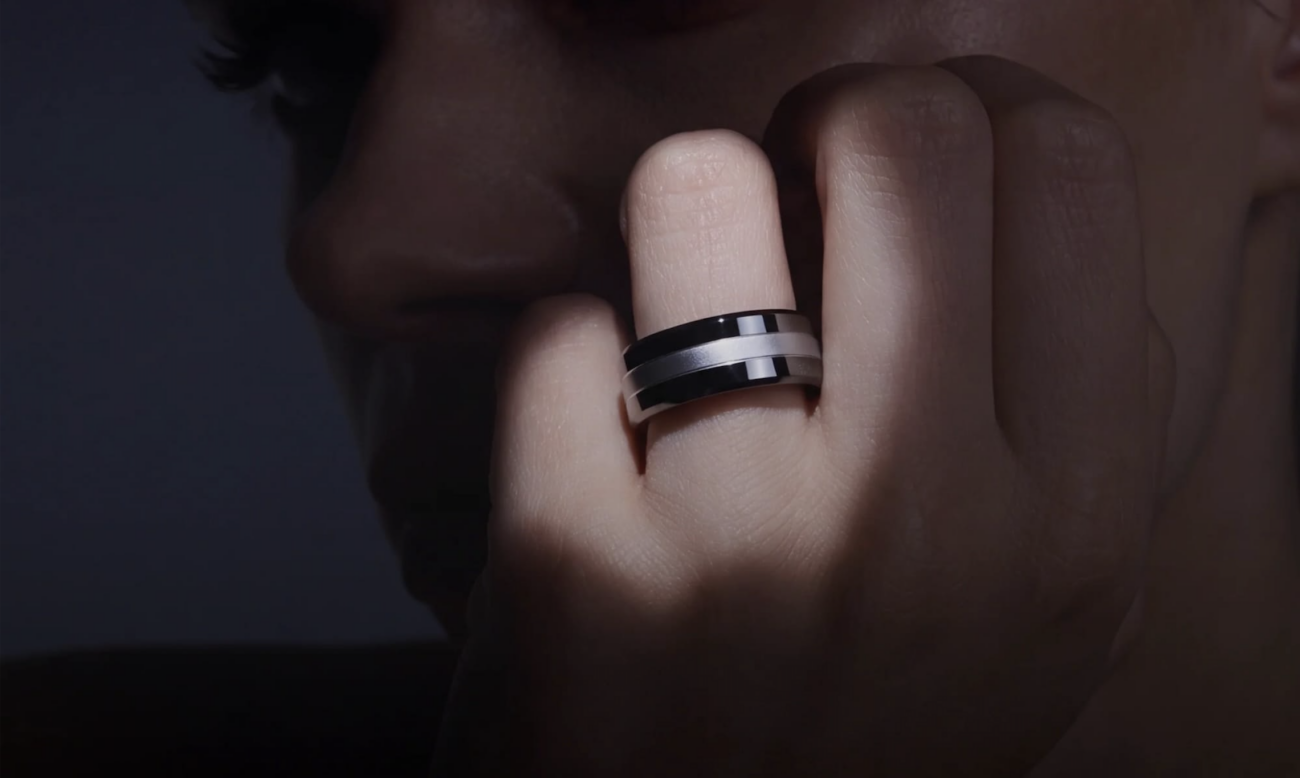
Signal Ring is a next-generation wearable designed specifically around cardiovascular health.
Unlike most smart rings that primarily focus on sleep, activity, and recovery, Signal’s headline feature is continuous cuffless blood pressure monitoring.
According to the company, the ring measures blood pressure directly from the finger using proprietary sensor technology without requiring users to wear a traditional arm cuff throughout the day.
The company says the ring also provides additional health insights including heart rate, activity tracking, and wellness metrics, but blood pressure remains the defining feature that separates Signal from nearly every other wearable currently available.
Why Blood Pressure Matters More Than Ever
Blood pressure is often called the “silent killer.”
Millions of people live with hypertension without realizing it because symptoms frequently don’t appear until damage has already occurred.
According to the American Heart Association, high blood pressure significantly increases the risk of:
• Heart disease
• Stroke
• Kidney disease
• Heart failure
• Cognitive decline
The challenge has always been measurement.
Most people only check their blood pressure during annual doctor’s appointments or when using a home cuff a few times each week.
That provides only isolated snapshots.
Signal Ring hopes to provide something far more valuable:
Continuous trends throughout everyday life.
The Next Frontier in Wearable Technology
Wearables have evolved rapidly over the past decade.
Early fitness trackers counted steps.
Then came heart rate monitoring.
Sleep tracking followed.
Today, smart rings measure recovery, temperature trends, stress, and even menstrual cycle insights.
Blood pressure has remained one of the final frontiers.
Why?
Because measuring blood pressure accurately without inflating a cuff is incredibly difficult.
Signal claims to have developed technology capable of tracking blood pressure continuously from the finger without interrupting the user’s day.
If successful, that would represent one of the most meaningful advancements in wearable health technology in years.
How Signal Ring Compares to Other Smart Rings
The smart ring market has become increasingly competitive.
Companies such as Oura, Samsung, RingConn, and Ultrahuman have all introduced impressive devices focused on recovery, sleep quality, readiness scores, and overall wellness.
Signal enters the market from a completely different angle.
Instead of competing primarily on sleep scores or recovery metrics, it focuses on one of medicine’s most important measurements:
Blood pressure.
That specialization could help Signal carve out its own category within the wearable industry.
Why Continuous Blood Pressure Monitoring Could Be a Game Changer
Traditional blood pressure cuffs provide a single reading.
Real life is much more dynamic.
Blood pressure changes throughout the day based on:
• Exercise
• Stress
• Sleep
• Hydration
• Caffeine
• Diet
• Medication
• Emotional state
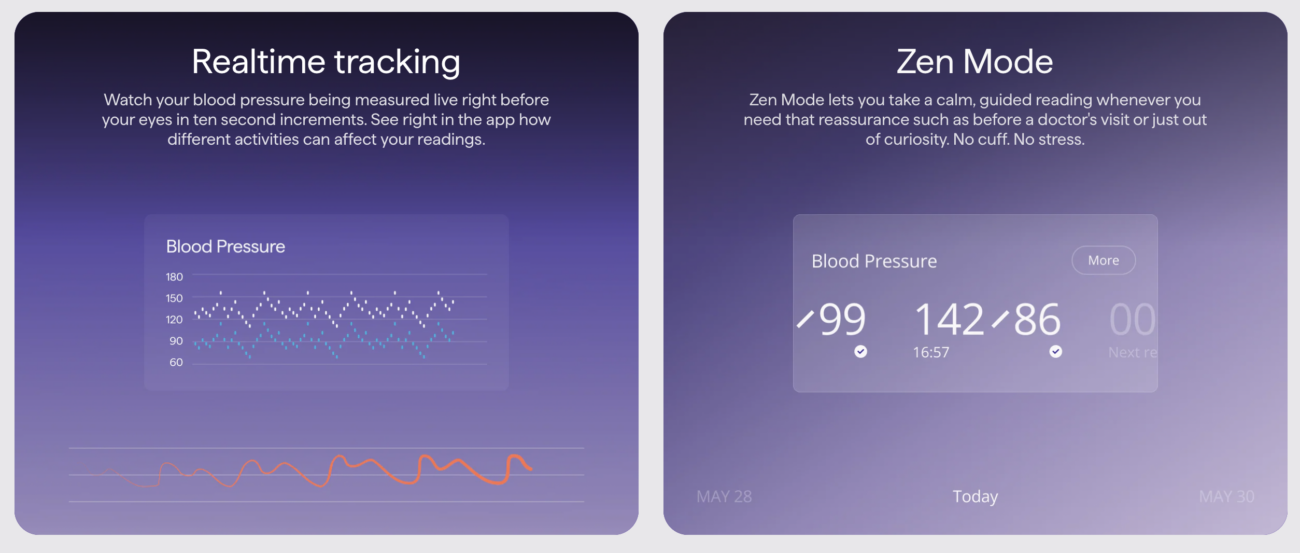
Continuous monitoring could help users better understand how daily habits affect cardiovascular health.
Instead of asking, “What was my blood pressure this morning?”
Users could begin asking:
“What patterns affect my blood pressure every day?”
That shift toward personalized health insights is one of the defining trends in modern wellness.
Preventive Healthcare Is Becoming Personal
Healthcare is increasingly moving away from reactive medicine and toward prevention.
Consumers no longer want to wait until something goes wrong.
They want early insights.
That trend has fueled explosive growth in:
• Continuous glucose monitors
• Smart rings
• AI-powered health platforms
• Full-body scans
• Preventive blood testing
• Sleep tracking technology
Signal Ring fits perfectly into this movement.
Rather than replacing doctors, the device aims to provide users with more information between medical appointments.
For many people, that could encourage earlier conversations with healthcare providers and greater awareness of cardiovascular health.
The Future of Smart Rings
Signal’s launch demonstrates how quickly the smart ring market is evolving.
The first generation focused on sleep.
The second generation emphasized recovery.
The next generation may become comprehensive medical wearables.
Future smart rings could eventually monitor:
• Blood pressure
• Blood glucose
• Hydration
• Respiratory health
• Stress biomarkers
• Cardiovascular risk
Signal is positioning itself at the forefront of that transition.
Why This Matters for Longevity
One of the biggest trends in wellness is longevity.
Consumers are investing in technologies that help them stay healthier for longer rather than simply treating illness after it develops.
Companies like Signal are helping shift healthcare toward proactive monitoring.
Instead of measuring health once a year, wearable technology allows people to better understand what happens every single day.
That continuous feedback can help users make more informed decisions about sleep, exercise, stress management, and nutrition.
Whether you’re an athlete, busy professional, or someone simply interested in healthy aging, access to better cardiovascular data could become increasingly valuable.
Internal Vital Report Recommendation
If you’re interested in the future of wearable health technology, check out our related article:
Best Smart Rings of 2026: Top Smart Rings for Sleep Tracking, Recovery, Health Monitoring, and Fitness
The guide compares today’s leading smart rings, explains their strengths, and explores how wearable technology is transforming preventive healthcare.
What This Means for the Wearable Industry
Signal Ring represents more than another smart ring launch.
It highlights where the entire wearable industry is heading.
Consumers increasingly expect devices to do more than count steps or estimate calories.
They want meaningful health insights that can improve quality of life.
If Signal delivers accurate cuffless blood pressure monitoring at scale, competitors will almost certainly follow.
That could accelerate a new generation of medical-grade wearables designed for everyday consumers.
The result would be smarter devices, better health awareness, and more personalized preventive care than ever before.
Final Thoughts
Signal Ring is entering one of the most exciting periods in wearable technology.
As consumers place greater emphasis on preventive healthcare, cardiovascular wellness, and longevity, devices capable of tracking meaningful health metrics are becoming increasingly valuable.
By focusing on continuous cuffless blood pressure monitoring, Signal is attempting to solve one of the biggest challenges in modern wearables.
Whether it becomes the new industry standard remains to be seen, but the company’s approach reflects a broader movement toward smarter, more proactive healthcare.
For years, smart rings have helped users understand how they sleep.
Signal wants to help users understand how they live.
If successful, that could make it one of the most important wearable launches of 2026.
Frequently Asked Questions
What is Signal Ring?
Signal Ring is a wearable smart ring designed to continuously monitor blood pressure without requiring a traditional inflatable cuff. It also tracks additional health and wellness metrics.
How is Signal Ring different from Oura Ring?
While Oura primarily focuses on sleep, recovery, readiness, and activity tracking, Signal Ring is built around continuous cuffless blood pressure monitoring and cardiovascular health.
Who should consider Signal Ring?
The ring may appeal to individuals interested in monitoring their cardiovascular health, athletes optimizing recovery, people with a family history of hypertension, and anyone focused on preventive healthcare and longevity.
Why is cuffless blood pressure monitoring important?
Continuous blood pressure monitoring could provide a more complete picture of cardiovascular health by showing how blood pressure changes throughout the day, helping users identify patterns and discuss them with their healthcare providers.