
Introduction
Peptides have rapidly become one of the biggest conversations in modern wellness, longevity, recovery, and metabolic health. From athletes and biohackers to doctors and skincare brands, everyone seems to be talking about peptides and their potential to improve health, recovery, aging, and performance.
But what exactly are peptides, and why has interest exploded so dramatically in recent years?
At their core, peptides are short chains of amino acids that act as signaling molecules inside the body. They help regulate countless biological processes including hormone production, tissue repair, immune function, collagen synthesis, metabolism, and even appetite. According to the National Human Genome Research Institute peptide overview, peptides are essential biological molecules composed of amino acids that influence numerous cellular functions.
The growing popularity of GLP-1 medications like Ozempic and Mounjaro has also pushed peptides into the mainstream. Clinical research published in the New England Journal of Medicine Semaglutide Trial demonstrated significant body weight reduction and metabolic improvements in adults with obesity using semaglutide therapy.
However, peptides are far more diverse than most people realize. Some peptides are FDA-approved medications that have been used safely for decades. Others remain experimental research compounds with limited human data.
This guide explores the science behind peptides, how peptide therapy works, the different categories of peptides, their potential benefits, risks, and what consumers should understand before considering peptide-based wellness therapies.
What Are Peptides?
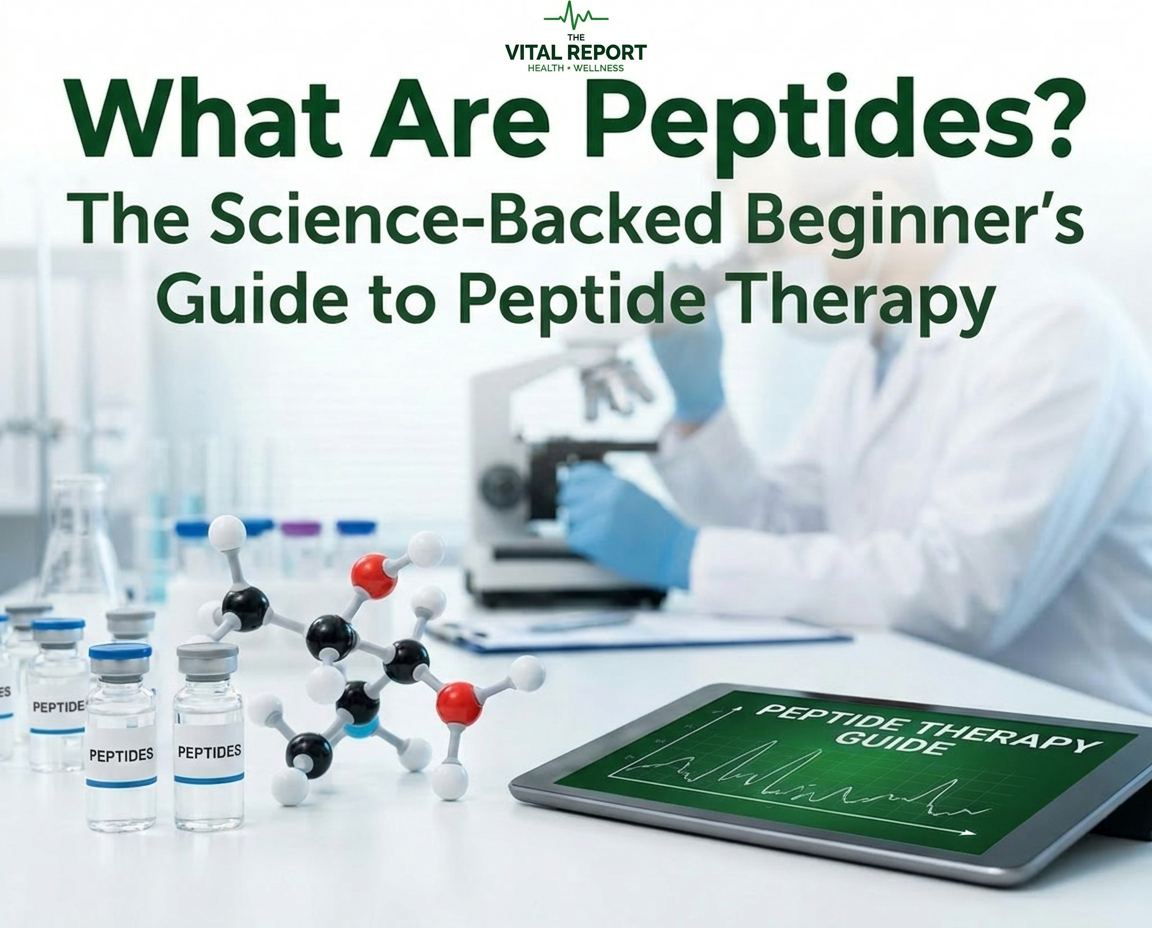
Peptides are short chains of amino acids linked together by peptide bonds. Amino acids are the building blocks of proteins, and peptides are essentially smaller fragments of proteins.
Generally speaking:
- Peptides contain between 2 and 50 amino acids
- Proteins contain longer chains of amino acids
- Peptides occur naturally throughout the body and play critical roles in biological communication
The National Library of Medicine peptide research overview explains that peptides serve as hormones, neurotransmitters, growth factors, ion channel ligands, and anti-infective agents throughout the body.
For example, insulin is one of the most well-known peptide hormones in medicine. It regulates blood sugar levels and has been used therapeutically for over 100 years.
Other naturally occurring peptides include:
- Collagen peptides
- Growth hormone-releasing peptides
- Glucagon-like peptide-1 (GLP-1)
- Oxytocin
- Vasopressin
These compounds function as messengers that tell cells and tissues how to behave.
How Peptides Work in the Body
Peptides work by binding to receptors on cells and triggering specific biological responses.
Think of peptides like keys and receptors like locks. When the correct peptide binds to the correct receptor, a specific process is activated.
Different peptides influence different systems, including:
- Metabolism
- Appetite
- Muscle growth
- Tissue repair
- Immune signaling
- Skin regeneration
- Hormone production
- Sleep regulation
- Inflammation
Because peptides are highly targeted signaling molecules, they often produce more specific effects than broader pharmaceutical drugs. Research published by the National Center for Biotechnology Information on peptide therapeutics discusses how peptides can selectively target receptors and signaling pathways with high specificity.
Why Peptides Are So Popular Right Now
Interest in peptides has exploded due to several overlapping wellness trends:
1. GLP-1 Weight Loss Medications
The massive popularity of semaglutide and tirzepatide introduced millions of people to peptide-based medicine. Studies from JAMA on GLP-1 receptor agonists show substantial improvements in obesity management and metabolic health outcomes.
2. Longevity and Anti-Aging
Consumers are increasingly interested in extending healthspan rather than simply lifespan. Organizations like National Institute on Aging continue researching biological pathways related to aging and regenerative medicine.
3. Athletic Recovery
Recovery-focused wellness has become mainstream among both athletes and everyday consumers. Research into peptide-mediated tissue repair has grown significantly in sports medicine and regenerative therapy literature.
4. Biohacking Culture
The rise of personalized wellness and self-optimization has increased demand for advanced therapies, wearable tracking, metabolic testing, and performance-focused interventions.
5. Regenerative Medicine
Peptides are increasingly discussed within regenerative medicine and performance optimization communities. The Mayo Clinic regenerative medicine overview highlights ongoing interest in biologically targeted therapies designed to support healing and tissue repair.
Common Types of Peptides
Not all peptides are the same. They vary dramatically in mechanism, research quality, safety profile, and intended use.
GLP-1 Peptides
Examples include:
- Semaglutide
- Tirzepatide
- Liraglutide
These peptides influence appetite, insulin signaling, gastric emptying, and metabolic health. The American Diabetes Association GLP-1 resource discusses their expanding role in diabetes and obesity management.
Recovery Peptides
Examples include:
- BPC-157
- TB-500
These are commonly discussed for tissue repair and injury recovery, although large-scale human clinical data remains limited. Much of the current evidence comes from preclinical or animal studies.
Growth Hormone-Releasing Peptides
Examples include:
- CJC-1295
- Ipamorelin
- Sermorelin
These peptides stimulate natural growth hormone production through signaling pathways involving the pituitary gland.
Cosmetic and Skin Peptides
Examples include:
- GHK-Cu
- Matrixyl
- Copper peptides
These are often used in anti-aging skincare formulations. Research published in the International Journal of Molecular Sciences on copper peptides suggests copper peptides may support collagen production, wound healing, and skin remodeling.
Potential Benefits of Peptide Therapy
Peptide therapy is being explored for many possible health applications.
Metabolic Health
Some peptides improve insulin sensitivity, appetite regulation, and body composition. GLP-1 receptor agonists have demonstrated strong evidence for obesity and diabetes treatment in large clinical trials.
Recovery and Healing
Certain peptides may support tissue repair and inflammation management, though evidence varies widely depending on the compound.
Skin and Hair Health
Cosmetic peptides may stimulate collagen production and improve skin elasticity. The Cleveland Clinic collagen peptide overview discusses the growing interest in collagen-supportive compounds for skin and connective tissue health.
Muscle Preservation
Some peptides may help preserve lean muscle mass during weight loss or aging-related muscle decline.
Longevity Research
Scientists are exploring whether peptides may influence aging-related pathways involving inflammation, mitochondrial function, cellular repair, and metabolic regulation.
Are Peptides Safe?
Safety depends heavily on the specific peptide being discussed.
FDA-approved peptides with extensive clinical testing generally have established safety profiles when used appropriately.
However, many research peptides sold online have not undergone large-scale human trials.
Potential concerns include:
- Contamination
- Incorrect dosing
- Hormonal disruption
- Unknown long-term effects
- Unregulated manufacturing
The U.S. Food and Drug Administration peptide warning information warns consumers about risks associated with improperly compounded or unapproved peptide products.
Consumers should be cautious about purchasing injectable peptides from unverified online sources.
FDA-Approved vs Research Peptides
This distinction is extremely important.
FDA-Approved Peptides
These have undergone rigorous testing for safety and efficacy.
Examples include:
- Insulin
- Semaglutide
- Tirzepatide
- Liraglutide
The U.S. Food and Drug Administration drug database allows consumers to verify approved medications and indications.
Research Peptides
These compounds are often marketed “for research purposes only.”
Human data may be limited or nonexistent, and product quality can vary dramatically between suppliers.
The Future of Peptides
Many scientists believe peptides represent one of the most promising frontiers in modern medicine.
Researchers are currently studying peptide-based therapies for:
- Obesity
- Alzheimer’s disease
- Diabetes
- Muscle wasting
- Autoimmune disorders
- Cardiovascular disease
- Longevity
The Nature Reviews Drug Discovery peptide therapeutics article describes peptides as a rapidly expanding pharmaceutical category due to their specificity and ability to target complex biological pathways.
As biotechnology advances, peptide therapies may become increasingly personalized and targeted.
Final Thoughts
Peptides are far more than a wellness trend. They are biologically active signaling molecules with the potential to influence metabolism, recovery, aging, and overall health.
However, consumers should approach peptide therapy carefully and distinguish between evidence-based medical treatments and experimental compounds lacking human research.
The most exciting aspect of peptides is their specificity. Rather than broadly affecting the body, many peptides target highly specific biological pathways.
As research continues to evolve, peptides may play a major role in the future of preventive health, longevity science, metabolic medicine, and regenerative wellness.