

Functional beverages have gone from a niche health trend to one of the fastest-growing categories in wellness. Once dominated by protein shakes and sports drinks, today’s market is filled with products designed to support energy, focus, stress management, gut health, and longevity.
The latest company fueling that momentum is Reformed, a UK-based functional matcha and coffee brand that recently raised £17 million to accelerate international growth and expand its direct-to-consumer subscription business.
The investment isn’t just a win for one startup. It signals growing investor confidence that consumers are changing the way they think about their morning coffee.
Instead of asking, “How much caffeine does this have?” more people are asking, “What else can this drink do for my health?”
As functional beverages continue gaining popularity, Reformed’s latest funding round offers another glimpse into where the wellness industry is heading.
The Evolution of Coffee Culture
Coffee has been one of the world’s most popular beverages for centuries.
But today’s consumers expect more than simply a caffeine boost.
Modern wellness trends have reshaped the coffee aisle, with shoppers increasingly looking for drinks that support cognitive performance, stress resilience, metabolism, gut health, and sustained energy throughout the day.
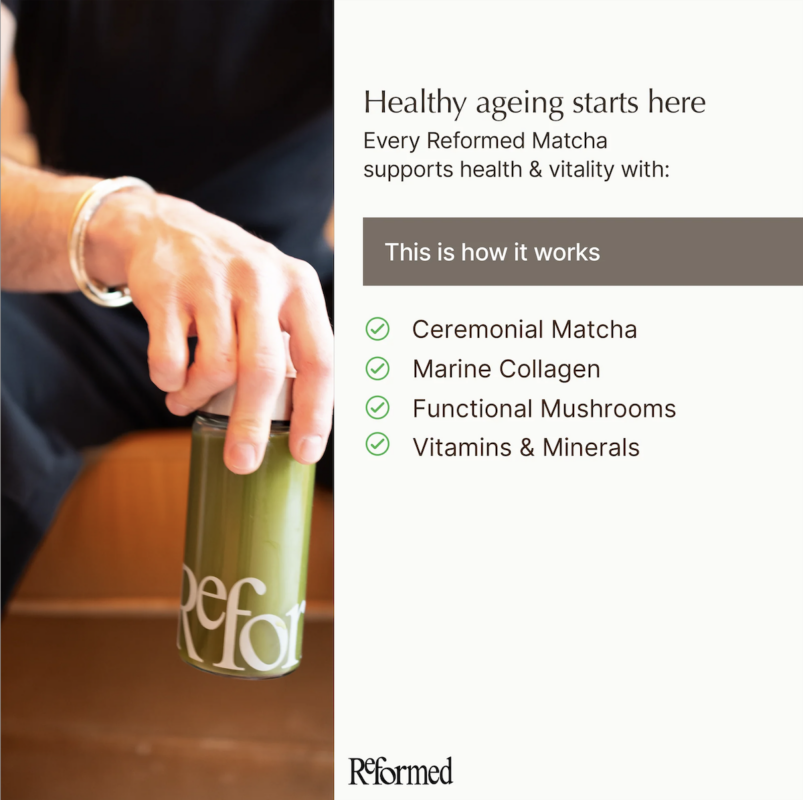
Rather than relying solely on sugar-filled coffee drinks or high-caffeine energy beverages, consumers are embracing products formulated with ingredients like mushrooms, adaptogens, collagen, L-theanine, and ceremonial-grade matcha.
This shift has created an entirely new category known as functional coffee.
Instead of replacing coffee altogether, these products aim to enhance it.
What Is Reformed?
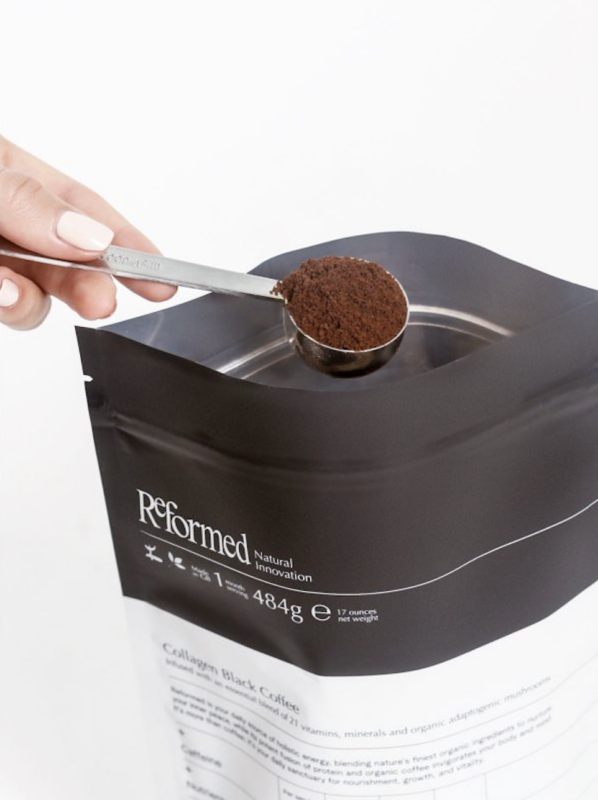
Reformed is a UK-based wellness company focused on premium coffee and matcha blends designed to provide more balanced energy than traditional coffee alone.
Its product lineup combines high-quality coffee and matcha with functional ingredients intended to support focus, mental clarity, and sustained energy while avoiding the dramatic energy crashes some people experience after consuming highly caffeinated beverages.
Equally important is Reformed’s business model.
Rather than relying heavily on retail distribution, the company has built much of its growth through direct-to-consumer subscriptions, allowing customers to receive products on a recurring basis.
Subscription models have become increasingly attractive within wellness because they create convenience for consumers while providing companies with more predictable recurring revenue.
The recent £17 million funding round will help Reformed expand internationally and invest further in product development, marketing, and customer acquisition.
Why Functional Matcha Is Having a Moment
While coffee remains the world’s most consumed stimulant, matcha has experienced remarkable growth over the past several years.
Unlike traditional green tea, matcha is made by grinding entire tea leaves into a fine powder, allowing consumers to consume the whole leaf rather than simply steeping it.
This provides a unique combination of naturally occurring caffeine and L-theanine, an amino acid that has been studied for its potential role in promoting calm focus and sustained attention.
Many consumers describe matcha’s energy as smoother than coffee, with fewer jitters and a more gradual decline in alertness.
Whether those experiences vary from person to person, it’s clear that matcha has become a staple within cafés, wellness retailers, and social media wellness culture.
Combined with growing interest in meditation, stress management, and cognitive performance, matcha has become much more than simply another tea.
It’s become part of a broader lifestyle movement.
Functional Coffee Is No Longer a Niche Market
Reformed is far from the only company betting on this trend.
Over the past few years, dozens of brands have entered the functional beverage market, each offering its own approach to improving the traditional cup of coffee.
Companies such as Mud\Wtr have built large followings by replacing coffee with mushroom-based blends designed to provide sustained energy while using significantly less caffeine.
Everyday Dose combines coffee with collagen, functional mushrooms, and nootropics to appeal to consumers interested in both productivity and long-term wellness.
Meanwhile, Ryze Superfoods has introduced mushroom coffee blends centered on ingredients like lion’s mane and cordyceps, while brands like Four Sigmatic helped popularize medicinal mushrooms years before the category entered the mainstream.
Although each company approaches the market differently, they all reflect the same underlying trend:
Consumers increasingly want beverages that do more than wake them up.
They want products that fit into a broader wellness routine focused on performance, recovery, longevity, and preventive health.
Why Investors Are Paying Attention
The wellness industry has expanded well beyond fitness apparel and nutritional supplements.
Consumers are spending more money on products that promise convenience, personalization, and long-term health benefits.
Functional beverages sit at the intersection of several rapidly growing trends:
- Preventive healthcare
- Personalized nutrition
- Cognitive performance
- Longevity
- Subscription commerce
- Premium food and beverage products
For investors, companies like Reformed represent recurring revenue businesses operating within one of the fastest-growing consumer wellness categories.
Rather than relying on one-time purchases, subscription models encourage long-term customer relationships, making businesses more predictable and scalable.
This combination of wellness demand and recurring revenue has become particularly attractive to venture capital firms looking for the next breakout consumer health brand.
What’s Actually Inside Functional Coffee and Matcha?
One of the reasons functional beverages have gained so much attention is that they’re designed to provide more than caffeine alone. Instead of relying solely on stimulation, many brands combine coffee or matcha with ingredients that have been studied for their potential role in supporting focus, recovery, stress management, and overall wellness.
While formulations vary between companies, several ingredients appear consistently throughout the category.
L-theanine is one of the best-known additions, particularly in matcha-based products. Naturally found in tea leaves, it has been studied for its potential to promote relaxation without causing drowsiness. When combined with caffeine, some research suggests it may help improve attention and reduce the jittery feeling some people experience after drinking coffee.
Functional mushrooms have also become increasingly common. Ingredients like lion’s mane, cordyceps, and reishi are frequently included in wellness beverages because of growing interest in cognitive performance, endurance, and stress resilience. While research is still evolving, these mushrooms have become a defining feature of the functional beverage movement.
Some products also include collagen peptides, probiotics, adaptogens, or antioxidant-rich botanicals, creating drinks that blend nutrition, convenience, and wellness into a single morning ritual.
Rather than replacing healthy habits, these beverages are designed to complement them.

The Subscription Model Is Changing Wellness
Reformed’s funding announcement also highlights another important trend: subscription commerce.
Health and wellness companies increasingly prefer subscription models because they create long-term relationships instead of one-time purchases.
For consumers, subscriptions offer convenience and consistency.
For companies, they provide predictable recurring revenue, allowing businesses to invest more confidently in product development, customer service, and international expansion.
Reformed is applying that same strategy to functional coffee and matcha.
As more consumers establish morning wellness routines, recurring deliveries may become just as common as monthly streaming subscriptions.
Wellness Is Moving Beyond Supplements
Perhaps the biggest takeaway from Reformed’s growth isn’t about coffee at all.
It’s about how consumers now view wellness.
Rather than relying on a handful of vitamins taken each morning, people are increasingly looking for ways to build healthier habits into products they already use every day.
Coffee.
Tea.
Hydration.
Sleep.
Nutrition.
Recovery.
This “habit stacking” approach makes wellness feel more sustainable because it doesn’t require adding dozens of new routines.
Instead, it improves the ones people already have.
A morning coffee becomes an opportunity to increase antioxidant intake.
An afternoon drink becomes another way to support focus without relying on sugary energy drinks.
Wellness is becoming integrated into everyday life instead of existing separately from it.
Challenges Facing the Functional Beverage Industry
Although investor enthusiasm remains strong, functional beverages still face important challenges.
One of the biggest is scientific communication.
Many functional ingredients have promising early research behind them, but not every marketing claim is supported by equally strong evidence. Consumers are becoming increasingly knowledgeable and expect companies to be transparent about what is supported by research versus what is still emerging.
Taste is another important factor.
Even the healthiest beverage won’t succeed if consumers don’t enjoy drinking it every morning.
Price also remains a consideration.
Functional beverages often cost significantly more than traditional coffee, making it important for companies to clearly demonstrate value beyond caffeine alone.
As competition continues growing, the brands that combine quality ingredients, transparency, excellent flavor, and strong customer experiences are likely to separate themselves from the rest of the market.
Why Functional Beverages Fit Into Preventive Health
One of the most exciting aspects of this category is how naturally it fits into preventive healthcare.
Consumers are becoming increasingly proactive about maintaining their health instead of waiting until problems develop.
That same mindset has fueled interest in wearable devices, continuous glucose monitors, preventive health scans, personalized nutrition, and microbiome testing.
Functional beverages represent another piece of that larger movement.
While no coffee or matcha product can replace a balanced diet or healthy lifestyle, many consumers appreciate products that align with broader wellness goals.
If you’re interested in other emerging wellness trends, check out Vital Report’s article Fiber Is the New Protein, which explores another category reshaping the future of nutrition.
The Bottom Line
Reformed’s £17 million funding round is about much more than one company’s success.
It reflects a larger transformation taking place across the food and beverage industry.
Consumers are no longer satisfied with products that simply provide caffeine or convenience. They’re looking for drinks that fit into a broader lifestyle centered on health, focus, recovery, and long-term wellness.
Whether through premium matcha, functional coffee, adaptogens, or innovative subscription models, brands like Reformed are helping redefine what the morning routine looks like.
As preventive healthcare and personalized nutrition continue gaining momentum, functional beverages are likely to remain one of the fastest-growing segments in wellness for years to come.
For consumers, the question is no longer whether coffee should wake you up.
It’s whether your morning drink can support the rest of your health goals, too.
Frequently Asked Questions
What is Reformed?
Reformed is a UK-based wellness company that produces functional coffee and matcha products designed to support energy, focus, and overall well-being. The company recently raised £17 million to expand internationally and grow its direct-to-consumer subscription business.
What makes functional coffee different from regular coffee?
Functional coffee combines traditional coffee with additional ingredients such as adaptogens, functional mushrooms, collagen, or nootropics that are intended to support areas like focus, recovery, and stress management.
Is matcha healthier than coffee?
Both beverages have potential health benefits. Matcha naturally contains caffeine and L-theanine, which may provide a smoother, more sustained feeling of alertness for some people, while coffee remains rich in antioxidants and has been widely studied for its health effects.
Are functional beverages scientifically proven?
Many ingredients used in functional beverages have promising research behind them, but evidence varies by ingredient and formulation. Consumers should evaluate products based on the available science and avoid viewing them as replacements for a balanced diet or medical care.
Why are investors interested in functional beverage companies?
The category combines several attractive trends, including preventive health, personalized nutrition, premium consumer products, and subscription-based business models that can generate recurring revenue and long-term customer loyalty.