

Hydration has always been considered one of the fundamentals of health, but in 2026, it’s becoming one of the fastest-growing conversations in wellness, sports performance, and longevity.
For years, people believed dehydration only became a concern once they felt thirsty or experienced obvious symptoms like dizziness or muscle cramps. Today, researchers and sports scientists understand that even mild dehydration can quietly reduce physical performance, impair concentration, slow recovery, and negatively impact sleep long before noticeable symptoms appear.
Whether you’re training for a marathon, lifting weights, working long hours at a desk, or simply trying to feel your best, proper hydration affects nearly every system in your body.
From wearable technology tracking recovery to electrolyte supplements becoming daily essentials, hydration has evolved far beyond carrying around a water bottle.
Why Hydration Matters More Than Most People Realize
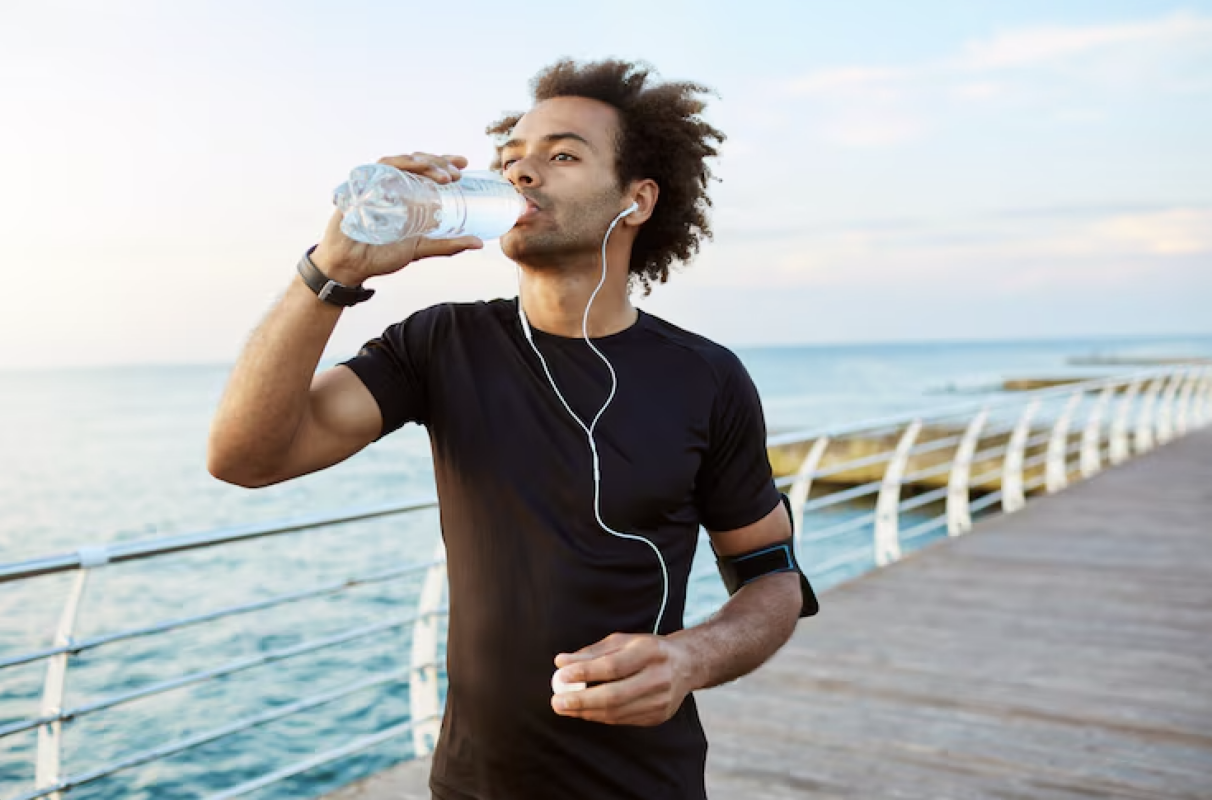
Roughly 60 percent of the human body is made up of water, making hydration essential for nearly every biological process.
Water helps regulate body temperature, transports nutrients throughout the body, lubricates joints, supports digestion, cushions organs, and allows muscles and nerves to function properly.
When hydration levels begin to drop, even by as little as one or two percent of body weight, performance can begin to decline.
That doesn’t necessarily mean you’ll collapse from dehydration.
Instead, you may simply notice that your workout feels harder than usual, your afternoon energy crashes, your focus disappears, or your recovery takes longer than expected.
Because these symptoms develop gradually, many people never recognize dehydration as the underlying cause.
The Hidden Signs of Dehydration
Most people associate dehydration with extreme thirst.
Ironically, thirst is often one of the last signals your body sends.
By the time you feel thirsty, your body may already be experiencing measurable reductions in physical and cognitive performance.
Some of the most common hidden signs include:
- Persistent afternoon fatigue
- Frequent headaches
- Difficulty concentrating
- Elevated heart rate during exercise
- Reduced endurance
- Dry skin or lips
- Dark yellow urine
- Muscle cramps
- Increased soreness after workouts
- Feeling unusually irritable
- Poor sleep quality
Because these symptoms overlap with stress, lack of sleep, poor nutrition, and overtraining, dehydration is frequently overlooked.
Hydration and Athletic Performance
Elite athletes have treated hydration as a competitive advantage for decades.
Today, recreational athletes are beginning to do the same.
Water helps maintain blood volume, allowing oxygen and nutrients to reach working muscles more efficiently. As dehydration progresses, the heart must work harder to pump blood, causing workouts to feel significantly more difficult.
Research has consistently shown that dehydration can negatively affect:
- Strength
- Power output
- Sprint performance
- Endurance
- Coordination
- Decision-making
- Reaction time
For athletes participating in endurance events or exercising in hot weather, fluid losses can become substantial in a relatively short period of time.
That’s why professional sports organizations now routinely personalize hydration strategies based on sweat rate, climate, and training intensity.
It’s Not Just About Water
One of the biggest misconceptions surrounding hydration is that drinking more water automatically solves every problem.
In reality, hydration involves a careful balance between fluids and electrolytes.
Electrolytes—including sodium, potassium, magnesium, calcium, and chloride—help regulate nerve signaling, muscle contractions, fluid balance, and cellular function.
During exercise, particularly in warm environments, sweat removes both water and electrolytes.
Replacing only water after prolonged sweating may leave some individuals feeling fatigued despite drinking plenty of fluids.
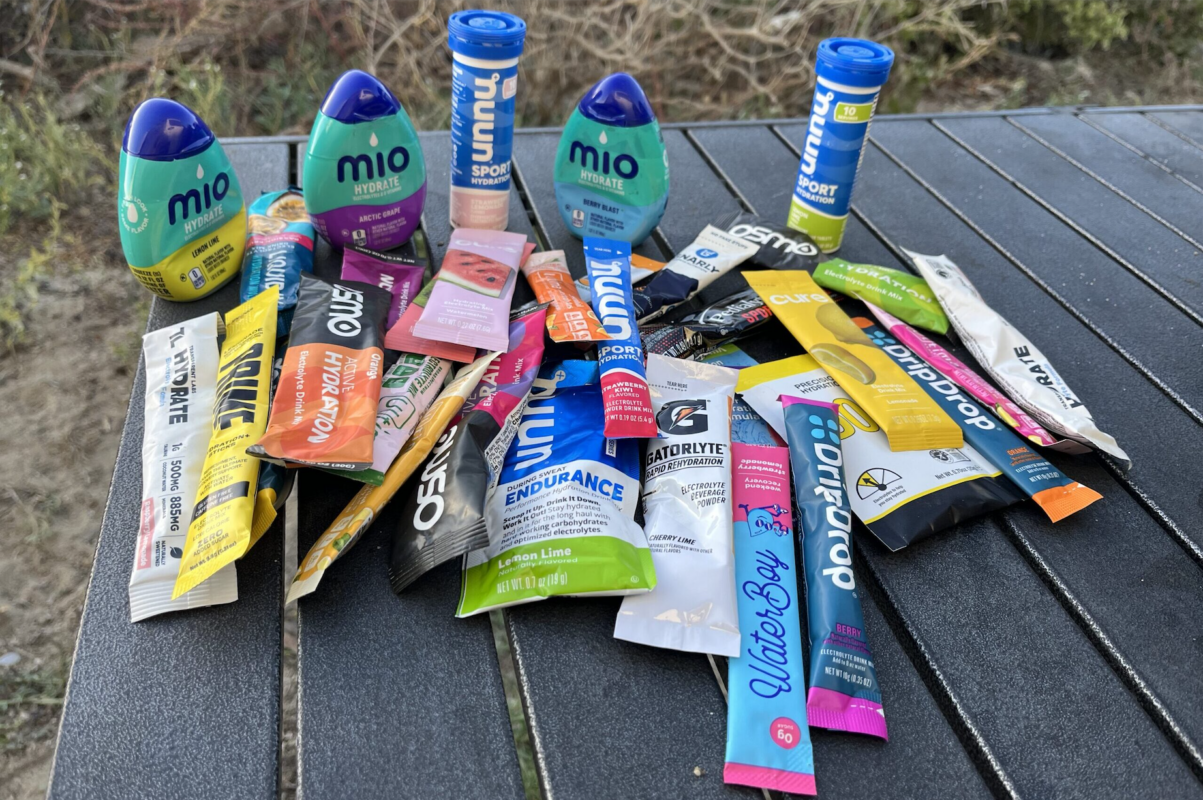
This growing awareness has fueled explosive growth in electrolyte products over the past several years.
Brands such as LMNT, Liquid I.V., Nuun, Skratch Labs, and Tailwind Nutrition have become increasingly popular among endurance athletes, fitness enthusiasts, and everyday consumers looking to support hydration beyond plain water.
Rather than viewing electrolyte products as something reserved for marathon runners, many healthcare professionals now recognize their value during intense exercise, illness, travel, and prolonged heat exposure.
How Wearable Technology Is Changing Hydration Awareness
Although today’s wearables cannot directly measure hydration status, they are helping users recognize patterns that may indicate inadequate recovery.
Devices such as the Oura Ring, WHOOP, Garmin, Apple Watch, and Samsung Galaxy Watch track metrics including:
- Resting heart rate
- Heart rate variability (HRV)
- Sleep quality
- Skin temperature
- Recovery scores
- Training readiness
While these devices don’t tell you exactly how much water to drink, they often reveal how poor hydration affects recovery over time.
Many users notice elevated resting heart rates, lower HRV scores, and poorer sleep after days of inadequate hydration.
Instead of replacing good hydration habits, wearable technology is helping people better understand how hydration fits into the bigger picture of recovery, performance, and overall health.
Dehydration Doesn’t Just Affect Your Body—It Affects Your Brain
Physical performance is only part of the equation.
Your brain is also highly sensitive to changes in hydration.
Even mild dehydration has been associated with reduced attention, slower reaction time, impaired short-term memory, and increased feelings of fatigue. If you’ve ever struggled to focus during an afternoon meeting or found yourself feeling mentally drained despite getting enough sleep, hydration may be playing a larger role than you realize.
For students, professionals, and anyone who spends long hours in front of a computer, maintaining hydration can be just as important for productivity as it is for athletic performance.
Many companies are even encouraging employees to take hydration breaks throughout the workday, recognizing that cognitive performance is directly tied to physical well-being.
Hydration and Recovery Go Hand in Hand
Recovery doesn’t begin after your workout—it continues throughout the rest of your day.
Hydration plays a critical role in helping muscles recover after exercise by supporting circulation, transporting nutrients, and replacing fluids lost through sweat.
If you’ve ever experienced excessive soreness, lingering fatigue, or unusually slow recovery after a workout, dehydration may have contributed.
Recovery specialists increasingly emphasize that hydration should be viewed alongside nutrition, sleep, and mobility as one of the four pillars of recovery.
In fact, if you’re interested in maximizing your recovery, check out Vital Report’s guide to The Optimal Bedtime Routine in 2026, which explores how sleep habits, temperature, wearables, and recovery strategies work together to improve overall health.
Hydrating Foods Count, Too
Drinking water isn’t the only way to stay hydrated.
Many whole foods naturally contain large amounts of water while also providing vitamins, minerals, antioxidants, and fiber.
Some of the most hydrating foods include:
- Watermelon
- Cucumbers
- Strawberries
- Oranges
- Celery
- Tomatoes
- Lettuce
- Bell peppers
- Grapefruit
- Yogurt
These foods can contribute meaningfully to your daily fluid intake while supporting overall nutrition.
Adding more fruits and vegetables to your diet is one of the simplest ways to improve hydration without constantly thinking about drinking another glass of water.
Simple Habits That Can Improve Hydration Every Day
You don’t need expensive equipment or complicated hydration formulas to feel better.
Instead, focus on building consistent habits.
Start your morning with a large glass of water after waking up.
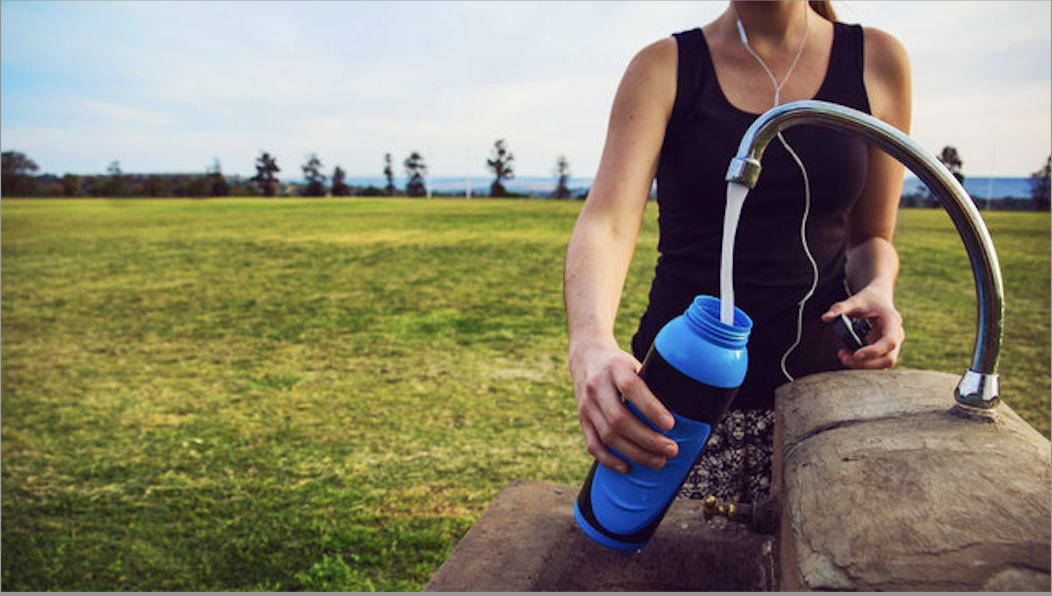
Carry a reusable water bottle throughout the day instead of relying on thirst.
Increase fluid intake before, during, and after exercise.
Replace electrolytes after long workouts or excessive sweating.
Eat water-rich fruits and vegetables daily.
Pay attention to urine color—light yellow generally indicates adequate hydration, while darker urine often suggests it’s time to drink more fluids.
Perhaps most importantly, don’t wait until you’re thirsty.
Hydration works best when it’s proactive rather than reactive.
Hydration Is Becoming More Personalized
One of the biggest trends shaping wellness in 2026 is personalization.
Just as blood testing, continuous glucose monitors, and wearable devices have helped people understand their bodies more deeply, hydration is becoming increasingly individualized.
Athletes now calculate sweat rates to determine personalized fluid needs.
Some sports scientists recommend weighing yourself before and after long training sessions to estimate fluid loss, helping create customized hydration strategies instead of relying on generalized recommendations.
Researchers are also exploring wearable hydration sensors capable of analyzing sweat composition in real time.
While these technologies are still developing, they highlight the future of personalized performance and preventive healthcare.
Why Hydration Has Become One of Wellness’s Biggest Trends
Hydration is no longer viewed as simply drinking eight glasses of water each day.
Instead, it’s becoming part of a much larger conversation around longevity, athletic performance, recovery, metabolic health, cognitive function, and healthy aging.
Consumers are increasingly investing in reusable water bottles, electrolyte supplements, smart wearables, recovery technologies, and nutrition strategies designed to optimize hydration every day—not just during workouts.
As more research emerges, hydration is likely to become as measurable and personalized as sleep tracking and fitness monitoring.
The Bottom Line
The biggest danger of dehydration isn’t always severe dehydration.
It’s the small, everyday fluid deficits that quietly reduce your energy, focus, athletic performance, and recovery without you ever realizing what’s causing them.
Whether you’re training for your next race, trying to stay productive at work, or simply looking to feel healthier, paying closer attention to hydration is one of the simplest—and most effective—changes you can make.
Water remains the foundation, but smart hydration also means replacing electrolytes when appropriate, eating water-rich foods, developing consistent habits, and using technology to better understand how your body responds.
Sometimes, improving your health doesn’t require a revolutionary new supplement or fitness program.
Sometimes it starts with drinking enough water.
Frequently Asked Questions
What are the first signs of dehydration?
Early signs often include fatigue, headaches, dry mouth, difficulty concentrating, darker urine, elevated heart rate during exercise, and reduced physical performance.
How much water should I drink each day?
Fluid needs vary depending on age, body size, climate, and activity level. Rather than following a one-size-fits-all recommendation, adjust your intake based on thirst, urine color, exercise, and sweat loss.
Are electrolyte drinks better than water?
Water is sufficient for most daily activities. However, electrolyte drinks may be beneficial during prolonged exercise, heavy sweating, hot weather, illness, or endurance events where significant sodium losses occur.
Can dehydration affect sleep?
Yes. Poor hydration may contribute to nighttime discomfort, muscle cramps, and reduced recovery. Staying consistently hydrated throughout the day—not just before bed—can support better overall sleep quality.
Can wearables measure hydration?
Current consumer wearables do not directly measure hydration, but devices such as the Oura Ring, WHOOP, Garmin, and Apple Watch can reveal recovery trends that may be influenced by hydration, including resting heart rate, HRV, sleep quality, and recovery scores.