
Discover how the oral microbiome is reshaping the future of dental care. Learn why probiotic and prebiotic toothpastes, mouthwashes, and supplements are becoming one of the biggest wellness trends of 2026.
For decades, oral care has focused on one primary goal: eliminating bacteria. From alcohol-based mouthwashes to antibacterial toothpastes, the message has been consistent—kill the germs before they cause cavities or gum disease.
Today, that philosophy is changing.
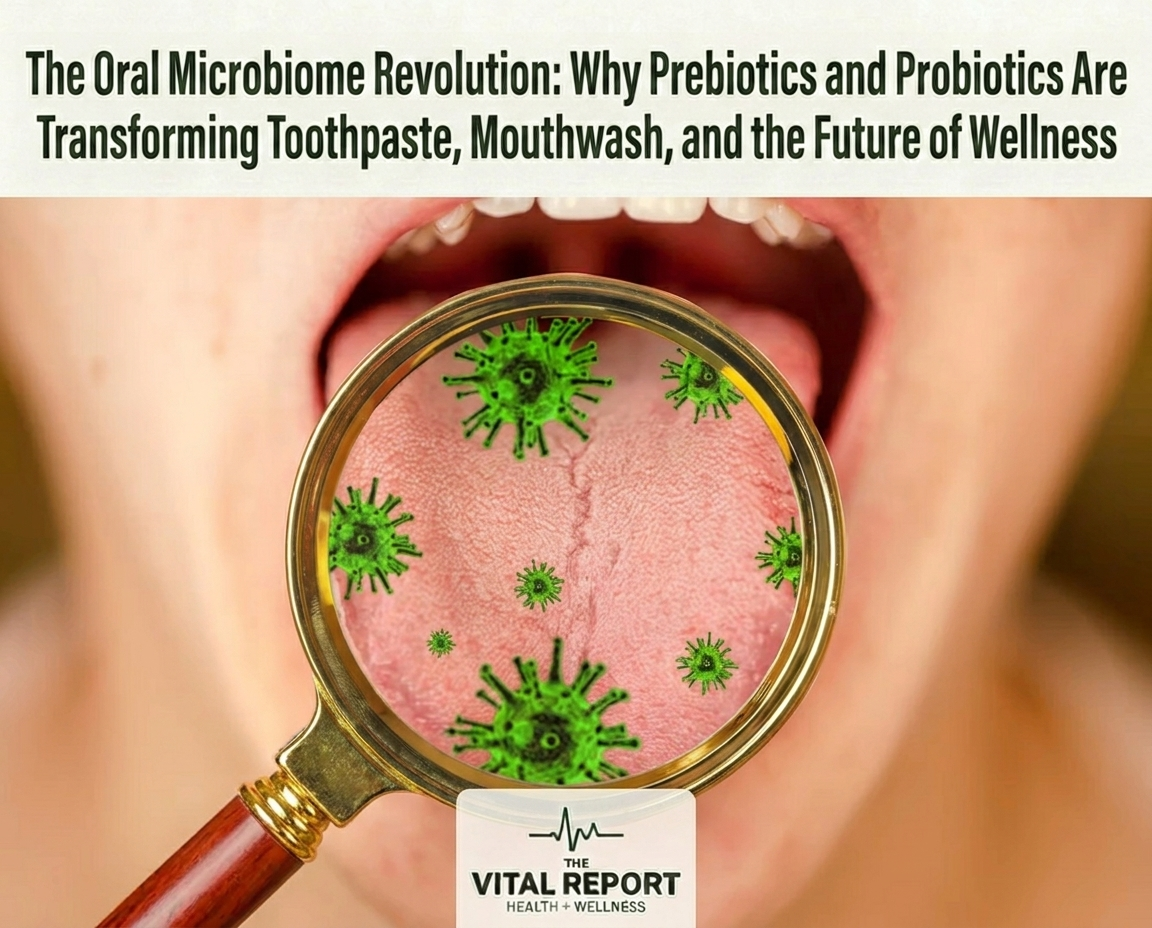
Scientists now understand that the mouth is home to one of the body’s most diverse microbial ecosystems. More than 700 species of bacteria, fungi, viruses, and other microorganisms coexist within the oral cavity, creating what researchers call the oral microbiome. Rather than being something to eliminate, this ecosystem plays a critical role in protecting teeth, regulating inflammation, supporting digestion, and even influencing cardiovascular, metabolic, and cognitive health.
As a result, an entirely new generation of oral care products is emerging. Instead of trying to sterilize the mouth, innovative brands are developing toothpastes, mouthwashes, chewing gums, lozenges, and dietary supplements designed to nourish beneficial bacteria while reducing harmful microbes.
The oral microbiome has quickly become one of the fastest-growing conversations in wellness, joining categories like gut health, continuous glucose monitoring, longevity, and personalized nutrition. As consumers become increasingly educated about the importance of microbial diversity throughout the body, oral care is evolving from a daily hygiene routine into a holistic health practice.
What Is the Oral Microbiome?
The oral microbiome is the collection of microorganisms that naturally inhabit the mouth. These microbes live on the teeth, gums, tongue, cheeks, palate, and saliva, creating a highly dynamic ecosystem that changes throughout the day based on diet, hydration, stress, sleep, medications, and oral hygiene habits.
In a healthy mouth, beneficial bacteria perform several important functions:
- Prevent harmful bacteria from becoming dominant
- Help regulate inflammation in gum tissue
- Support enamel remineralization
- Produce compounds that maintain a healthy oral pH
- Contribute to nitric oxide production through nitrate metabolism
- Form a protective barrier against invading pathogens
Problems arise when this microbial balance becomes disrupted—a condition known as dysbiosis.
Oral dysbiosis has been associated with cavities, gingivitis, periodontitis, chronic bad breath, oral thrush, and tooth sensitivity. More recently, researchers have also identified strong associations between oral dysbiosis and chronic diseases affecting the rest of the body.
Why the Mouth Is Connected to Whole-Body Health
The mouth serves as the gateway to both the digestive and respiratory systems, making it one of the body’s first lines of defense against disease.
Every day, humans swallow approximately one liter of saliva containing billions of microorganisms. These microbes continuously interact with the digestive tract, influencing the gut microbiome and immune system.
Research over the past decade has demonstrated compelling links between poor oral health and numerous systemic conditions, including:
- Cardiovascular disease
- Type 2 diabetes
- Obesity
- Alzheimer’s disease
- Rheumatoid arthritis
- Pregnancy complications
- Inflammatory bowel disease
Although these associations do not necessarily prove direct causation, scientists increasingly believe that chronic inflammation originating in the mouth may contribute to inflammation throughout the body.
One mechanism receiving particular attention involves periodontal disease. During gum inflammation, bacteria and inflammatory molecules can enter the bloodstream, potentially affecting blood vessels, immune responses, and distant organs.
This growing body of evidence has encouraged physicians, dentists, nutritionists, and longevity experts to view oral health as an essential component of preventive medicine rather than an isolated specialty.
The Oral-Gut Microbiome Connection
Consumers have spent the past several years learning about probiotics for digestive health. Products containing beneficial bacteria have become staples in yogurt, fermented foods, supplements, beverages, and functional nutrition.
Now, researchers are discovering that gut health actually begins much earlier in the digestive tract.
Many oral bacteria survive long enough to influence microbial communities within the gastrointestinal system. Likewise, dietary patterns that improve gut microbial diversity often support oral microbial diversity as well.
Highly processed diets rich in refined sugars encourage acid-producing bacteria that contribute to tooth decay. Diets rich in fiber, vegetables, polyphenols, and fermented foods appear to support healthier microbial communities in both the mouth and the intestines.
This interconnected relationship helps explain why many functional medicine practitioners now recommend oral microbiome support alongside traditional gut health protocols.
Why “Killing All the Germs” May No Longer Be the Best Strategy
Traditional oral care products were designed to eliminate as many bacteria as possible.
While fluoride remains one of dentistry’s greatest public health successes because of its ability to strengthen enamel and reduce cavities, many conventional products also contain ingredients intended to broadly suppress bacterial growth.
The problem is that beneficial bacteria are often eliminated alongside harmful ones.
Emerging research suggests that repeatedly disrupting the oral microbiome may temporarily reduce microbial diversity before the ecosystem rebuilds itself. Some scientists believe future oral care should focus less on sterilization and more on ecological balance.
This mirrors the evolution of gut health, where broad-spectrum antibiotics are used only when necessary while probiotics, prebiotics, and dietary diversity are encouraged to support resilient microbial communities.
Rather than asking, “How do we eliminate bacteria?” researchers are increasingly asking, “How do we cultivate the right bacteria?”
Enter Prebiotics and Probiotics
The next generation of oral care products seeks to answer exactly that question.
Oral Probiotics
Oral probiotics contain carefully selected strains of beneficial bacteria that are intended to colonize the mouth and compete with disease-causing microbes.
Unlike digestive probiotics—which primarily target the intestines—oral probiotics are selected for their ability to survive within the unique environment of the mouth.
Several strains have attracted particular scientific interest because of their potential roles in reducing plaque accumulation, improving gum health, minimizing halitosis, and supporting overall microbial balance.
Most oral probiotics are delivered through lozenges, chewable tablets, gums, powders, or specialized toothpastes that maximize contact time with oral tissues.
Although more large-scale clinical trials are needed, early research has shown encouraging results for reducing harmful bacterial populations while supporting healthier microbial diversity.
Oral Prebiotics
If probiotics introduce beneficial bacteria, prebiotics provide the nutrients that allow those bacteria to thrive.
Prebiotic ingredients are increasingly being incorporated into toothpaste and mouthwash formulations to selectively nourish beneficial microbes without feeding cavity-causing bacteria.
This represents an important shift in oral care philosophy—from destroying bacteria to managing the oral ecosystem much like a healthy garden.
Some newer formulations also combine probiotics and prebiotics into “synbiotic” products designed to improve bacterial survival and long-term colonization.
As consumer interest in microbiome science continues to grow, synbiotic oral care is expected to become one of the fastest-growing categories in preventive dentistry.
Why Investors and Wellness Brands Are Paying Attention
The oral microbiome sits at the intersection of several of today’s fastest-growing consumer health trends:
- Personalized wellness
- Functional nutrition
- Longevity
- Preventive healthcare
- Microbiome science
- Natural oral care
- Clean-label consumer products
Consumers are increasingly seeking products that work with the body’s biology instead of against it.
This shift has fueled rapid innovation among both established oral care companies and emerging wellness startups. New formulations emphasize microbiome-friendly ingredients, alcohol-free mouthwashes, hydroxyapatite toothpaste, probiotic lozenges, oral microbiome supplements, and naturally derived compounds that support bacterial balance rather than indiscriminately eliminating microbes.
What was once considered a niche scientific concept has quickly become one of the most exciting frontiers in preventive health—and many experts believe we’re only at the beginning of the oral microbiome revolution.
The Brands Leading the Oral Microbiome Movement
As consumer interest in gut health has exploded over the past decade, a similar shift is beginning to take place in oral care. Rather than relying solely on traditional whitening claims or cavity prevention, a growing number of companies are developing products specifically designed to support a healthy oral microbiome.
These brands are combining advances in microbiology, dentistry, nutrition, and functional wellness to create products that work with the body’s natural defenses instead of simply eliminating bacteria.
1. Boka
Perhaps no brand has become more closely associated with microbiome-friendly oral care than Boka.
Founded with the belief that oral health should support overall health, Boka has built its product line around ingredients that are both science-backed and gentle on the oral ecosystem. The company’s signature toothpaste uses nano-hydroxyapatite, a naturally occurring mineral that helps remineralize enamel without relying exclusively on fluoride. While hydroxyapatite itself is not a probiotic, it has become a favorite among consumers seeking a more biologically compatible approach to oral care.
Over the past several years, Boka has expanded from a niche direct-to-consumer startup into one of the fastest-growing premium oral care brands in North America. Today, its products are widely available through major online retailers, specialty wellness stores, and dental offices.
Beyond toothpaste, Boka now offers floss, toothbrushes, mouthwash, and tongue cleaners that fit into a comprehensive oral wellness routine.
2. SuperMouth
One of the most innovative companies in the category is SuperMouth, a brand founded by dentist Dr. Kami Hoss.
Unlike traditional oral care companies, SuperMouth was built around oral microbiome science from the beginning. Many of its formulations include prebiotic ingredients designed to nourish beneficial bacteria while limiting the growth of harmful microbes.
The company emphasizes the idea that a healthy mouth should maintain microbial balance rather than complete sterilization. This philosophy has resonated with consumers who are already familiar with probiotic nutrition and gut health.
SuperMouth has expanded rapidly through social media, educational content, and partnerships with dental professionals, helping bring microbiome-focused oral care into mainstream conversations.
3. Burst Oral Care
Initially known for its subscription electric toothbrushes, Burst Oral Care has evolved into one of the fastest-growing oral care brands by consistently introducing innovative products.
Burst now offers hydroxyapatite toothpaste, whitening products, floss, water flossers, and mouthwash while educating consumers about preserving healthy oral bacteria alongside maintaining excellent hygiene.
Its rapid growth has been fueled by a large network of dental professionals, influencer partnerships, and direct-to-consumer marketing, allowing the brand to compete with much larger legacy oral care companies.
Burst’s emphasis on education has helped introduce microbiome-friendly concepts to consumers who may never have previously considered the relationship between oral health and whole-body wellness.
4. ProBiora Health
While many oral care companies market “microbiome-friendly” products, ProBiora Health focuses specifically on beneficial bacteria.
Its patented blend of oral probiotic strains has been incorporated into lozenges, chewing gums, mints, toothpaste, and dietary supplements intended to help maintain a healthier balance of bacteria within the mouth.
Unlike digestive probiotics, these strains are selected specifically for their ability to survive in the oral cavity.
ProBiora represents one of the clearest examples of how probiotics are moving beyond digestive health into entirely new wellness categories.
Beyond Toothpaste: The Rise of Oral Microbiome Supplements
Toothpaste is only one piece of the puzzle.
A growing number of companies now produce supplements designed specifically to improve the oral microbiome.
These products typically come as chewable tablets or lozenges that dissolve slowly inside the mouth, allowing beneficial bacteria to colonize oral tissues before being swallowed.
Many formulations include bacterial strains that have been studied for their potential roles in:
- Supporting gum health
- Reducing plaque accumulation
- Improving breath freshness
- Balancing oral pH
- Supporting immune function
- Reducing harmful bacterial populations
Unlike capsules that travel directly to the stomach, oral probiotic lozenges maximize contact with the tongue, gums, cheeks, and teeth.
This delivery method is becoming increasingly popular among dentists and functional medicine practitioners looking for ways to complement traditional brushing and flossing.
Mouthwash Is Also Getting a Makeover
Conventional mouthwashes have historically relied on alcohol or broad-spectrum antiseptics that significantly reduce bacterial populations.
Although these products can temporarily decrease plaque-causing bacteria, they may also reduce beneficial microbes that contribute to a healthy oral ecosystem.
This has led to growing demand for alcohol-free, microbiome-conscious mouthwashes.
Newer formulations often include ingredients such as:
- Xylitol
- Aloe vera
- Hydroxyapatite
- Zinc compounds
- Essential oils in carefully balanced concentrations
- Prebiotic compounds
Rather than trying to create a sterile mouth, these products aim to reduce harmful bacteria while allowing beneficial species to flourish.
For consumers already investing in gut health, this approach feels both intuitive and scientifically aligned with broader microbiome research.
What Does the Research Actually Say?
The excitement surrounding the oral microbiome is supported by a rapidly expanding body of scientific literature, although researchers emphasize that many questions remain.
Clinical studies have demonstrated promising benefits for certain oral probiotic strains in reducing plaque accumulation, improving gingival health, decreasing bleeding during brushing, and reducing halitosis (bad breath). Several systematic reviews have concluded that probiotics may serve as a useful adjunct to—not a replacement for—traditional oral hygiene practices.
Research on prebiotics is newer but equally intriguing. Scientists are exploring ingredients that selectively nourish beneficial bacteria while limiting acid-producing microbes associated with tooth decay. This ecological approach reflects a broader shift in microbiome science: promoting balance rather than indiscriminate bacterial elimination.
Researchers are also investigating how oral bacteria influence nitric oxide production, an important molecule involved in blood pressure regulation, vascular health, and athletic performance. Certain beneficial oral bacteria convert dietary nitrates from vegetables like spinach, arugula, and beets into nitrite, which the body then converts into nitric oxide. Frequent use of highly antiseptic mouthwashes may interfere with this pathway in some individuals, an area that continues to receive scientific attention.
The emerging consensus is that maintaining microbial diversity may be just as important as controlling harmful pathogens.
Why the Oral Microbiome May Be the Next Billion-Dollar Wellness Category
The oral microbiome sits at the intersection of several consumer megatrends that continue to reshape the health industry.
Consumers increasingly want products that are:
- Backed by scientific research
- Personalized to individual biology
- Preventive rather than reactive
- Natural and minimally processed
- Connected to whole-body health
These same trends fueled the explosive growth of probiotics, collagen supplements, continuous glucose monitors, functional beverages, and personalized nutrition.
Now, oral care appears poised to follow a similar trajectory.
Market analysts expect continued innovation across toothpaste, mouthwash, chewing gum, lozenges, oral probiotics, AI-powered oral health diagnostics, salivary testing, and personalized dental care. As researchers learn more about the specific bacterial communities associated with health and disease, consumers may eventually receive oral care recommendations tailored to their unique microbiome.
The Future of Oral Wellness
The future of dentistry may look very different from the past.
Instead of focusing exclusively on removing plaque and filling cavities, dental care is gradually expanding into a broader conversation about preventive health, immune resilience, chronic inflammation, and microbiome balance.
Consumers are becoming more aware that brushing their teeth is not simply about maintaining a bright smile—it is about supporting one of the body’s most important microbial ecosystems.
While brushing twice daily, flossing, regular dental checkups, and fluoride remain foundational components of oral health, microbiome-supporting products may soon become standard additions to many daily routines.
As research continues to strengthen the connection between oral bacteria and overall health, the distinction between dental care and wellness is likely to become increasingly blurred.
Final Thoughts
The oral microbiome represents one of the most exciting frontiers in modern wellness.
What began as a niche area of microbiology has evolved into a rapidly growing field with implications for dentistry, nutrition, cardiovascular health, immune function, and longevity. Rather than viewing bacteria as the enemy, today’s science suggests that cultivating a balanced microbial ecosystem may be one of the most effective ways to promote lasting oral health.
Innovative companies like Boka, SuperMouth, Burst Oral Care, and ProBiora Health are leading this transformation by developing products that support the mouth’s natural biology instead of attempting to eliminate it. At the same time, advances in oral probiotics, prebiotics, hydroxyapatite formulations, and microbiome-focused supplements are giving consumers new ways to think about their daily oral care routine.
Although much remains to be learned, one thing is becoming increasingly clear: the future of oral health isn’t about killing every microbe. It’s about creating an environment where the right microbes can thrive. As the wellness industry continues to embrace microbiome science, the mouth is emerging as the next major frontier—one that could reshape how we think about health from the first brush of the morning to the last rinse before bed.