
Sunlight has become one of the most confusing topics in health and wellness.
On one side, we’re told to wear sunscreen every day because ultraviolet (UV) radiation is the leading preventable cause of skin cancer and premature aging. On the other, social media is full of claims that sunscreen itself is toxic, blocks essential vitamin D production, disrupts hormones, or even causes cancer.
So what’s actually true?
The reality is more nuanced than either extreme. Scientific evidence consistently shows that sunscreen helps reduce the risk of skin cancer and sun damage. At the same time, not all sunscreens are formulated the same way, and some consumers prefer mineral-based products because of concerns about certain chemical UV filters or simply because they are less likely to irritate sensitive skin.
Here’s what the research says about sunscreen safety, the benefits of healthy sun exposure, and some of the best sunscreen brands if you’re looking for products with simpler ingredient lists.
Does Sunscreen Cause Cancer?
Despite widespread claims online, there is no credible evidence that sunscreen causes cancer.
In fact, the opposite is true.
Ultraviolet radiation from the sun is classified as a known human carcinogen. Decades of research have linked excessive UV exposure to increased risks of basal cell carcinoma, squamous cell carcinoma, and melanoma—the deadliest form of skin cancer. Organizations such as the American Academy of Dermatology, the American Cancer Society, and the World Health Organization all recommend sunscreen as one component of a broader sun-protection strategy.
One of the strongest pieces of evidence comes from long-term randomized clinical trials showing that people who used sunscreen consistently developed fewer skin cancers than those who did not.
That doesn’t mean every sunscreen ingredient has been studied equally.
Some chemical UV filters—such as oxybenzone and octinoxate—have been detected in the bloodstream after repeated use. While this finding raised understandable questions, detecting an ingredient in the blood does not mean it is harmful. Regulators have asked for additional safety data because these ingredients are absorbed, not because they have been shown to cause cancer.
To date, there is no evidence that approved sunscreen ingredients cause cancer in humans.
Mineral vs. Chemical Sunscreen
Most sunscreens fall into one of two categories.
Mineral Sunscreens
Mineral sunscreens use ingredients like:
- Zinc oxide
- Titanium dioxide
These ingredients sit primarily on the skin’s surface and reflect, scatter, and absorb UV radiation before it damages skin cells.
Many dermatologists recommend mineral sunscreens for:
- Sensitive skin
- Children
- People with eczema or rosacea
- Anyone looking for fewer synthetic active ingredients
Modern mineral formulas are also much less chalky than older versions.
Chemical Sunscreens
Chemical sunscreens absorb UV rays and convert that energy into heat before it can damage skin.
Common active ingredients include:
- Avobenzone
- Homosalate
- Octisalate
- Octocrylene
- Oxybenzone
These formulas often feel lighter, rub in more easily, and leave less white residue, making them popular for daily facial use.
Neither type is inherently “better” at preventing sunburn—what matters most is choosing a broad-spectrum sunscreen with SPF 30 or higher and applying enough of it.
Are Some Sunscreens Better Than Others?
If you’re trying to minimize exposure to ingredients that have generated public concern, mineral sunscreens containing non-nano zinc oxide are among the most commonly recommended options.
Several brands consistently receive strong ratings for ingredient quality, broad-spectrum protection, and cosmetic feel.
Some of the most popular low-toxin options include:
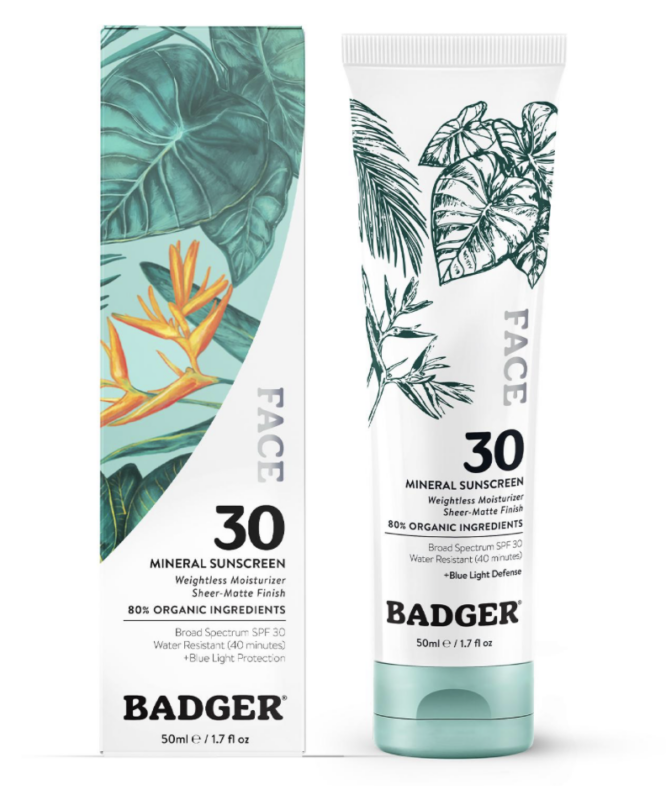
Badger
Known for simple ingredient lists and zinc oxide-based formulas.
Pros:
- Organic ingredients
- Reef-friendly formulations
- Excellent for sensitive skin
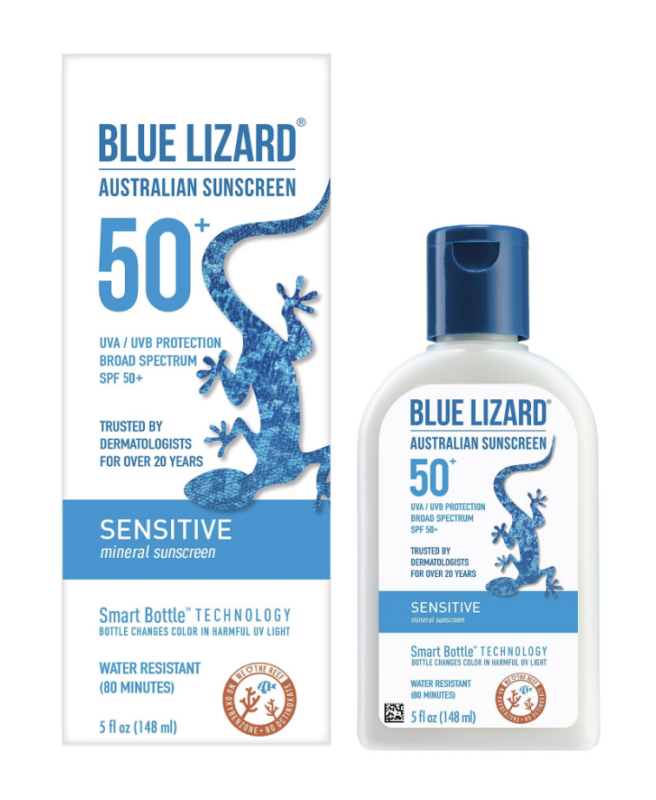
Blue Lizard
Frequently recommended by dermatologists.
Pros:
- Strong UVA and UVB protection
- Widely available
- Good option for families
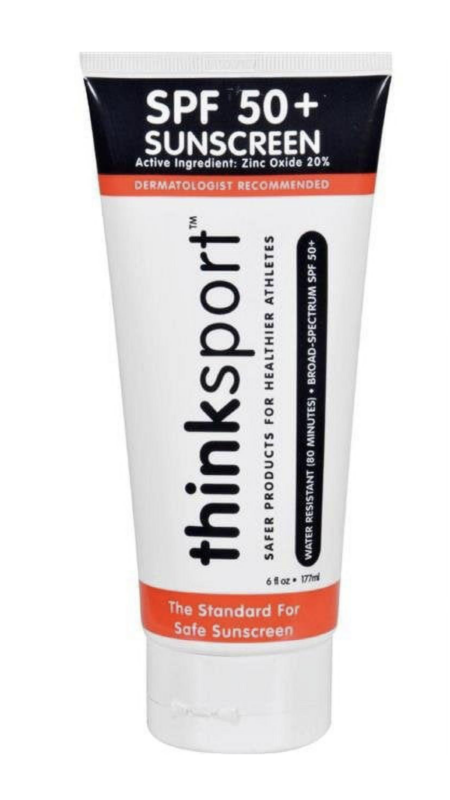
Thinksport
Popular among athletes.
Pros:
- Water resistant
- Mineral-based
- Broad-spectrum protection
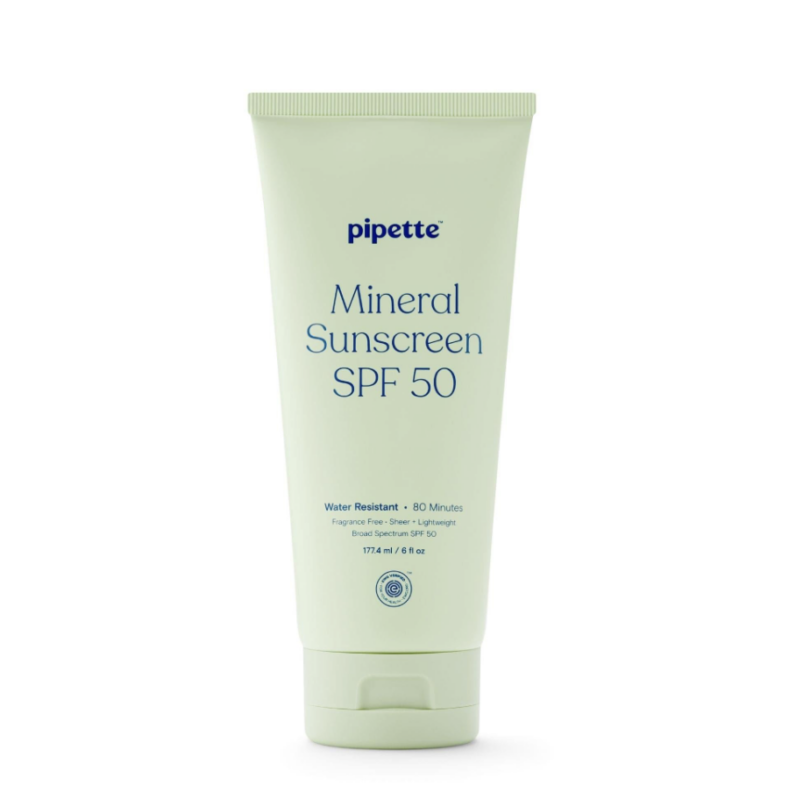
Pipette
Originally designed for babies but increasingly used by adults.
Pros:
- Gentle ingredients
- Lightweight texture
- Zinc oxide protection
EltaMD
A favorite among dermatologists for facial sunscreen.
Pros:
- Elegant finish
- Excellent under makeup
- Multiple formulations for different skin types
What About the Environmental Working Group (EWG)?
Many consumers use the Environmental Working Group sunscreen guide to compare ingredients.
While the guide can be a useful starting point, some dermatologists disagree with the EWG’s hazard ratings, arguing that they sometimes emphasize theoretical risks more than demonstrated clinical evidence.
It’s best viewed as one resource rather than the final authority.
The Benefits of Sun Exposure
While too much sun increases skin cancer risk, avoiding sunlight altogether isn’t ideal either.
Moderate sunlight provides several well-established benefits.
Vitamin D Production
Sunlight triggers vitamin D synthesis in the skin.
Vitamin D supports:
- Bone health
- Muscle function
- Immune health
However, many people can meet their vitamin D needs through diet or supplements, particularly if they use sunscreen regularly or live in northern climates.
Better Sleep
One of the most overlooked benefits of sunlight is its effect on your circadian rhythm.
Morning light tells your brain that it’s daytime.
This helps regulate the release of melatonin later that evening, making it easier to fall asleep and improving overall sleep quality.
Research has shown that exposure to bright natural light early in the day is associated with healthier sleep patterns and stronger circadian alignment.
Improved Mood
Sunlight increases alertness and is associated with improved mood in many people.
Reduced daylight during winter contributes to Seasonal Affective Disorder in susceptible individuals, highlighting how closely light exposure and mental health are connected.
Exercise Outdoors
Sunlight also encourages outdoor activity.
Walking, running, hiking, cycling, and recreational sports all become more appealing when the weather is pleasant.
Many of the health benefits people attribute to sunlight may actually come from being physically active outdoors.
Why Morning Sunlight Is So Popular
One of the biggest wellness trends in recent years is getting outside shortly after waking up.
Unlike many social media trends, this one has strong scientific support.
Exposure to natural light within the first hour after waking helps synchronize your internal biological clock.
Benefits may include:
- Better nighttime sleep
- Increased daytime alertness
- Improved energy
- More consistent circadian rhythm
Experts generally recommend spending roughly 5–10 minutes outdoors on bright sunny mornings, or 20–30 minutes on cloudy days, without looking directly at the sun. You don’t need to stare into sunlight—simply being outside allows enough light to reach your eyes indirectly to help regulate your body’s clock.
How Much Sun Is Healthy?
There isn’t one perfect answer because it depends on several factors:
- Skin tone
- Latitude
- Time of year
- Cloud cover
- Elevation
- UV Index
Fair-skinned individuals may begin burning after only 10–20 minutes in strong midday sun.
People with darker skin generally require more exposure to produce the same amount of vitamin D but also have greater natural protection against UV damage.
A practical rule of thumb is:
- Enjoy short periods of sunlight without burning.
- Avoid prolonged exposure during peak UV hours, typically between 10 a.m. and 4 p.m.
- Use sunscreen, protective clothing, shade, and hats when spending extended time outdoors.
The goal isn’t to avoid the sun.
The goal is to avoid sunburn.
Repeated sunburns, especially during childhood and adolescence, substantially increase the lifetime risk of melanoma.
Does Sunscreen Block Vitamin D?
One common concern is that sunscreen prevents vitamin D production.
In theory, sunscreen can reduce UVB rays that stimulate vitamin D synthesis.
In practice, however, most people don’t apply sunscreen perfectly or uniformly enough to completely block vitamin D production. Studies generally show that typical sunscreen use has little effect on vitamin D levels in real-world settings.
If you’re concerned about vitamin D, a blood test and, if needed, supplementation are generally more reliable than intentionally increasing unprotected sun exposure.
Healthy Sun Habits
Instead of fearing either sunscreen or sunlight, many dermatologists recommend a balanced approach.
Healthy habits include:
- Get natural light shortly after waking.
- Spend time outdoors most days.
- Avoid getting sunburned.
- Wear sunscreen for prolonged outdoor activities.
- Reapply sunscreen every two hours—or more often after swimming or heavy sweating.
- Wear hats, sunglasses, and UPF clothing when UV exposure is high.
- Check your skin regularly for new or changing moles and discuss anything concerning with a healthcare professional.
The Bottom Line
The conversation around sunscreen has become increasingly polarized, but the science is far less dramatic than many online posts suggest.
Current evidence does not support the claim that sunscreen causes cancer. In fact, decades of research show that regular sunscreen use helps reduce UV damage and lowers the risk of several forms of skin cancer.
At the same time, sunlight isn’t something to fear. Moderate exposure plays an important role in regulating your circadian rhythm, supporting mood, encouraging outdoor activity, and helping your body produce vitamin D.
Rather than choosing between “always avoid the sun” and “never wear sunscreen,” the healthiest strategy is finding a balance. Enjoy the benefits of natural light—especially in the morning—but protect your skin during prolonged or intense UV exposure.
If you’re looking for simpler formulations, mineral sunscreens made with zinc oxide from brands like Badger, Blue Lizard, Thinksport, Pipette, and EltaMD are excellent options. Combined with smart sun habits, they allow you to enjoy the outdoors while reducing your long-term risk of skin damage and skin cancer.