
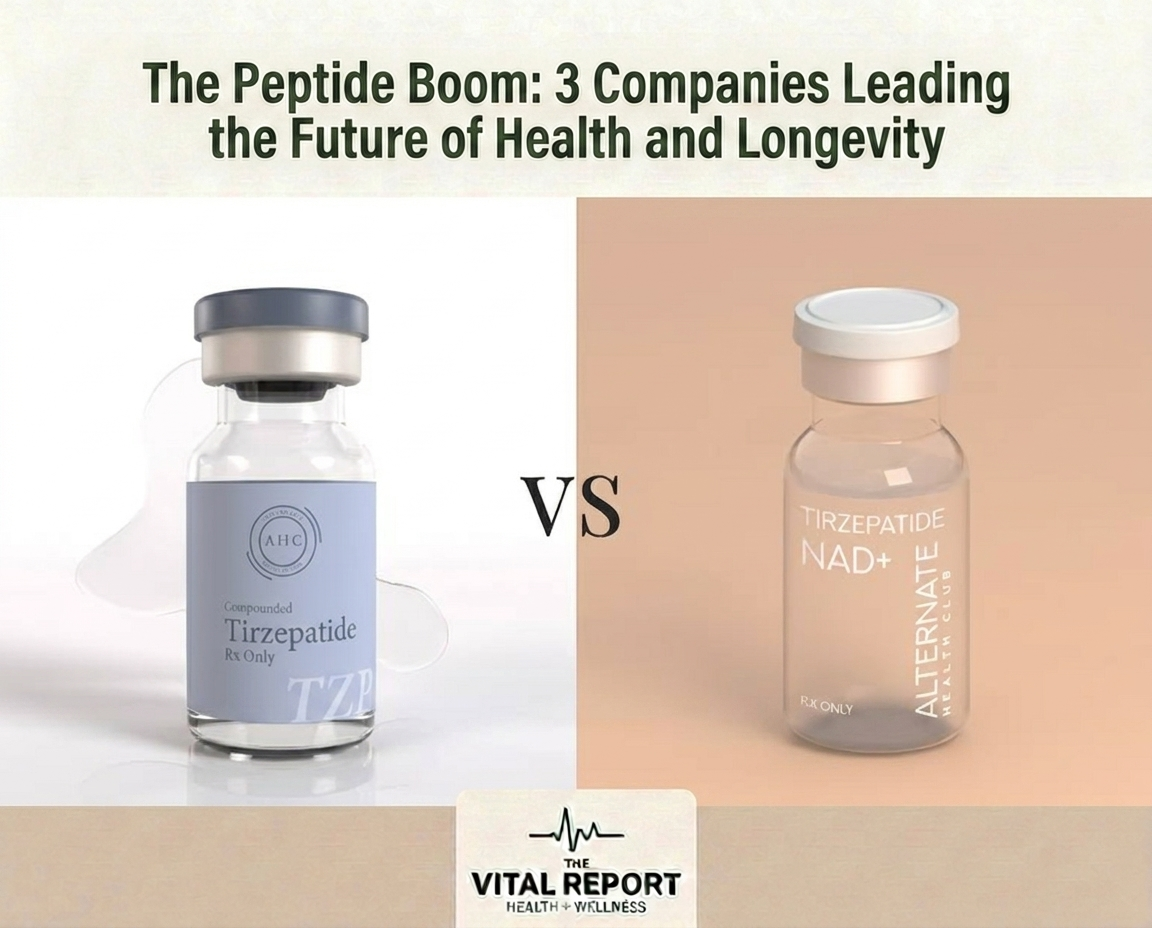
Peptides have become one of the biggest trends in health, wellness, longevity, recovery, and weight management in 2026.
But as names like Wolverine, GLOW, retatrutide, and tirzepatide spread across social media, podcasts, longevity clinics, and telehealth platforms, there is also a growing amount of confusion about what these compounds actually are — and what they actually do.
Some are FDA-approved medications backed by large clinical trials.
Others are experimental peptides with promising laboratory or animal research but very limited human evidence.
Some aren’t even peptides at all.
That distinction is incredibly important.
Five names in particular have been generating attention: Wolverine Blend, GLOW Blend, NAD+, retatrutide, and tirzepatide.
They are often grouped together under the broader "peptide therapy" movement, but biologically they work in completely different ways.
Here’s what each one is designed to do, how it works inside the body, what the research actually shows, and why these therapies are suddenly becoming so popular.
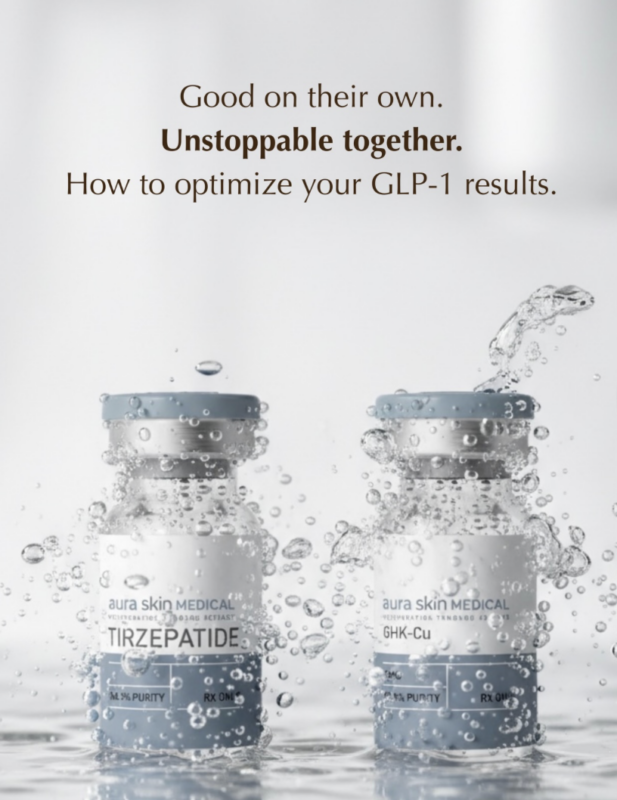
First: What Exactly Is a Peptide?
Peptides are short chains of amino acids.
You can think of amino acids as building blocks. When relatively small numbers of them connect, they form peptides. Longer chains can form proteins.
But peptides aren’t simply structural materials.
Many naturally occurring peptides act as biological messengers, interacting with receptors and signaling cells to perform specific functions.
Modern medicine has learned to take advantage of this signaling system.
Insulin is a peptide hormone.
GLP-1 medications are peptide-based drugs.
Other experimental peptides are being investigated for everything from tissue repair to inflammation and metabolic health.
The important thing to understand is that calling something a "peptide" does not automatically mean it is safe, effective, or FDA-approved.
The evidence behind individual compounds varies enormously.
And that brings us to one of the most talked-about peptide combinations in the wellness world.
1. Wolverine Blend: The Recovery Combination Everyone Is Talking About
The Wolverine Blend, sometimes called the Wolverine Stack, is generally a combination of two experimental peptides:
BPC-157 + TB-500
The nickname comes from Wolverine, the Marvel character famous for his ability to rapidly heal injuries.
That should immediately tell you how the combination is being positioned.
The Wolverine Blend has become particularly popular in bodybuilding, biohacking, performance, and recovery communities, where it is promoted for supporting the recovery of tendons, ligaments, muscles, and other tissues.
But there is an important caveat.
Neither BPC-157 nor TB-500 is an FDA-approved drug for treating injuries, and robust human clinical evidence supporting the claims surrounding these compounds remains limited.
How BPC-157 Is Thought to Work
BPC-157 is a synthetic peptide consisting of 15 amino acids.
Much of the excitement surrounding it comes from preclinical research investigating areas such as tissue repair, blood vessel formation, gastrointestinal protection, and inflammatory signaling.
One proposed mechanism involves angiogenesis — the formation of new blood vessels.
Blood vessels deliver oxygen and nutrients to damaged tissue. Increasing vascular activity around an injury could theoretically support aspects of the repair process.
BPC-157 has also been investigated for potential effects involving nitric oxide pathways, fibroblast activity, and growth-factor signaling.
That sounds impressive.
The problem is that much of the evidence comes from laboratory and animal research rather than large, high-quality human clinical trials.
The FDA has specifically identified potential safety risks associated with BPC-157, including concerns related to immunogenicity, impurities, and the limited safety information available for compounded versions.
So while the mechanism is biologically interesting, claims that BPC-157 has been definitively proven to rapidly heal human injuries go beyond the current evidence.
How TB-500 Is Thought to Work
TB-500 refers to a synthetic fragment associated with thymosin beta-4 biology.
Thymosin beta-4 is naturally present throughout the body and has been investigated for its role in cellular movement, tissue remodeling, blood vessel formation, and wound repair.
One important area involves actin.
Actin is a protein that helps cells maintain their structure and move.
During tissue repair, cells need to migrate toward damaged areas and participate in rebuilding tissue.
Thymosin beta-4 interacts with actin biology, which is one reason researchers have been interested in its potential role in healing.
Again, however, there is a major difference between an interesting biological mechanism and a proven treatment.
The FDA has stated that it has not identified human exposure data for drug products containing the TB-500 fragment it evaluated and therefore lacks important information necessary to determine its safety.
Why Combine Them?
The theory behind Wolverine is relatively straightforward.
BPC-157 is being studied for pathways associated with vascular signaling and tissue repair.
TB-500 is associated with cellular movement and tissue remodeling.
Combine them, proponents argue, and you may influence multiple parts of the recovery process simultaneously.
That’s why the combination has become popular among athletes and biohackers.
But "Wolverine Blend" is a wellness-industry nickname — not an FDA-approved combination therapy — and the combination itself has not been validated through the kind of large randomized clinical trials required for approved medications.
2. GLOW Blend: Recovery Meets Skin and Beauty
If Wolverine is positioned around recovery, GLOW Blend takes the idea one step further.
GLOW commonly combines:
BPC-157 + TB-500 + GHK-Cu
Essentially, it takes the two components associated with the Wolverine Blend and adds a copper peptide called GHK-Cu.
That addition shifts the marketing toward skin quality, collagen, hair, anti-aging, and tissue remodeling.
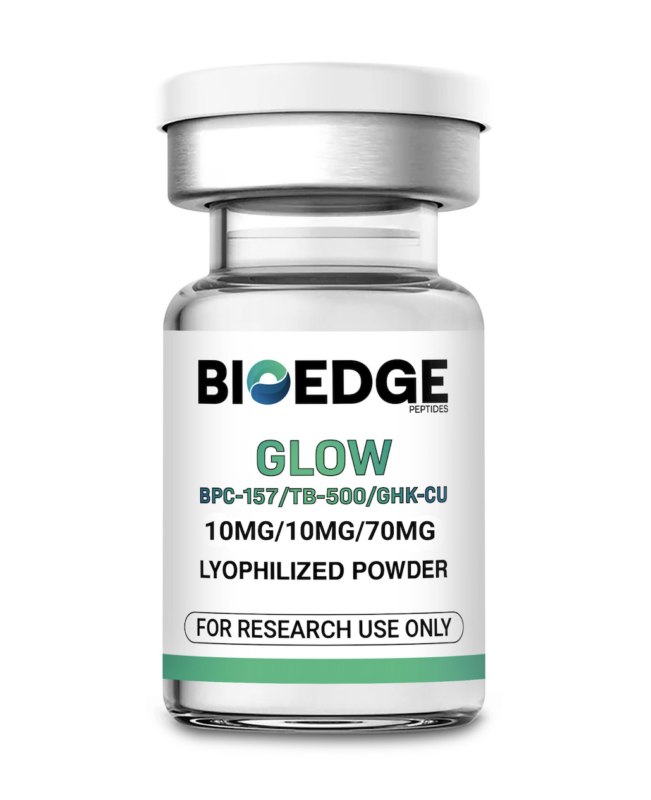
What Is GHK-Cu?
GHK-Cu is very different from many of the experimental peptides currently trending online.
It is a naturally occurring copper-binding peptide found in human plasma and other biological fluids.
The "Cu" represents copper.
GHK binds copper ions, and the resulting complex has been studied extensively for its potential involvement in skin remodeling and wound repair.
GHK-Cu has attracted particular attention in skincare because research has investigated its relationship with:
Collagen production
Extracellular matrix remodeling
Wound healing
Antioxidant activity
Inflammatory signaling
Skin elasticity
Hair biology
Unlike injectable experimental peptide stacks, copper peptides also have a longer history of use in topical skincare products.
How GLOW Is Supposed to Work
Think about tissue repair as a construction project.
First, the body needs to respond to damage.
Then cells need to move into the area.
Blood supply needs to support the tissue.
Collagen and extracellular matrix need to be remodeled.
The theory behind GLOW is that its three components influence different parts of this process.
BPC-157 is being investigated for tissue and vascular signaling.
TB-500 is associated with cellular movement and tissue remodeling.
GHK-Cu is associated with collagen, extracellular matrix, and skin remodeling.
This is why GLOW has become especially popular within the overlap between longevity and aesthetics.
But once again, there is an important distinction between research on individual biological mechanisms and evidence proving that an injectable three-peptide "GLOW Blend" produces specific anti-aging or healing outcomes in humans.
The blend itself is not an FDA-approved therapy.
3. NAD+: The Longevity Treatment That Isn’t Actually a Peptide
NAD+ is frequently mentioned alongside peptides, but technically it belongs in a different category.
NAD+ — nicotinamide adenine dinucleotide — is a coenzyme, not a peptide.
And it is already inside virtually every cell in your body.
NAD+ is essential to cellular metabolism.
More than 400 enzymes require NAD to perform reactions in the human body.
One of its most important jobs involves converting energy from carbohydrates, fats, and proteins into forms cells can use.
In simple terms, NAD+ helps cells turn the fuel you consume into usable cellular energy.
NAD+ and Cellular Energy
Your cells generate much of their usable energy through mitochondria.
NAD+ acts as an electron carrier during metabolic reactions involved in energy production.
Think of it as part of the transportation system moving energy through the cellular machinery.
Without adequate NAD metabolism, many fundamental biological processes would not function properly.
But energy production isn’t the only reason NAD+ has become a longevity buzzword.
NAD+, DNA Repair, and Aging
NAD+ is also required by several classes of enzymes involved in cellular maintenance.
That includes sirtuins, proteins involved in metabolic regulation and cellular stress responses, as well as PARPs, enzymes involved in DNA repair.
This relationship has made NAD metabolism a major area of aging research. A scientific review available through the National Institutes of Health explores the relationship between NAD metabolism, cellular senescence, DNA repair, and aging.
NAD levels can decline with age in certain tissues, leading researchers to investigate whether maintaining or increasing NAD availability could influence aspects of age-related biology.
That research has helped create an enormous consumer market around NAD+.
Today, longevity clinics may offer NAD+ intravenously, while supplement companies sell NAD precursors such as nicotinamide riboside and nicotinamide mononucleotide.
But the marketing has moved faster than some of the clinical evidence.
The fact that NAD+ is essential to cellular biology does not automatically mean that receiving an NAD+ IV will increase lifespan, reverse aging, or dramatically improve energy.
Those are much larger claims that require stronger clinical evidence.
Still, NAD biology remains one of the most interesting areas of longevity research.

4. Retatrutide: The "Triple G" Weight-Loss Drug
Retatrutide may be the most important compound on this list to watch.
Developed by Eli Lilly, retatrutide is an investigational once-weekly medication being studied for obesity and several related metabolic conditions.
Unlike the experimental recovery blends above, retatrutide has progressed through large clinical development programs.
Its biggest differentiator is that it activates three hormone receptors:
GLP-1
GIP
Glucagon
That’s why it is sometimes nicknamed the "Triple G."
How Retatrutide Works
To understand retatrutide, think of weight regulation as involving multiple metabolic control systems.
GLP-1
GLP-1 signaling influences appetite, food intake, glucose regulation, and digestion.
Activating GLP-1 receptors can make people feel fuller and reduce caloric intake.
GIP
GIP is another incretin hormone involved in insulin secretion and energy metabolism.
Combining GIP and GLP-1 activity is already the basic strategy behind tirzepatide.
Glucagon
This is where retatrutide becomes different.
Glucagon plays a major role in energy metabolism and can influence energy expenditure and fat metabolism.
Retatrutide combines all three activities into one molecule.
The theory is that reducing energy intake through GLP-1 and GIP-related pathways while also influencing energy expenditure through glucagon receptor activity could create an especially powerful metabolic effect.
And the clinical results have attracted enormous attention.
In May 2026, Eli Lilly announced Phase 3 results from the TRIUMPH-1 trial showing that participants receiving 12 mg retatrutide lost an average of 28.3% of their body weight over 80 weeks.
Among participants with a starting BMI of at least 35 who continued in an extension, average weight loss reached approximately 30.3% at 104 weeks.
Those numbers put retatrutide into territory historically associated with bariatric surgery.
However, retatrutide remains investigational and is not yet FDA-approved for general public use.
Lilly has specifically warned consumers against products being sold online claiming to contain retatrutide outside authorized clinical research.
5. Tirzepatide: The Dual-Agonist That Changed Weight Loss
Tirzepatide is further along.
Developed by Eli Lilly, tirzepatide is the active ingredient in:
Mounjaro — approved for type 2 diabetes.
Zepbound — approved for chronic weight management in eligible patients and certain other indications.
The FDA’s approval of Zepbound marked another major milestone for tirzepatide and the rapidly growing class of medications that target metabolic hormone pathways.
Tirzepatide activates two receptors:
GIP + GLP-1
That’s the easiest way to understand the difference between tirzepatide and retatrutide.
Tirzepatide = two targets
Retatrutide = three targets
How Tirzepatide Works
GLP-1 helps regulate appetite and caloric intake.
GIP also participates in metabolic signaling and insulin secretion.
Tirzepatide activates receptors for both.
The medication decreases calorie intake, with its effects on body weight believed to be mediated substantially through appetite regulation.
It also stimulates insulin secretion in a glucose-dependent manner and reduces glucagon secretion.
That combination can improve blood-glucose control while producing significant reductions in body weight.
Tirzepatide’s success has been one of the biggest developments in modern metabolic medicine and helped establish the idea that targeting multiple hormone receptors simultaneously could outperform older single-target approaches.
Retatrutide essentially pushes that concept one step further.
Tirzepatide vs. Retatrutide: What’s the Difference?
This is probably the most important comparison for consumers.
Tirzepatide targets GIP + GLP-1.
Retatrutide targets GIP + GLP-1 + glucagon.
Tirzepatide is already FDA-approved for specific indications.
Retatrutide remains investigational as of August 2026.
Both influence appetite and metabolic signaling, but retatrutide’s additional glucagon receptor activity is designed to add another metabolic pathway.
Early and Phase 3 retatrutide results have been striking, but that does not mean consumers should purchase products marketed as retatrutide online before regulatory approval.
Clinical-trial medication and unregulated products sold online are not equivalent.
Why Everyone Is Talking About Peptides in 2026
The bigger story isn’t any individual compound.
It’s the shift toward biologically targeted wellness.
For years, wellness largely revolved around supplements, exercise, nutrition, and lifestyle.
Now consumers are increasingly interested in interventions that interact with specific biological pathways.
GLP-1 medications influence appetite signaling.
Peptides are being investigated for tissue signaling.
NAD research focuses on cellular metabolism.
Wearables measure sleep and recovery.
Blood-testing platforms monitor biomarkers.
Continuous glucose monitors provide real-time metabolic feedback.
As Vital Report has covered in its reporting on the Throne biomarker toilet device, consumers increasingly want to measure their bodies continuously and make personalized decisions based on that information.
Peptides are becoming another piece of that larger personalized-health movement.
The FDA Question Matters
This may be the most important section of the entire peptide conversation.
Not every product described as a peptide therapy has undergone FDA review for safety and effectiveness.
BPC-157 and TB-500, for example, have attracted enormous consumer interest despite major gaps in human clinical evidence.
In July 2026, the FDA’s Pharmacy Compounding Advisory Committee considered BPC-157 and TB-500, among other substances, for potential inclusion on the 503A Bulks List.
The committee’s recommendations have generated significant attention, but an advisory committee recommendation does not mean these compounds suddenly became FDA-approved drugs.
That distinction matters enormously.
Increased access is not the same thing as demonstrated safety or effectiveness.
The Future of Peptide Therapy
Peptides could ultimately become one of the most important areas of modern medicine.
In many ways, they already are.
Insulin transformed diabetes treatment.
GLP-1 medications transformed obesity medicine.
Tirzepatide demonstrated the potential of targeting multiple metabolic pathways simultaneously.
Retatrutide could push that concept even further.
At the same time, experimental compounds like BPC-157 and TB-500 demonstrate both the excitement and danger surrounding the current peptide boom.
Consumer interest can move much faster than clinical science.
The companies and healthcare platforms that succeed in this space will therefore need to do more than capitalize on hype.
They will need to distinguish between what is biologically plausible, what has been demonstrated in animals, what has been demonstrated in humans, and what has actually been proven safe and effective through rigorous clinical trials.
The Bottom Line
Wolverine, GLOW, NAD+, retatrutide, and tirzepatide may all appear in the same modern longevity conversation, but they are fundamentally different interventions.
Wolverine combines experimental compounds BPC-157 and TB-500 around the idea of tissue recovery.
GLOW generally adds GHK-Cu, bringing collagen and skin remodeling into the equation.
NAD+ supports fundamental cellular metabolism but isn’t technically a peptide.
Tirzepatide is an FDA-approved dual GIP and GLP-1 receptor agonist that has already transformed metabolic medicine.
And retatrutide is Lilly’s investigational triple agonist targeting GIP, GLP-1, and glucagon — potentially representing the next evolution of the category.
Together, they show both sides of the peptide boom.
On one side is legitimate pharmaceutical innovation backed by enormous clinical trials.
On the other is a rapidly growing experimental wellness market where consumer enthusiasm has often moved ahead of human evidence.
Understanding that difference may be the most important thing consumers can do as peptides move further into the mainstream.
Frequently Asked Questions
What is the Wolverine peptide blend?
The Wolverine Blend generally refers to a combination of BPC-157 and TB-500. It is promoted within peptide and biohacking communities for tissue recovery, but the combination is not an FDA-approved therapy and strong human clinical evidence remains limited.
What is in the GLOW peptide blend?
GLOW commonly contains BPC-157, TB-500, and GHK-Cu. GHK-Cu is a copper-binding peptide studied for its relationship with skin, collagen, wound repair, and tissue remodeling.
Is NAD+ a peptide?
No. NAD+ is a coenzyme called nicotinamide adenine dinucleotide. It is essential to cellular energy metabolism and hundreds of enzymatic reactions, but it is frequently grouped with peptide therapies because many longevity clinics offer both.
What is retatrutide?
Retatrutide is Eli Lilly’s investigational once-weekly triple receptor agonist targeting GIP, GLP-1, and glucagon receptors. It remains under clinical investigation and is not currently FDA-approved for general public use.
What is tirzepatide?
Tirzepatide is a dual GIP and GLP-1 receptor agonist developed by Eli Lilly. It is the active ingredient in Mounjaro and Zepbound.
What’s the difference between retatrutide and tirzepatide?
Tirzepatide activates GIP and GLP-1 receptors. Retatrutide activates those same two receptors plus the glucagon receptor. Retatrutide remains investigational, while tirzepatide is already FDA-approved for specific indications.
Are BPC-157 and TB-500 FDA-approved?
No. BPC-157 and TB-500 are not FDA-approved drugs. Despite their popularity online, significant questions remain about their safety, effectiveness, manufacturing quality, and long-term effects in humans.